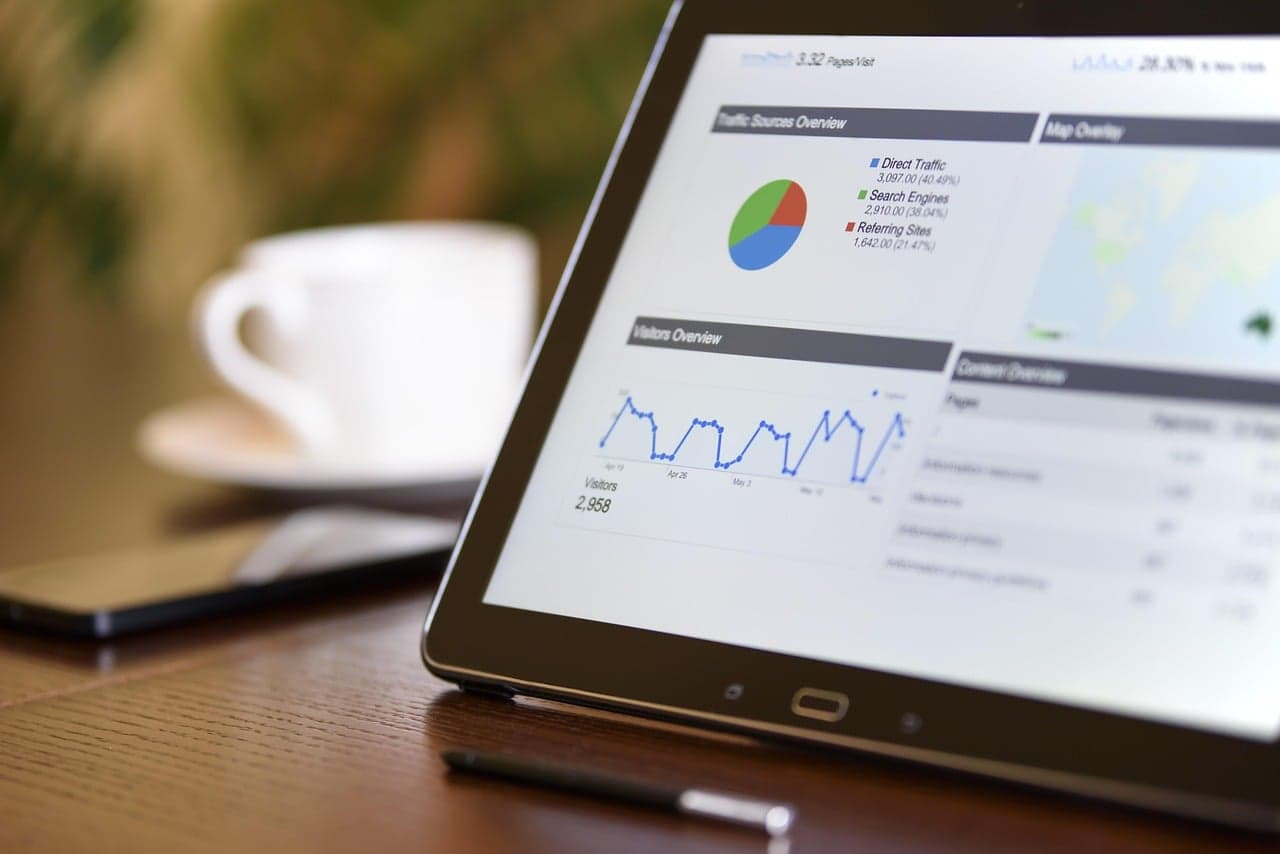
UTM parameters are campaign tracking parameters added to the end of a web link that tell your analytics tool which source, which channel and which campaign a visitor found you through. When you link to the same page in a newsletter, a social media post or an ad, UTM lets you tell which one brought the visitors.
How does UTM work?
A question mark is added to the end of the link, followed by "parameter=value" pairs; the pairs are separated by the & sign. When someone clicks the link, the values are sent to the analytics tool. According to the Google Analytics help page (as of October 2026), these values appear in the traffic acquisition report. The commonly used parameters are:
- utm_source: Where the traffic comes from (e.g. newsletter, instagram)
- utm_medium: The marketing channel (e.g. email, banner)
- utm_campaign: The name of the campaign (e.g. spring_sale)
- utm_content: To tell apart different links in the same campaign
- utm_term: For a paid search keyword
- utm_id: The campaign ID
Google Analytics asks you to always use the first three when adding parameters.
Example
Imagine you link to an event page in your October newsletter:
https://www.example.com/etkinlik?utm_source=bulten&utm_medium=e-posta&utm_campaign=ekim-bulteni
In the report, these visits appear with the source "bulten" (newsletter), the medium "e-posta" (email) and the campaign "ekim-bulteni" (October newsletter). If the same email has two separate buttons, you can give each a different utm_content value and see which one gets more clicks.
What should you watch out for when writing UTM tags?
Values are case-sensitive: "Meta" and "meta" become separate rows in the report. That is why Google recommends using the same naming convention everywhere and using lower case. Set a single source value for each platform and a single medium value for each channel, and write the campaign name the same way everywhere. If you generate links with the UTM builder instead of typing them by hand, you reduce the risk of typos.
Related pages
Frequently asked questions
Do you have to add UTM parameters?
No, the link works without UTM. But if you want to tell which campaign brought visitors, you should add them; when you do, Google Analytics asks you to use utm_source, utm_medium and utm_campaign together.
Is UTM case-sensitive?
Yes. "Meta" and "meta", or two campaign names written differently, appear as separate values in the report; that is why lower case and a single naming convention are recommended.
Where does UTM data appear in Google Analytics?
According to the Google Analytics help page, parameter values appear in the traffic acquisition report.
What is utm_content for?
It is used to tell apart different links in the same campaign. For example, you can give two buttons in an email different utm_content values and see which one gets more clicks.
Which URL builder is used for Android app ads?
Google recommends the Play Campaign URL Builder for Android app ads and the Campaign URL Builder for websites.
Editorial desk
Stories signed by the Cultvia editorial desk follow our editorial policy; every story lists its sources at the end and errors are fixed under our corrections policy.
Last updated:
What changed?
- : First published
Your follow list is kept only on this device; when the page is updated you'll see it in Following.
Get email updates
Sources
- URL oluşturucular: Özel URL'lerle kampanya verileri toplama — Google Analytics Yardım
Up next
 Digital & Social MediaWhat is WhatsApp Business and how do you use it?26 October 2026 · 4 min read