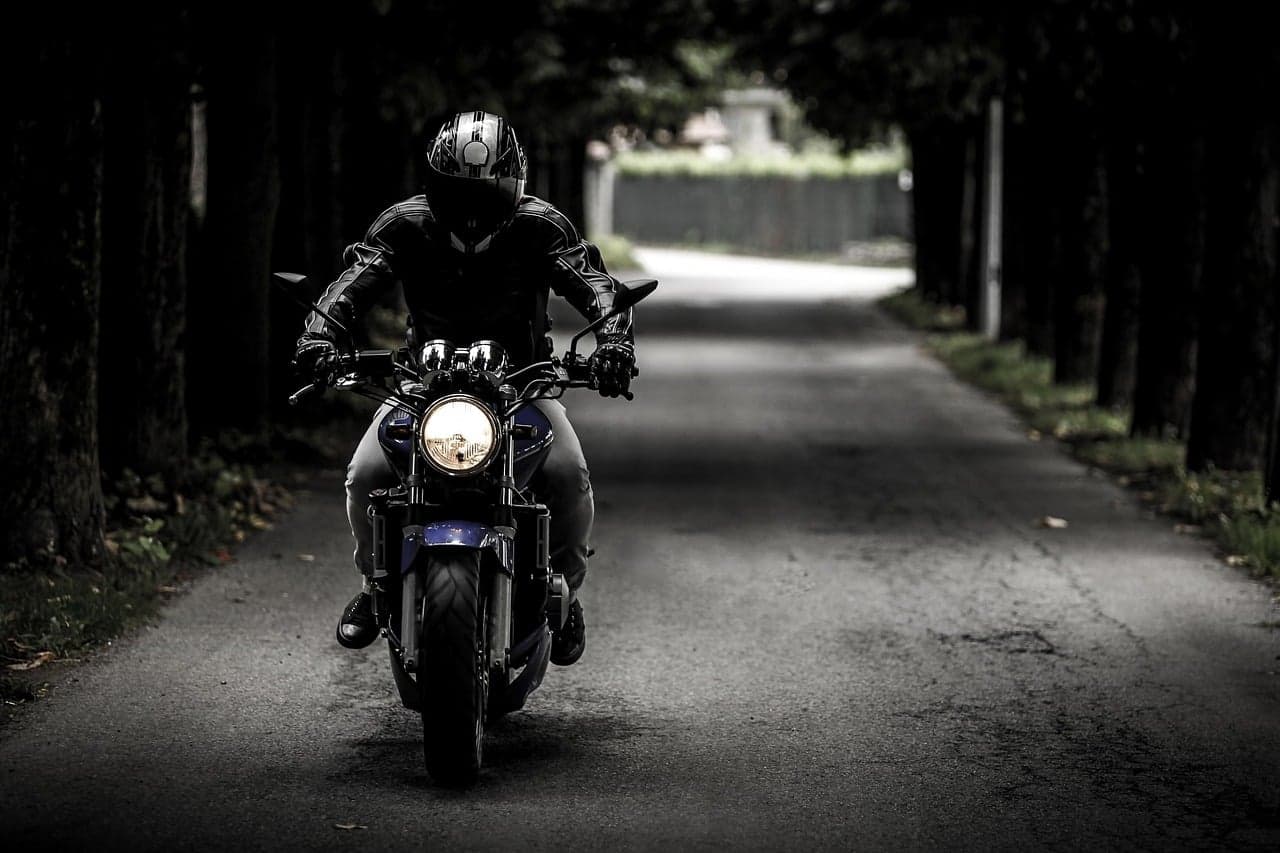
Motorcycle protective gear is thought of from head to toe: a helmet, eye protection, gloves, a jacket and trousers with armour, boots that cover the ankle and reflective clothing for visibility at night. In Türkiye, under the Highway Traffic Regulation (Karayolları Trafik Yönetmeliği), a helmet and protective gloves that meet the standard are compulsory for motorcycle riders and passengers; protective goggles are also required for the rider (not required separately if the helmet has a visor), as is clothing such as a reflective vest on night journeys. The right choice of jacket, trousers and boots protects your skin from abrasion and your joints from impact in a fall.
Which equipment is compulsory under the regulations?
As of October 2026, when this guide was prepared, the rules have been shaped by two amendments to the regulation published in the Official Gazette (Resmî Gazete); as legislation can change, check the current text as well:
- Helmet (protective headgear): Riders and passengers of bicycles, electric bicycles, mopeds and motorcycles must wear a helmet and fasten it. Wearing the helmet is not enough; the chin strap must be fastened.
- Protective goggles: Required for riders; if the helmet has protective goggles (a visor), separate goggles are not required.
- Protective gloves: Under the amendment made in November 2025, motorcycle riders and, if carried, their passengers must wear protective gloves that meet the TS EN 13594 standard and protect the hands against traffic accidents and external factors. Three-wheeled cargo motorcycles and vehicles whose rider and passengers are protected by a frame or bodywork are excluded from this rule.
- Reflective clothing: Under the amendment of August 2022, riders and passengers of bicycles, electric bicycles, electric scooters, mopeds and motorcycles must wear a reflective vest or similar clothing that makes them visible on night journeys.
The same regulation also provides that a vehicle carrying a rider or passengers who are not properly wearing the required protective equipment will not be allowed to continue on the road. We do not include the fine amounts here, as they change from time to time; check the current amounts in official sources.
What should you look for when choosing a helmet?
- Approval label: Look for the approval label inside the helmet or on the chin strap. For example, the UK government's page lists UNECE Regulation 22.05 and 22.06 among the accepted standards for helmets used on the road; there is a similar approval requirement for visors and goggles.
- Size: The helmet should fit snugly around your head without squeezing; with the chin strap fastened, it should not slip on your head when you try to turn it by hand.
- Type: A full-face helmet also protects the chin. If you use an open-face helmet, you need a visor or separate protective goggles for eye protection.
- History: The inner foam of a helmet that has taken a knock or been dropped may have been crushed in a way you cannot see; take this risk into account when buying a second-hand helmet.
- Visibility: A light or brightly coloured helmet makes it easier for other drivers to notice you.
What do the EN 17092 classes mean for jackets and trousers?
In Europe, motorcycle protective clothing is classified under the EN 17092 standard. According to the testing organisation SATRA, the standard covers jackets, trousers and one- or two-piece suits and defines five classes:
- AAA and AA: Elbow, shoulder, knee and hip protectors are compulsory.
- A: Has elbow, shoulder and knee protectors; the hip protector is optional.
- B: Provides the same abrasion resistance as class A but has no impact protectors.
- C: Provides impact protection only in the area covered by the protector; it does not protect against abrasion and is designed to be worn together with garments of the other classes.
The protectors in the garment should meet the EN 1621 standard and sit correctly over the joint they protect. When trying it on, take up your riding position on the motorcycle; check that the protectors do not slide off your elbows and knees.
What should you look for when choosing gloves and boots?
- The regulations require gloves that meet the TS EN 13594 standard; look for the name of this standard (EN 13594) on the glove's label.
- The glove should let you grip the brake and clutch levers comfortably without leaving your fingers loose; the cuff should overlap with the sleeve of your jacket.
- Boots should cover the ankle, have a stiff, non-slip sole and have laces that are covered so they cannot catch on the chain or footrest.
What should you do to be visible at night and in bad weather?
On night journeys, a reflective vest or clothing with reflective strips is a legal requirement. During the day too, a light-coloured helmet and clothing increase the chance of other drivers noticing you at junctions. In the rain, make sure your visor is clean, so that it does not fog up and is free of scratches.
As well as equipment, maintaining your motorcycle is part of safety; for chain maintenance and other topics, see the Motorcycles page, and for all guides, the Guides page.
Frequently asked questions
Are gloves compulsory on a motorcycle?
Yes. Under the amendment published in the Official Gazette in November 2025, motorcycle riders and, if carried, their passengers must wear protective gloves meeting the TS EN 13594 standard. Three-wheeled cargo motorcycles and vehicles whose rider and passengers are protected by a frame or bodywork are excluded.
Does a motorcycle passenger also need to wear a helmet?
Yes. The Highway Traffic Regulation requires passengers as well as riders to wear and fasten protective headgear.
Do you need to wear goggles as well with a visor helmet?
No. The regulation requires riders to wear protective goggles, but if the helmet has protective goggles, that is a visor, separate goggles are not required.
Is a reflective vest compulsory on a motorcycle?
On night journeys, yes. Under the August 2022 amendment, motorcycle riders and passengers must wear a reflective vest or similar clothing that makes them visible at night.
What do the EN 17092 classes mean?
Motorcycle clothing is classified as AAA, AA, A, B and C. In classes AAA and AA, elbow, shoulder, knee and hip protectors are compulsory, and in class A the hip protector is optional; class B has no protectors but is abrasion-resistant, and class C is a supplementary garment containing only impact protectors.
How can you tell whether a helmet is approved?
There is an approval label inside the helmet or on the chin strap. For example, the UK government lists UNECE Regulation 22.05 and 22.06 approval among the accepted standards for helmets used on the road.
Editorial desk
Stories signed by the Cultvia editorial desk follow our editorial policy; every story lists its sources at the end and errors are fixed under our corrections policy.
Last updated:
What changed?
- : First published
Your follow list is kept only on this device; when the page is updated you'll see it in Following.
Get email updates
Sources
- Karayolları Trafik Yönetmeliğinde Değişiklik Yapılmasına Dair Yönetmelik (4 Kasım 2025, Sayı 33067) — Resmî Gazete
- Karayolları Trafik Yönetmeliğinde Değişiklik Yapılmasına Dair Yönetmelik (16 Ağustos 2022, Sayı 31925) — Resmî Gazete
- Motorcycle helmets and safety equipment — GOV.UK
- EN 17092:2020 Parts 1-6 – Protective clothing for motorcycle riders — SATRA Technology
Up next
 MotorcyclesHow do you look after a motorcycle chain?26 October 2026 · 4 min read