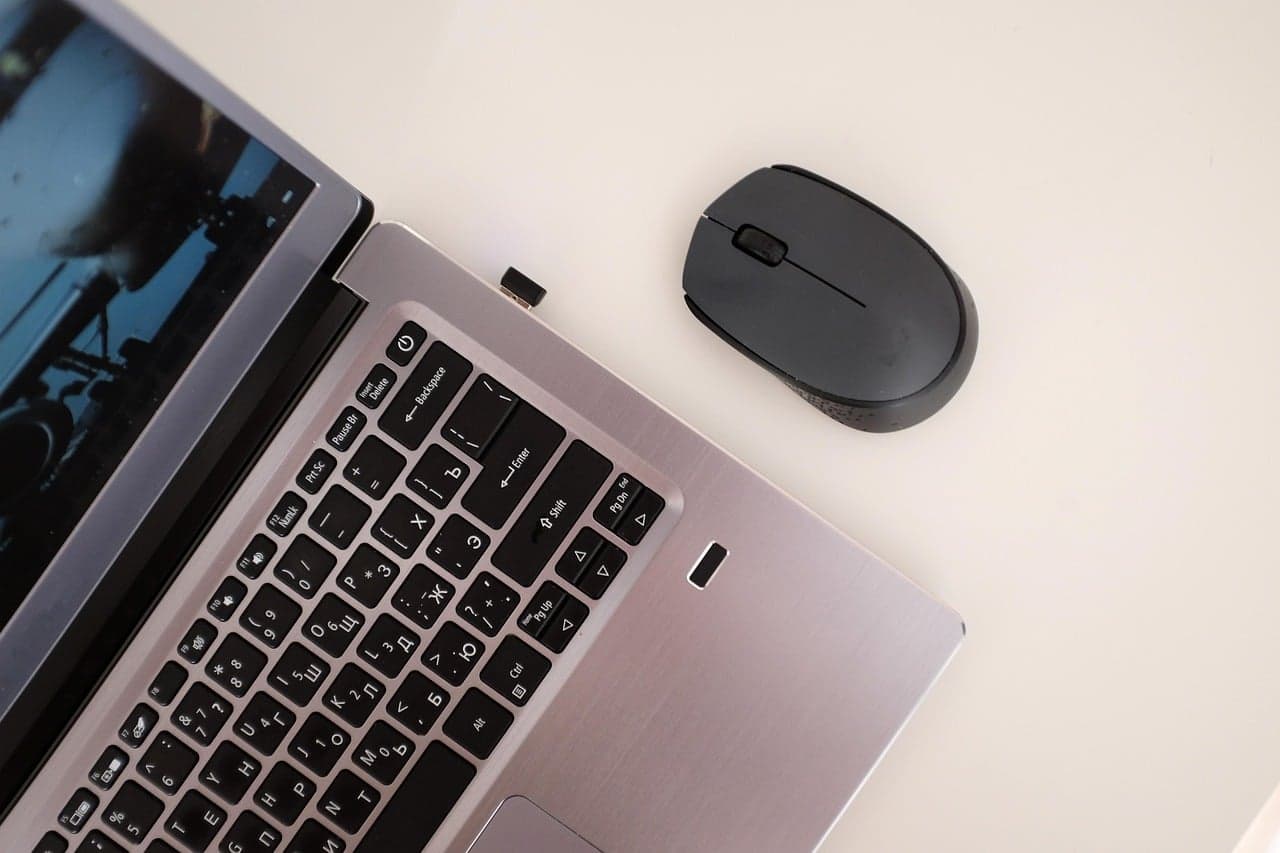
When buying a laptop, first be clear about what you will use it for, then compare the processor, memory, storage, screen and battery against that need. When you buy, getting the warranty certificate and the Turkish-language product guide and user manual along with the invoice is the precondition for being able to use your rights if a fault appears later. The information below is for general guidance; in a specific dispute, consult the consumer arbitration committee (tüketici hakem heyeti) or a lawyer.
What are the three most important things to watch?
- Hardware that matches your needs. For office work, browsing and watching videos, a mid-range processor and enough memory are usually sufficient. Photo and video editing, software development or gaming need a more powerful processor, more memory and a dedicated graphics card. For storage, an SSD makes start-up and programs noticeably faster than a traditional hard disk. If you will carry it often, weight and battery life matter most; if you will work at a desk for long hours, screen size and keyboard comfort come to the fore.
- Get a complete warranty certificate. Under the Regulation on Warranty Certificates (Garanti Belgesi Yönetmeliği), computers must be sold with a warranty certificate, and the warranty period starts on the date the product is delivered to you. The invoice issued for the product does not replace the warranty certificate. The certificate can be given on paper or on a durable medium, for example by email; if you ask for it on paper, it must be given on paper.
- Turkish manual and interface. In Türkiye, under the Regulation on Product Guides and User Manuals (Tanıtma ve Kullanma Kılavuzu Yönetmeliği), goods are sold with a Turkish-language product guide and user manual, and the written, spoken and visual wording in the product's user interface must be in Turkish. The manual also includes the contact details of authorised service centres and the product's useful life.
Checklist
- Have you written down what you will use it for (office, school, design, gaming, software)?
- Has the processor's generation and model been compared with other devices in the same price range?
- Have you found out the amount of memory and whether it can be upgraded later?
- Is the storage an SSD, and is its capacity enough for your needs?
- Have you seen the screen's size, resolution and brightness in person?
- Have you checked the keyboard layout (Turkish Q or F) and the Turkish characters?
- Have you found out the battery life and the power rating of the charger?
- Does it have the ports you need (USB, HDMI, card reader, headphone jack)?
- Do the device's weight and thickness suit the way you carry things?
- Is the operating system installed with a licence?
- Have you received the invoice, the warranty certificate and the Turkish manual?
- Do the box and serial number match the details on the warranty certificate?
What should you ask the seller?
- Who issues the warranty certificate: the manufacturer or the importer?
- When does the warranty period start, and how will the certificate be given to me?
- Where are the device's authorised service centres, and which is the nearest one?
- Can the memory and storage be upgraded later, and does an upgrade affect the warranty?
- Are the operating system and programs installed on the device licensed?
- Which accessories come in the box; are the charger and cable included?
- Is it a display or refurbished unit, or is it being sold for the first time?
- If there is a fault, who pays for sending it to the service centre?
What are the red flags?
- An offer to sell without an invoice, or reluctance to hand over the warranty certificate.
- The manufacturer's or importer's name, the serial number or the delivery date left blank on the warranty certificate.
- A box that has been opened, a serial number that has been erased, or a serial number on the box that differs from the one on the device.
- A price clearly lower than for similar devices, and "stock is running out" pressure.
- A seller on a social media account who asks for payment up front and will not give an address or tax details.
- Devices with no Turkish manual, or whose interface cannot be used in Turkish.
- Statements such as "the warranty is valid abroad" that do not point to an authorised service centre in Türkiye.
What affects the price?
As of October 2026, the main factors that determine a laptop's price are the following; comparing these factors rather than the amount leads to a sounder decision:
- The processor's generation and performance class
- The amount and speed of memory
- SSD capacity
- The screen's resolution, panel type and refresh rate
- Whether there is a dedicated graphics card
- Body material, weight and battery capacity
- Whether a licensed operating system and software are included
- Exchange rate movements, sale periods and model year
- Whether it is a display, refurbished or second-hand unit
What are my rights?
The Regulation on Warranty Certificates gives a consumer who buys a laptop the following protections:
- Minimum warranty period: The warranty period starts on the date of delivery and is at least two years. If the device breaks down, the time spent under repair is added to the warranty period.
- Free repair: When you ask for free repair, the seller cannot charge you for labour, parts or under any other name. You can also use this right against the manufacturer or importer.
- Replacement and refund: If, after you have used your right to free repair, the device breaks down again within the warranty period, the maximum repair time is exceeded, or a report establishes that repair is not possible, you can ask for a refund of the price, a discount in proportion to the defect, or, where possible, replacement with a defect-free equivalent. The seller cannot refuse this request.
- Claims of user error: If it is claimed that the fault was caused by user error, this must be established by a report and a copy of the report must be given to you. To challenge the report, you can apply to the consumer arbitration committee or the consumer court, depending on the value of the dispute.
The Regulation on Product Guides and User Manuals, for its part, says that giving the manual to the consumer and proving it was handed over are the seller's responsibility. If the manual was given only in digital form, it must also be given on paper free of charge when you ask for it.
Related pages
- Shopping & Consumer Rights: warranty, returns and complaint routes
- Glossary: short definitions of consumer law terms
- Guides: all areas
Frequently asked questions
How long is a laptop's warranty period?
Under the Regulation on Warranty Certificates (Garanti Belgesi Yönetmeliği), the warranty period for computers is at least two years and starts on the date the device is delivered to you. If the device breaks down and goes in for repair, the time spent under repair is added to the warranty period.
Does the invoice replace the warranty certificate?
No. The regulation states clearly that the invoice issued for the goods sold does not replace the warranty certificate. The warranty certificate can be given on paper or on a durable medium such as email; if you ask for it on paper, it must be given on paper.
What can I do if a laptop under warranty keeps breaking down?
If, after you have used your right to free repair, the device breaks down again within the warranty period, the repair exceeds the maximum time, or a report establishes that repair is not possible, you can ask for a refund of the price, a discount in proportion to the defect or, where possible, replacement with a defect-free equivalent. The seller cannot refuse this request.
What happens if the service centre says the fault is user error?
Whether it is user error must be established by a report issued by the authorised service centre or, if there is none, by the seller, importer or manufacturer, and a copy of the report must be given to you. To challenge the report, you can apply to the consumer arbitration committee or the consumer court, depending on the value of the dispute.
Is RAM or SSD more important when buying a laptop?
The two meet different needs. An SSD speeds up start-up and the loading of programs; memory determines how smoothly things run when you work with many tabs and programs at once. The soundest approach is to write down what you will use it for, weigh the two together, and also ask whether the memory can be upgraded later.
Is a Turkish user manual compulsory?
Yes. Under the Regulation on Product Guides and User Manuals (Tanıtma ve Kullanma Kılavuzu Yönetmeliği), goods are sold with a Turkish manual, and it is the seller's responsibility to prove that the manual was given and handed over. If the manual was given digitally, it must also be given on paper free of charge when you ask for it.
Editorial desk
Stories signed by the Cultvia editorial desk follow our editorial policy; every story lists its sources at the end and errors are fixed under our corrections policy.
Last updated:
What changed?
- : First published
Your follow list is kept only on this device; when the page is updated you'll see it in Following.
Get email updates
Sources
- Garanti Belgesi Yönetmeliği — Mevzuat Bilgi Sistemi
- Tanıtma ve Kullanma Kılavuzu Yönetmeliği — Mevzuat Bilgi Sistemi
Up next
 Shopping & Consumer RightsHow do you claim EU flight delay compensation step by step?2 November 2026 · 3 min read