Your first task in Afyonkarahisar is to climb to Karahisar Castle on the volcanic rock that rises more than two hundred metres from the middle of the city; the Grand Mosque with its forty wooden pillars and the Sultan Divani Mevlevi Lodge at its foot are in the same neighbourhood. The next day, see the rock monuments of Aslantaş, Yılantaş and Ayazini in the Phrygian Valley to the north. In the evenings, thermal-water hamams await you, and at the table kaymak, sucuk and poppy-seed pastries.
What should first-time visitors see in the city?
Karahisar Castle
The castle that gives the city its name stands on a volcanic crag about two hundred and twenty-six metres high, rising from the middle of the urban conservation area. Its history goes back to around 1350 BC; at the summit are Phrygian-era places of worship dedicated to the Mother Goddess Cybele and four large cisterns. In the Anatolian Seljuk period the walls were repaired and a small mosque and a palace were added. The climb takes time; go in the cooler hours, take water and enjoy the city view from the top.
The castle's wishing traditions
The castle is not only a viewpoint but also a place for making wishes. People hoping to marry call out from the maiden's tower part of the castle, "bahtım bahtım, altın tahtım, evlenecek vaktim" (my fortune, my golden throne, my time to marry). It is also said that whoever climbs the castle will stay in Afyonkarahisar for seven years; listen to this tale with a smile and climb anyway.
The Grand Mosque
Built under the Anatolian Seljuks between 1272 and 1277, the mosque is also called the Kırk Direkli Cami (Forty-Pillared Mosque) because it rises on forty wooden columns and capitals arranged in five rows. It is one of the rare buildings where you can see thirteenth-century woodwork and timber-and-brick architecture close to their original state. Inside, do not forget to look at the ceiling and the column capitals.
The Sultan Divani Mevlevi Lodge
The lodge, whose foundation goes back to the thirteenth century, is one of the most important Mevlevi centres in Anatolia after Konya. It flourished in the sixteenth century in the time of Sultan Divani, a seventh-generation descendant of Mevlânâ. The dervishes' retreat cells and the tomb are the most impressive parts of a visit; the aşure tradition with forty recitations of the Qur'an, which first began here, still continues.
Afyonkarahisar Archaeological Museum
Finds from the Early Bronze Age through the Hittite, Phrygian, Lydian, Roman and Byzantine periods are displayed in chronological order. The statues, sarcophagi and gravestones that tell of the region's marble tradition are the museum's strongest side, and the open-air display in the garden has Roman and Byzantine stelae too. Check current hours and prices on the museum's official page.
The Egg and Arts Centre
This centre, inside the Hattat Ahmet Karahisari Culture and Arts Centre, is Türkiye's first centre devoted to eggs and egg art. Works by eggshell-carving artists and egg samples collected from two hundred and forty different animal breeds are displayed together. Its opening in one of Türkiye's important egg-producing areas ties it to the city's character.
Which rock monuments can you see in the Phrygian Valley?
A large part of Mountainous Phrygia lies within Afyonkarahisar. With its rock monuments, open-air sanctuaries, rock settlements and fairy chimneys, the region was added to the UNESCO World Heritage Tentative List in 2015.
Aslantaş, Yılantaş and Maltaş
These monuments in the İhsaniye district, around the Köhnüş Valley and Döğer, are the most striking examples of Phrygian rock art. At Aslantaş, giant lion reliefs face each other at the entrance to a rock tomb, and nearby Yılantaş greets you with another monumental rock tomb. The Maltaş and Kapıkaya open-air sanctuaries are on the same route.
Ayazini
The tuff cliffs of Ayazini were carved into a settlement in the early Byzantine period; single-room rock houses, or houses carved one above another, are reached by steps and tunnel passages. The facades of Roman and Byzantine rock tombs bear Medusa heads and lion reliefs. The rock-cut church at the entrance, with an apse and dome, is part of a monastery built in the eleventh century.
The rock settlements of İscehisar
On the İscehisar side of the Phrygian Valley are the Kırkinler and Ağın rock settlements, the Seydiler fairy chimneys and an ancient marble quarry. Choose this side if you are looking for a quiet walk away from the crowds.
Amorium
At Amorium, east of Emirdağ, there are traces of continuous settlement from the Phrygian period to the Ottomans; the city is studied in two parts, the upper and lower city. Aesop, the pioneer of the fable, is thought to have lived here. It is far from the city, so set aside a separate half-day.
The Phrygian Valley by balloon
Balloon tours starting in the early morning let you see the valley's rock monuments and Lake Emre from above. As the activity depends on the weather, leave some flexibility in your plan.
Why are the thermal hamams on the route?
Afyonkarahisar is one of the first places that comes to mind for thermal water in Türkiye. Marble-decorated Turkish baths fed by thermal water and mud baths are part of the city's everyday culture. After a long valley walk, an hour in the hamam with a scrub and foam massage is the local way to round off the day.
What is on Afyon's table?
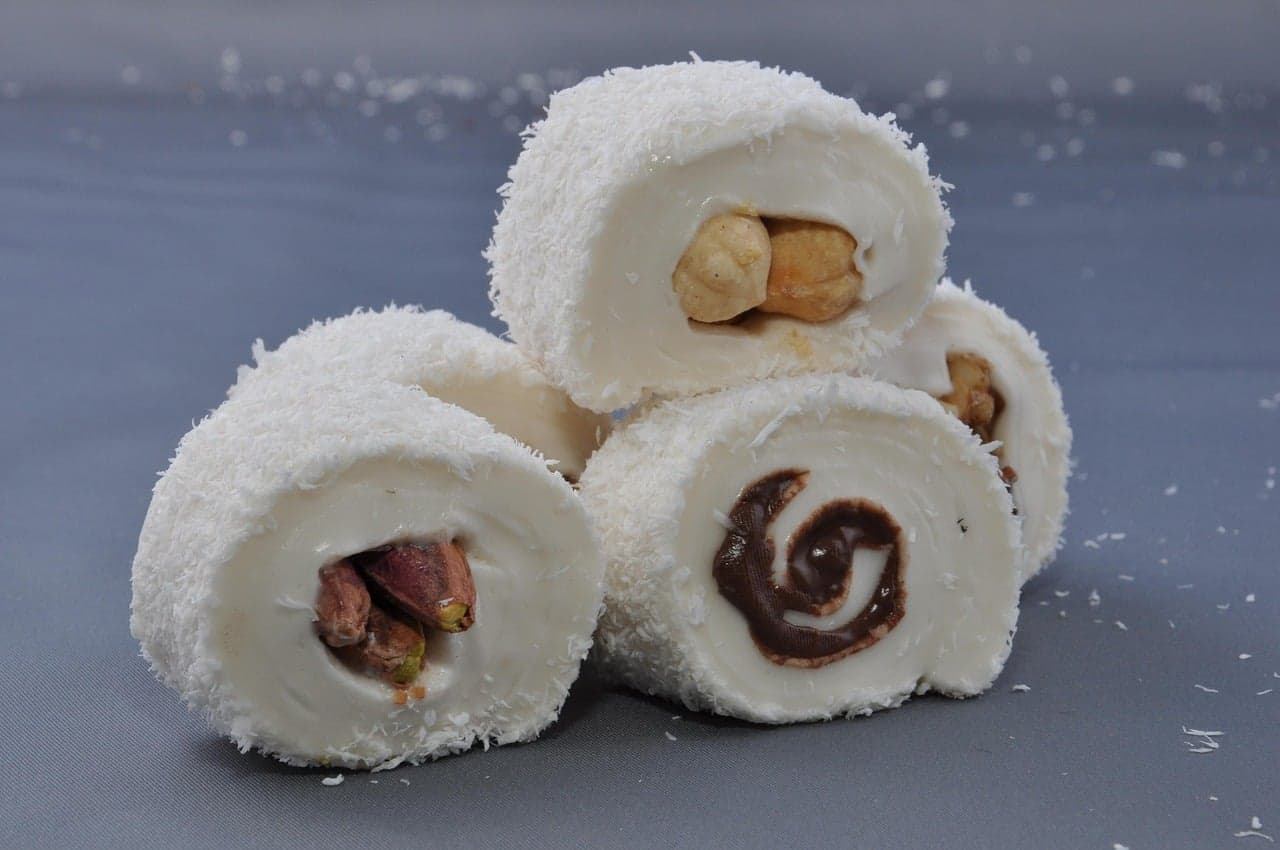
Afyonkarahisar joined the UNESCO Creative Cities Network for gastronomy in 2019. Kaymak, clotted cream made from buffalo milk, appears at breakfast, on ekmek kadayıfı and in kaymaklı lokum. The poppy is so closely tied to the city that its name comes from the plant; poppy-seed pide, bükme, ağzıaçık and katmer are the best-known pastries. Also try Afyon kebab, served with diced meat and yoghurt on kebab pide, the sucuk with geographical indication status and sourdough potato village bread. More than twenty aubergine dishes are made in the region, and aubergine börek is unique to Afyonkarahisar. The "sıra yemeği" tradition of old Afyon, in which dishes were brought in turn to large tables seating fifteen or twenty people at friendship gatherings called gezek and at weddings, shows the social side of the cuisine. Sultandağı cherries and Çay sour cherries, both with geographical indication status, come to the table from the province's orchards.
How many days do you need in Afyonkarahisar?
Two days is ideal. A sample route:
- Day one: Karahisar Castle in the morning, the Grand Mosque and the Sultan Divani Mevlevi Lodge at midday; the Archaeological Museum in the afternoon and a thermal hamam in the evening.
- Day two: An optional balloon tour at sunrise, then Ayazini, Aslantaş and Yılantaş; the Seydiler fairy chimneys in İscehisar on the way back.
- If you have time, a third day for Amorium and the Bolvadin City Museum.
For other cities in Central Anatolia, see the City Routes page.
When should you go, and how do you get there?
Spring and autumn are the most comfortable seasons for walks in the Phrygian Valley and the castle climb; winters are cold, but that is a good excuse for the thermal hamams. Afyonkarahisar sits at an important junction of the road and rail networks and is easy to reach by road or train from the directions of Ankara, İzmir and Antalya. The monuments in the Phrygian Valley are spread out, so a car or a tour is the most practical option.
What should you keep in mind?
- The castle stairs are long and shadeless; do not climb at midday in summer.
- In the Phrygian Valley, do not climb the rock monuments or touch the reliefs, and do not leave the marked paths.
- Visit the Mevlevi lodge and mosques outside prayer times and in suitable clothing.
- Check current hours and ticket prices for museums and archaeological sites on their official pages.
Frequently asked questions
How many days do you need in Afyonkarahisar?
One day for the city centre and one for Ayazini, Aslantaş and Yılantaş in the Phrygian Valley is enough. If you also want to see Amorium and Bolvadin, add a third day.
When is the best time to visit Afyonkarahisar?
Spring and autumn are the best seasons for the castle climb and walks in the Phrygian Valley. Winter is cold, but the thermal hamams make that season enjoyable too.
How do you get to Afyonkarahisar?
The city sits at an important junction of the road and rail networks and is easy to reach by road or train from the directions of Ankara, İzmir and Antalya. For the Phrygian Valley, a car or a tour is practical.
What can you see in the Phrygian Valley?
The Aslantaş, Yılantaş and Maltaş rock monuments in İhsaniye, the rock houses, rock tombs and rock-cut church of Ayazini, and the Kırkinler and Ağın rock settlements and Seydiler fairy chimneys in İscehisar stand out.
What should you eat in Afyonkarahisar?
Kaymak made from buffalo milk, ekmek kadayıfı, Afyon kebab, sucuk, potato village bread, poppy-seed bükme, ağzıaçık and katmer. Try the local aubergine börek too.
Editorial desk
Stories signed by the Cultvia editorial desk follow our editorial policy; every story lists its sources at the end and errors are fixed under our corrections policy.
Last updated:
What changed?
- : First published
Sources
- Afyonkarahisar'da Görülecek Yerler — Go Türkiye (Türkiye Turizm Tanıtım ve Geliştirme Ajansı)
- Afyonkarahisar Lezzetleri — Go Türkiye (Türkiye Turizm Tanıtım ve Geliştirme Ajansı)
- Afyonkarahisar Yemek Kültürü — T.C. Afyonkarahisar Belediyesi
- Termal ve Sağlık Turizmi — T.C. Afyonkarahisar Belediyesi
Up next
 City RoutesParis Photo 2026: opening hours, sectors and what to see13 November 2026 · 1 min read


