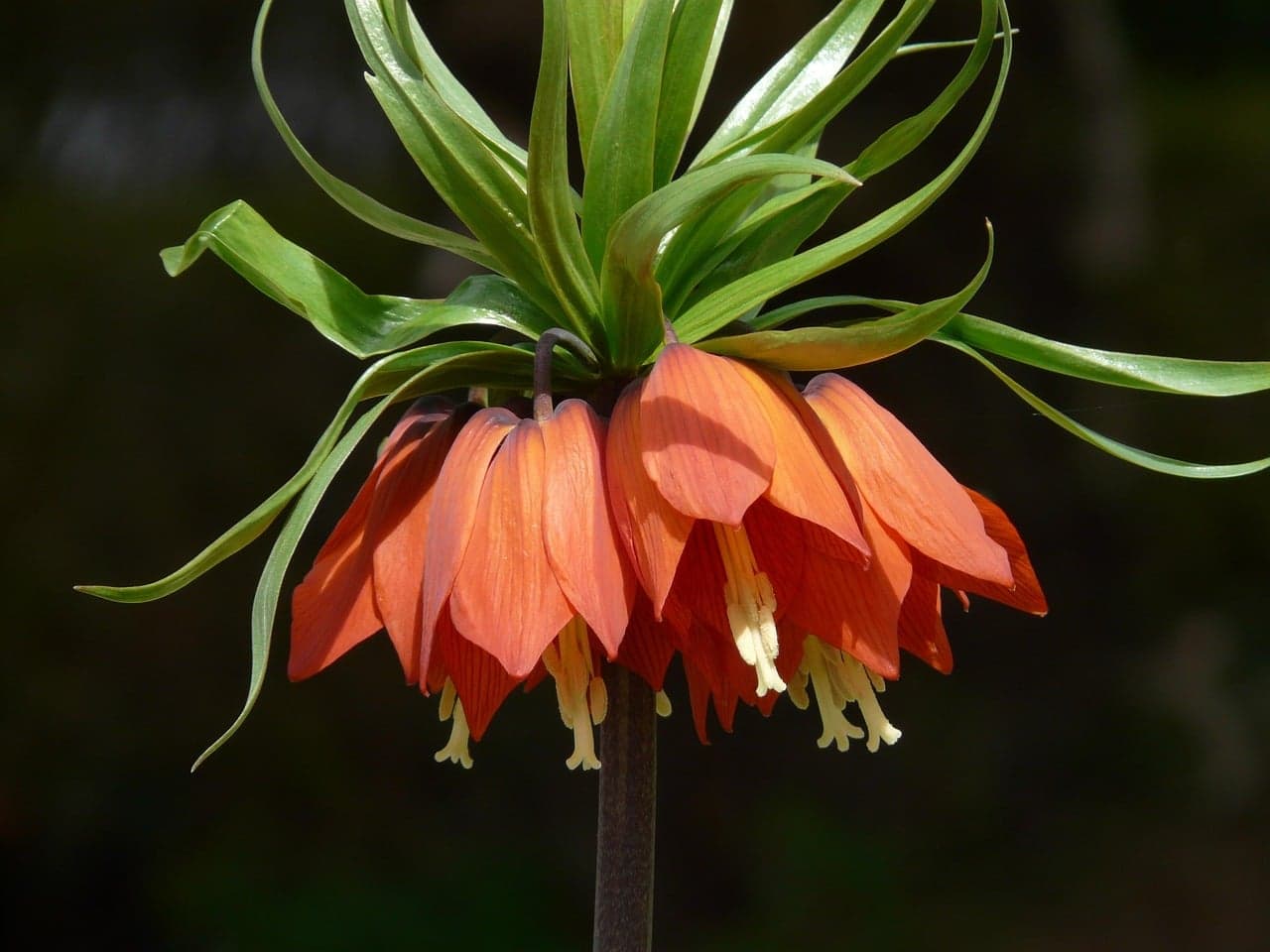
Bingöl's best-known sight is the Floating Islands, drifting like rafts on a crater lake off the road to Solhan. The crown imperial fritillaries that adorn the mountain slopes in spring, the Buban fairy chimneys in Sancak and the Zağ Kaya rock chambers overlooking the Murat river are the province's other surprises. Bingöl is not a busy tourist city; with its highland pastures, its honey and its quiet villages, it suits anyone who wants to enjoy nature slowly.
What should first-time visitors see in Bingöl?
Most of Bingöl's highlights are natural wonders, so be ready to leave the city centre and take village roads.
The Floating Islands
The islands are in the Aksakal hamlet of Hazarşah village near Solhan, four and a half kilometres off the Bingöl–Solhan road. This crater lake, surrounded by mountains on three sides, is thought to be more than fifty metres deep; its water is fresh and clear, and its level hardly changes between summer and winter. The three islands in the middle of the lake are independent of one another and can slowly shift position like rafts. On the islands grow stunted ash trees and interlocking grass roots; this web of roots works like a natural raft holding the soil together. Ask local staff or villagers before trying to step onto the islands.
The crown imperial meadows
The crown imperial (Fritillaria imperialis), known locally as "Ağlayan Gelin" (the Weeping Bride), is a rare flower that grows in only a few regions of the world. The drops that gather in the mornings at the tips of its downward-hanging flowers gave it this name. In Bingöl it is seen most densely in the villages of Gökçeli and Topalan near the city and on the Boncukgöze highland pasture in Karlıova. The flowers last only a few weeks in April and May; picking or uprooting this protected species is forbidden, so just take photos.
The Buban fairy chimneys
In the village of Oğuldere in the township of Sancak, fifty kilometres from the city centre, stand pointed rock columns reminiscent of those in Cappadocia. They are thought to have formed as floodwater running down the valley slopes and the wind wore away the tuff rock over centuries. Still little known, they offer exploration without crowds; in the afternoon light the rocks look warmer in colour.
The Zağ Kaya rock shelters
On a steep cliff beside the Murat river, between the villages of Gökçeli and Yenidal, rooms on storeys carved into the rock are reached by steps, also cut into the rock, and a narrow path. They are thought to be of Urartian origin and to have been used in later periods too. They have been damaged over time, so walk carefully and keep away from the edges facing the river.
Where are Bingöl's historic buildings?
The historic buildings are spread across the districts; it is most efficient to put each one on the same day as the nature stops.
The İsfahan Bey Mosque
The mosque is in the Aşağı Çarşı in the city centre. Built of cut stone in the early sixteenth century under the Akkoyunlu, it is the only historic building to survive in the centre. It has been repaired many times, so check the official page before your visit to see whether it is open.
Kiğı: the Balaban Bey Mosque and Kiğı Castle
The Balaban Bey Mosque in Kiğı was built in the early 1400s and is the oldest mosque still standing in Bingöl. The grave of the Akkoyunlu bey who built it is inside, and there is a historic cemetery in its garden. Kiğı Castle, built on a steep slope of the district, is thought to date from the Urartian period; you climb up from the south, and a magnificent valley view opens from the top.
Kral Kızı Castle
The castle stands on a hill two or three kilometres east of the Genç district. Recorded in the sources as "Dara Hini", meaning "Dara's Fountain", it is the subject of different legends saying it was built for a ruler's daughter. The Genç district takes its name from this castle, also known as "Genç Castle".
The mosque of Bağlarpınarı village
This Ottoman-era mosque stands amid a historic cemetery, a fountain and a pool. The inscription on its door bears the date 1809; the cut-stone minbar and mihrab and the column capitals with plant motifs are the real reason to go for anyone interested in stonework.
The monastery of Eskikavak village
The history of the monastery, also known as "the Virgin Mary on High", goes back to the fourteenth century. Its position on sloping ground offers a wide view; look closely at the cross-motif stonework on its walls.
What is on Bingöl's table?
Bingöl's cuisine is based on the products of highland livestock farming; milk, yoghurt, cheese and butter appear in almost every recipe. Bingöl honey, from the province's high, flower-filled mountains, has won an award at an international beekeeping congress. Çobantaşı kavurması, made from the meat of animals grazing on the highland pastures and cooked slowly over a low fire with only salt, butter and water, received geographical indication status in 2017. Sörin, thin sheets of pastry rolled, sliced and served with garlic yoghurt, löl, made with layered dough, keldoş and şor soup made with kurut (dried yoghurt) and ayran soup with pennyroyal are also worth trying. Yedisu beans, the white mulberry molasses of Sivan and the large Guldar tomato are among the local products.
How many days do you need in Bingöl?
Two days is enough. A sample route:
- Day one: The İsfahan Bey Mosque in the morning, then the Floating Islands; in spring, the crown imperials at Gökçeli village in the afternoon and Zağ Kaya nearby.
- Day two: The Buban fairy chimneys in Sancak, then the Balaban Bey Mosque and the castle in Kiğı in the afternoon; Kral Kızı Castle in Genç if you have time left.
For other stops in eastern Anatolia, take a look at the City Routes page.
When should you go, and how do you get there?
If you want to see the crown imperials, aim for late April to mid-May; flowering depends on the snowmelt, so get information from local sources before setting off. June to September is the most comfortable time for the highland pastures and the Floating Islands. Winters are harsh and snowy. Bingöl is reached by road and by air; you need a car to get between the districts and villages.
What should you keep in mind?
- Do not pick the crown imperials or dig up their bulbs; the species is legally protected.
- Avoid risky moves on your own at the Floating Islands and Zağ Kaya, and follow local warnings.
- Village roads are narrow and partly gravel; check road conditions after rain or snow.
- Check the current visiting status of historic buildings and museums on official sources.
Frequently asked questions
How many days do you need in Bingöl?
One day for the Floating Islands, the city centre and Zağ Kaya and another for the Buban fairy chimneys and Kiğı lets you see the province's highlights in two days.
When is the best time to visit Bingöl?
Late April to mid-May is best for the crown imperials, and June to September for the highland pastures and the Floating Islands. Winters are harsh and snowy.
How do you get to Bingöl?
Bingöl is reached by road and by air. The nature stops are spread across districts and villages, so you need a car.
Where are the Floating Islands?
The Floating Islands are on the crater lake in the Aksakal hamlet of Hazarşah village in the Solhan district, four and a half kilometres off the Bingöl–Solhan road.
What should you eat in Bingöl?
Çobantaşı kavurması, sörin, löl, keldoş, şor and ayran soup stand out. Bingöl honey, Yedisu beans and Sivan mulberry molasses are among the local products.
Editorial desk
Stories signed by the Cultvia editorial desk follow our editorial policy; every story lists its sources at the end and errors are fixed under our corrections policy.
Last updated:
What changed?
- : First published
Sources
- Yüzen Ada — T.C. Bingöl Valiliği
- Ters Lale: Bingöl'ün Ağlayan Gelini — T.C. Bingöl Valiliği
- Bingöl'de Görülecek Yerler — Go Türkiye (Türkiye Turizm Tanıtım ve Geliştirme Ajansı)
- Bingöl'ün Lezzetleri — Go Türkiye (Türkiye Turizm Tanıtım ve Geliştirme Ajansı)
Up next
 City RoutesParis Photo 2026: opening hours, sectors and what to see13 November 2026 · 1 min read


