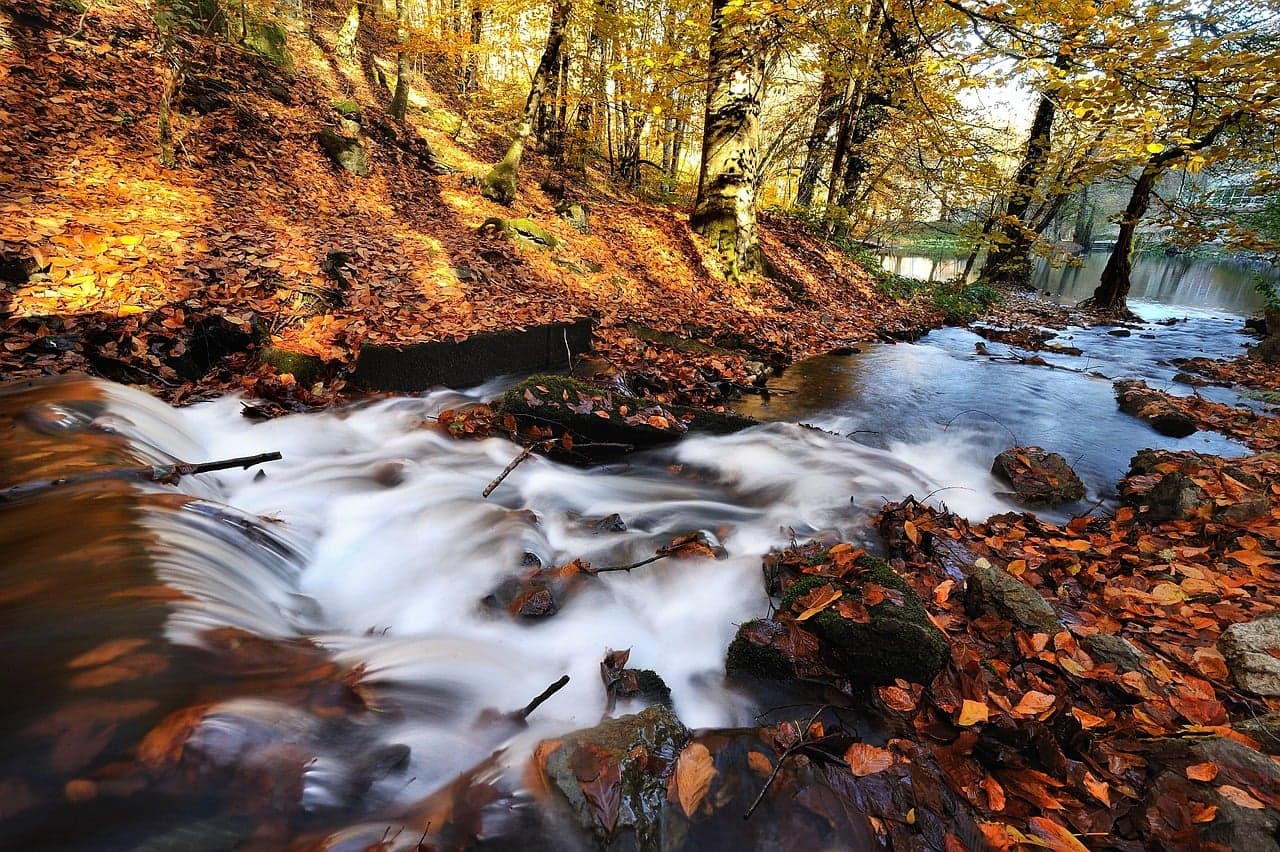
Lakes form the backbone of a trip to Bolu: Yedigöller, Abant and Gölcük, just outside the city, take on a different colour in every season. Add Göynük and Mudurnu, which keep the fabric of an Ottoman small town, and the famous cooking of Mengen between the lakes, and you have a balanced two-day route. In winter the same forests welcome skiers at Kartalkaya.
What is each of Bolu's lakes known for?
Bolu's lakes are hidden in forests of pine, fir and beech. Each has its own character: one is the setting for the sound of skiing, one for a waterfall, one for a single house.
Yedigöller National Park
The basin, 42 kilometres north of Bolu, was declared a national park in 1965. The seven lakes, formed when sliding masses of earth blocked the valleys, line up from north to south over a stretch of about 1,500 metres and are linked by surface and underground flows: Büyükgöl, Seringöl, Deringöl, Nazlıgöl, Küçükgöl, İncegöl and Sazlıgöl. The lakes sit on two plateaus with a hundred metres' difference in height between them. Nazlıgöl forms a waterfall with the water seeping from its bottom, which is why it is also called Şelale Gölü (Waterfall Lake). Climb to the Kapankaya viewpoint to see the lakes from above.
Lake Abant
The lake, at about 1,350 metres, is surrounded by fir and pine forests and fed by springs, snow and rain. Water lilies bloom along its shores and the Abant crocus around it; the red-spotted Abant trout lives in the lake, and the surrounding forests are home to red deer. The road around the lake makes a pleasant circuit for walking and cycling.
Gölcük Nature Park
Bolu's best-known postcard is the "Lonely House" (Yalnız Ev) on the shore of Gölcük. The park, at an average height of 1,217 metres, is surrounded by fir, beech and hornbeam forests and has walking paths, viewing terraces and picnic areas. As it is close to the city centre, you can also plan it as a half-day escape.
Sülüklü Göl Nature Park
The lake within the boundaries of Mudurnu was formed by tectonic movements; the tops of drowned trees still show above the surface and give the lake a surreal air. Its surroundings, covered in black pine, Scots pine, oak and lime, are a quiet place for walking and camping.
The Akkaya travertines
The travertines, 10 kilometres from the city centre, are white terraces formed by calcium-rich underground water warmer than 20 degrees. You can swim in the natural rock pool carved by the water, and taste the slightly sweet mineral water from the fountain beside it.
How does old Bolu live on in Göynük and Mudurnu?
Most of Bolu's historic domestic architecture is in these two districts. According to the governor's office records, the province has 360 examples of domestic architecture, 114 of them in Göynük and 207 in Mudurnu.
The houses of Göynük and the Gazi Süleyman Paşa Mosque
Göynük, which holds the Cittaslow (slow town) title, grew through the saffron trade in the fourteenth century. The roofs of its early twentieth-century houses are usually hipped and covered with local tiles; the houses have a ground floor plus one or two storeys, inner staircases and courtyards in front called "hayat". Look out for the decorated ceilings in the sitting rooms of some houses. The Gazi Süleyman Paşa Mosque in the centre was built between 1331 and 1335 with a single-balcony minaret and a wooden dome; in the Tomb of Akşemseddin in its courtyard, the cenotaph decorated with relief inscriptions on walnut is a fine example of Ottoman woodwork.
Mudurnu
Mudurnu, declared an urban conservation area, is known for mansions similar to those of Göynük; the Armutçular, Keyvanlar, Yarışkaşı and Hacı Abdullahlar mansions are worth visiting. The district has kept the Ahi guild tradition alive for centuries: every Friday there is a tradesmen's prayer and a bread-throwing custom. Mudurnu is also in the slow town network and is being put forward for the UNESCO World Heritage Tentative List.
The Yıldırım Bayezid Mosque and the Taşhan
The mosque in the centre of Mudurnu is part of a complex along with a madrasa and a bath. According to the inscription on the bath, it was built in 1382 by Prince Bayezid (Yıldırım); with its high-drummed dome 19.43 metres in diameter, it is one of the important buildings of early Ottoman architecture. The Lower Taşhan west of the mosque was built in 1750 and the Upper Taşhan to the north in 1804; their two-storey arcaded rooms around open courtyards are worth seeing.
What is there in and around the city centre?
Bolu Museum
Founded in 1981, the museum brings together archaeological and ethnographic objects from the surrounding area; its collection runs from Neolithic and Early Bronze Age finds to Byzantine and Ottoman works. Check current hours and prices on the museum's official page.
The Seben rock houses
The rock-cut houses in Seben are four or five storeys high, their floors linked by chimney-like stairs. Crosses and Latin inscriptions on the walls show that the houses were used from the early Christian to the middle Byzantine period.
Kartalkaya Ski Centre
The centre, 38 kilometres south-east of Bolu, is known for its runs among pine forests. Thanks to its closeness to Istanbul and Ankara, it is a ski centre loved by people living in both cities.
What should you try in Bolu's kitchen?
Bolu's Mengen district is known for its famous cooks. Mengen pilaf, made with lamb, mushrooms, walnuts, tomatoes and dill, and kaldırık dolması, borage leaves wrapped around onion, garlic and cornmeal, are this district's specialities. Abant kebab, in which roasted aubergine is filled with lamb, mushrooms and vegetables, topped with grated cheese and baked, is another must. In winter, ovmaç soup with chickpeas and bits of dough, Ottoman-style imaret soup with rice cooked in milk and Bolu chocolate made with wild hazelnuts are the other stars of the table.
How many days do you need in Bolu?
Two days is ideal. A sample route:
- Gölcük Nature Park and the Lonely House on the morning of day one.
- A walk or bike ride around Lake Abant in the afternoon.
- The Yıldırım Bayezid Mosque, the Taşhan and the mansions in Mudurnu in the late afternoon.
- Yedigöller National Park and the Kapankaya viewpoint on the morning of day two.
- The houses of Göynük and the Gazi Süleyman Paşa Mosque in the afternoon; Bolu Museum on the way back.
In winter, you can give the second day to Kartalkaya.
When should you go, and how do you get there?
The best time for Yedigöller is April to November, when the lakes and forests are at their most colourful. Choose the winter months for skiing. Bolu is on the Istanbul–Ankara highway, so it is easy to reach from both cities. In winter the Bolu–Yedigöller road is closed by snow; at that time the park is reached via Yeniçağa, Mengen and Yazıcık.
What should you keep in mind?
- In the national and nature parks, do not leave the marked paths, and follow the rules on fires and rubbish.
- At Yedigöller, angling is allowed only in certain months and for a fee; ask the staff about the rules.
- People still live in most of the houses in Göynük and Mudurnu; respect their privacy when taking photos.
- Visit mosques outside prayer times and keep quiet inside.
For other nature routes, take a look at the City Routes page.
Frequently asked questions
How many days do you need in Bolu?
Two days is enough. You can give one day to Gölcük, Abant and Mudurnu and the second to Yedigöller and Göynük. In winter, add another day for skiing.
When should you visit Yedigöller?
The best time to visit the park is April to November. In winter the Bolu–Yedigöller road is closed by snow; at that time the park is reached via Yeniçağa, Mengen and Yazıcık.
What are the names of the lakes at Yedigöller?
Büyükgöl, Seringöl, Deringöl, Nazlıgöl, Küçükgöl, İncegöl and Sazlıgöl. Nazlıgöl, which forms a waterfall with water seeping from its bottom, is also called Şelale Gölü (Waterfall Lake).
Göynük or Mudurnu?
Both are close to each other and known for similar Ottoman houses. Göynük has the Gazi Süleyman Paşa Mosque and the Tomb of Akşemseddin, Mudurnu the Yıldırım Bayezid Mosque, the Taşhan and a living Ahi tradition; if you have time, see both.
What should you eat in Bolu?
Mengen pilaf, kaldırık dolması, Abant kebab, ovmaç and imaret soups and Bolu chocolate made with wild hazelnuts are the region's standout flavours.
Editorial desk
Stories signed by the Cultvia editorial desk follow our editorial policy; every story lists its sources at the end and errors are fixed under our corrections policy.
Last updated:
What changed?
- : First published
Sources
- Top Things to See in Bolu — Go Türkiye (Türkiye Turizm Tanıtım ve Geliştirme Ajansı)
- Taste the Flavors of Bolu — Go Türkiye (Türkiye Turizm Tanıtım ve Geliştirme Ajansı)
- Yedigöller Milli Parkı — Kültür Portalı – T.C. Kültür ve Turizm Bakanlığı
- Tarihi Bolu Evleri — T.C. Bolu Valiliği
Up next
 City RoutesParis Photo 2026: opening hours, sectors and what to see13 November 2026 · 1 min read


