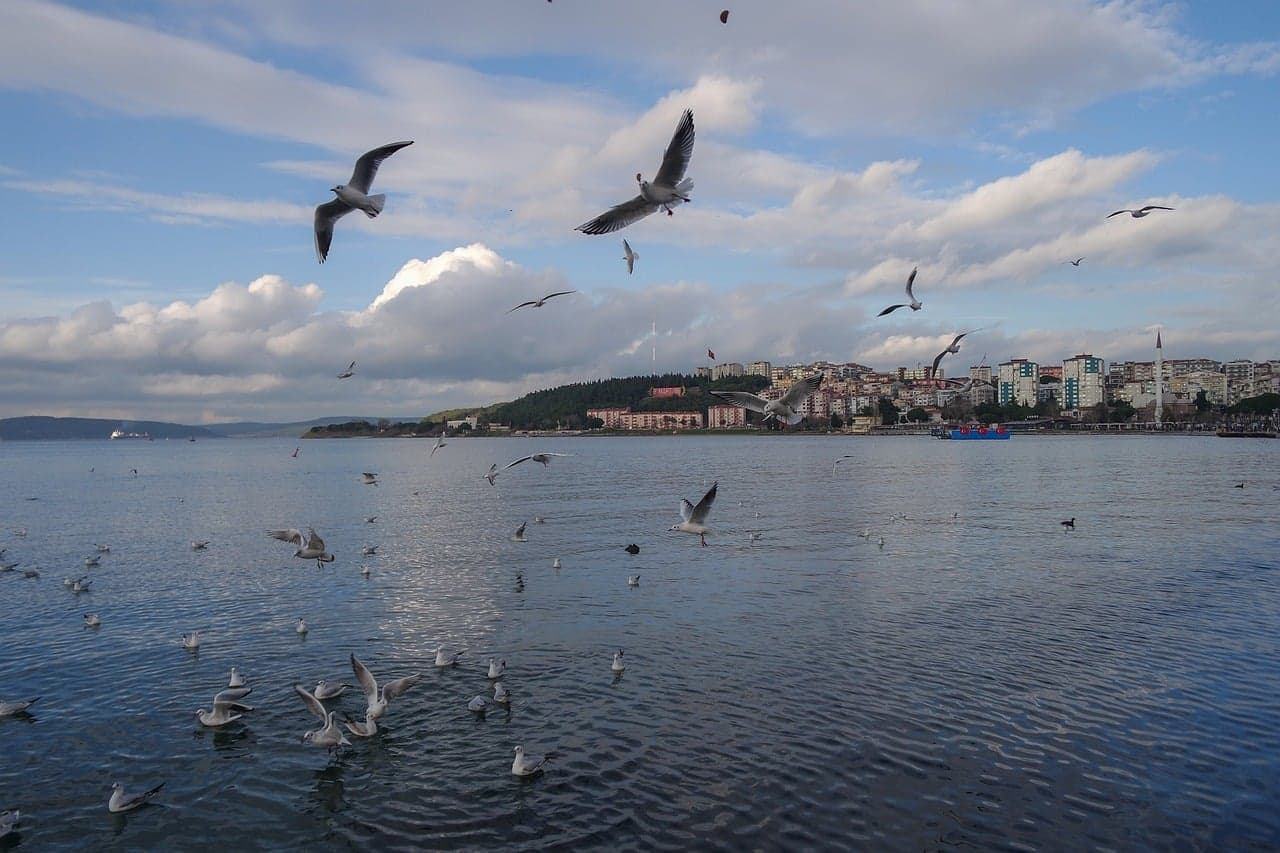
In Çanakkale, start with the layers of history on the Asian side of the strait: UNESCO-listed Troy and the Troy Museum at its entrance, Assos with its Temple of Athena, and the foothills of the Kazdağları mountains. Then cross to the two islands, Bozcaada with its vineyards and Gökçeada with its olive groves; on the European side, the historic area of the Gallipoli peninsula calls for a quiet, reflective walk. Three or four days is a good start for seeing Çanakkale.
What should first-time visitors see in Çanakkale?
The archaeological site of Troy
Troy, in the village of Tevfikiye about twenty-five kilometres from the city centre, is one of the best-known ancient settlements in the world as the city described in Homer's Iliad and Odyssey. Excavations have identified many city layers going back to around 3000 BC; the sawtooth stone walls belong to the period usually identified with Homer's Troy. Remains of an odeion, a theatre and baths from the Hellenistic and Roman layers can also be seen. Troy has been on the UNESCO World Heritage List since 1998. The layers are not easy to tell apart, so follow the information panels on the site in order.
The Troy Museum
Opened in 2018 at the entrance to the site, the contemporary museum building tells the archaeology of the Troad region under seven headings: from the Bronze Age to the Iliad, from Roman Ilion to the Ottoman period and the history of the excavations. You go up to the exhibition floors by ramps, which turns the museum into a chronological walk. If you visit the museum before the site, you will read the ruins far better.
The wooden horse
The twelve-and-a-half-metre wooden horse at the entrance to Troy was designed in 1975 using pine from the Kazdağları and became the city's emblem. On the waterfront in the city centre stands a second horse, used in a film about Troy; both are must-have souvenir photos.
The Aynalı Bazaar and the waterfront
The Aynalı Çarşı on Çarşı Caddesi in the city centre is a small historic bazaar celebrated in folk songs. Its name is thought to come from the blinkers, called "ayna", once sold here for horses. After the bazaar, walk along the waterfront facing the strait; the fifteenth-century Çimenlik Castle is here too.
What is there in the Kazdağları and along the Ayvacık coast?
Assos
Assos, in the village of Behramkale near Ayvacık, was built on and around a volcanic hill rising from the Aegean shore. Almost all of its buildings are made of andesite, a stone that is hard to work but very durable. The Temple of Athena on the acropolis was built in the sixth century BC and is the first and only known Doric temple of the Archaic period in Anatolia. As you walk down the terraces you will see the remains of the agora, the gymnasium, the theatre and the necropolis. The philosopher Aristotle is known to have lived here for a time. Wait for the sunset beside the temple, looking out towards Lesbos.
Apollo Smintheion
The sanctuary of Apollo Smintheus in the village of Gülpınar is considered the most important sanctuary of the Troad after Troy. Its dedication to a cult of Apollo who protected farmers from mice gives it a special place among the Apollo cults of Anatolia. You can stop here on the way from Assos to Babakale.
Babakale
This small coastal town west of Assos is known for its castle and the sea views from its walls. With its historic fabric and the colour of the sea, it is a quiet stop at the end of the coast road, far from the crowds.
How do you get to Bozcaada and Gökçeada?
Bozcaada
Bozcaada, ancient Tenedos, is a short ferry ride from Geyikli pier. With houses and streets that keep their old character, vineyards, quiet beaches and thyme-scented hills, it suits slow exploring. The wind turbines and lighthouse at the island's western tip are the favourite spot for watching the sunset.
Bozcaada Castle
No one knows exactly when or by whom the castle that greets the ferry with its eight bastions was built; it is known to have been used since the Byzantine, Venetian and Genoese periods. The exhibition area inside holds objects on Bozcaada's history and ethnography. Take some time to look down from the walls at the harbour and the roofs of the old houses.
Gökçeada
Gökçeada, Türkiye's largest island, is reached by ferry from Kabatepe harbour. Once called Imbros, the island lies at Türkiye's westernmost point and is known as "the place where the sun sets last". The stone houses, churches and cobbled lanes of its old villages, centuries-old olive trees and organic farming shape the island's character. Its windy climate also makes it an important surfing spot.
How do you visit the Gallipoli Peninsula Historical Area?
The historic area and memorials
The Gallipoli peninsula, on the European side of the strait, is a large historic area covering the ground where the Gallipoli campaign was fought in 1915. Memorial cemeteries and monuments line the peninsula, commemorating soldiers from different countries. This is a place of remembrance rather than a sightseeing spot; plan a quiet and respectful visit.
Anzac Cove
This small cove, six hundred metres long, hosts the dawn commemoration held every year in the early morning for visitors from Australia and New Zealand. Outside the ceremony days, the cove and the memorials around it are open to visitors too.
The Çanakkale Epic Promotion Centre
Opened in 2012, the centre tells the course of the campaign through re-enactment halls, three-dimensional screenings and moving platforms. Commentary is offered in seven languages for foreign visitors, and the exhibition hall holds objects from the period and dioramas. Stopping here before touring the peninsula makes the area easier to understand.
How many days do you need in Çanakkale?
Two days for the city, Troy and Assos, one day for one of the islands and one more for the Gallipoli peninsula is ideal. A sample route:
- Day one: The Troy Museum and the site of Troy in the morning; the Aynalı Bazaar and the waterfront in the evening.
- Day two: Assos, then Apollo Smintheion and Babakale; sunset at Assos.
- Day three: Cross from Geyikli to Bozcaada and see the castle and the lighthouse at the western tip.
- Day four: The Gallipoli Peninsula Historical Area; if you want to cross from Kabatepe to Gökçeada on the way back, add another night.
Add Çanakkale's food to the route: Ezine cheese, made from the milk of animals grazing on Kazdağları herbs, Gelibolu's cheese halva, sardines grilled in vine leaves, scorpionfish soup and minced-meat metez are the region's best-known flavours.
When should you go, and how do you get there?
May, June and September are the most balanced months for both the ancient sites and the islands; in July and August the islands get very crowded. In winter the strait is windy, and island ferries may run less often. You can reach Çanakkale by road, by the car ferries crossing the strait or through the city's airport. For Assos, Babakale and the Gallipoli peninsula, driving lets you make the best use of your time.
What should you keep in mind?
- Check the current visiting hours and ticket prices of museums and archaeological sites on their official pages.
- Island ferry timetables change with the season; check ahead, especially for summer weekends.
- At the memorials and cemeteries on the Gallipoli peninsula, keep quiet, do not sit on the monuments and do not play loud music.
- The andesite paths of Assos are steep and slippery; wear comfortable shoes.
You can find other city routes on the City Routes page.
Frequently asked questions
How many days do you need in Çanakkale?
Two days for Troy, Assos and the city centre, one day for one of the islands and one more for the historic area on the Gallipoli peninsula gives you a comfortable four-day trip.
When is the best time to visit Çanakkale?
May, June and September are the most balanced months. In July and August the islands get very crowded; in winter, ferries may run less often because of the wind.
How do you get to Çanakkale?
You can arrive by road, by the car ferries that cross the strait or through the city's airport. For Assos and the Gallipoli peninsula, having a car makes things easier.
What should you know before visiting Troy?
The layers at the site are not easy to tell apart. If you visit the Troy Museum at the entrance first, the finds from the excavations and the displays will help you read what you see on site much better.
Bozcaada or Gökçeada?
Bozcaada is small and best explored on foot, with its vineyards and old streets. Gökçeada is bigger and wilder; with its old stone villages, olive groves and surfing coves, it needs a few days.
Editorial desk
Stories signed by the Cultvia editorial desk follow our editorial policy; every story lists its sources at the end and errors are fixed under our corrections policy.
Last updated:
What changed?
- : First published
Sources
- Çanakkale'de Görülecek Yerler — Go Türkiye (Türkiye Turizm Tanıtım ve Geliştirme Ajansı)
- Taste the Flavors of Canakkale Guide — Go Türkiye (Türkiye Turizm Tanıtım ve Geliştirme Ajansı)
- Troya Ören Yeri — Kültür Portalı – T.C. Kültür ve Turizm Bakanlığı
- Assos Antik Kenti — Kültür Portalı – T.C. Kültür ve Turizm Bakanlığı
Up next
 City RoutesParis Photo 2026: opening hours, sectors and what to see13 November 2026 · 1 min read


