The strongest reason to go to Çorum is Hattusa, the Hittite capital: the city's lion and sphinx gates, on the UNESCO World Heritage List since 1986, the nearby rock sanctuary of Yazılıkaya and the sphinx gate of Alacahöyük easily fill a day. Give the second day to the Çorum Museum, full of Hittite finds, the city's clock tower and its bazaar famous for leblebi. If you have time left, head to İskilip and try İskilip dolması, cooked for twelve hours.
What should you not miss at Hattusa?
Hattusa, in the Boğazkale district, spreads over a large area; according to the Kültür Portalı, in the time of the Hittite Empire the city was surrounded by a wall about six kilometres long. The city was discovered in 1834 by the French traveller Charles Texier, and excavations that began in 1906 showed that it was the Hittite capital. The cuneiform tablet archives found at the site, representing the oldest known Indo-European language, have been on UNESCO's Memory of the World Register since 2001; in these tablets Hattusa is called "the City of a Thousand Gods".
The Lion Gate, the King's Gate and the Sphinx Gate
The monumental gates in the walls are among the finest examples of Hittite stonework. At the highest point of the city, at the southern tip of the wall, is the Yer Kapı. Look closely at the figures on the stones at the relief-decorated Sphinx Gate, the King's Gate and the Lion Gate; this is where you best see how much attention Hittite masters paid to detail.
The Great Temple and the Lower City
The Great Temple in the Lower City was dedicated to the Storm God Teshub and the Sun Goddess of Arinna. The enormous grain stores uncovered in the city also show how well organised a capital Hattusa was.
Büyükkale
At Büyükkale, the palace complex where the kings lived, the remains of residences set around courtyards, storage buildings and a large audience hall have been uncovered. Try to imagine the city's centre of government here.
The Hieroglyph Chamber and the Nişantepe inscription
The Hieroglyph Chamber holds an inscription recounting the deeds of the Great Hittite King Suppiluliuma II. The partly worn inscription at Nişantepe contains the longest hieroglyphic text left by the Hittites.
What are Yazılıkaya, Alacahöyük and Sapinuwa like?
The area covering the remains of Hattusa and Alacahöyük was declared the Boğazköy-Alacahöyük Historical National Park in 1988. That is why it makes sense to visit the two places one after the other on the same day.
Yazılıkaya Open-Air Sanctuary
Two kilometres north-east of Hattusa, a sacred area hides among high rocks. On the rock faces of this sanctuary, thought to have been used for the new year celebrations of the period, gods and goddesses are carved in procession. The site is visited in two parts, Chambers A and B; on the back wall of Chamber A is the meeting of the Storm God Teshub and the goddess Hepat, and opposite it the largest figure in the sanctuary, Tudhaliya IV.
The Boğazköy Museum
The local museum in the Boğazkale district displays finds from the Hattusa excavations and the surrounding area. The Hittite period dominates, but there are also Chalcolithic, Early Bronze Age, Phrygian, Roman and Byzantine pieces. Visiting the museum before entering the site helps you make sense of what you see.
Alacahöyük
Alacahöyük, 45 kilometres south-west of Çorum, was an important cult and art centre in the Early Bronze Age and the Hittite period. Excavations that began in 1935 uncovered four cultural layers. The Sphinx Gate, ten metres wide and built of andesite blocks on a limestone base, is the site's emblem. The Early Bronze Age royal tombs are among the most important finds for understanding the native Hattian civilisation that fed into Hittite culture. Do not skip the Alacahöyük Museum on site.
Sapinuwa
Sapinuwa, 53 kilometres south-east of Çorum around the Çekerek river, was one of the important military and religious centres of the Hittites. Excavations found close to four thousand cuneiform tablets and fragments; besides Hittite, the archive contains texts in Hattian, Hurrian and Akkadian.
What is there in central Çorum?
Çorum Museum
The museum, in service since 1968, opened in 2003 in its new home in a listed historic building. In the governor's office's description, the archaeology hall spread over four floors holds a chronological display that begins with Chalcolithic finds from the Alacahöyük, Kuşsaray and Büyük Güllücek excavations. One of the Early Bronze Age tombs from Alacahöyük is displayed as a faithful reconstruction; the two relief vases from the Yörüklü excavation, the bronze sword with a cuneiform inscription belonging to the Hittite king Tudhaliya II and the seal-impressed bullae from Hattusa and Sapinuwa are among the museum's most valuable pieces. Check current hours and prices on the museum's official page.
The Clock Tower and the Grand Mosque
The minaret-shaped clock tower in the city centre was built in 1894 of yellow cut sandstone. The nearby Grand Mosque was built in the reign of the Seljuk sultan Alaeddin Keykubad III and took its present form through major repairs; its ebony minbar, made with the kündekari technique, in a building also repaired by Sinan, is an important example of Turkish-Islamic art.
Çorum Castle
The construction date of the castle on a low hill overlooking the plain south of the city is unknown; it has Seljuk architectural features, and the first written documents about it date from 1571. Evliya Çelebi also mentions the castle as a Seljuk building.
İskilip Castle
In İskilip, on the old trade route from Istanbul to Amasya, the castle built on a rock sheer on three sides can be climbed only from the north-west. At the foot of the rock it sits on are rock tombs from the Roman period.
What should you eat and buy in Çorum?
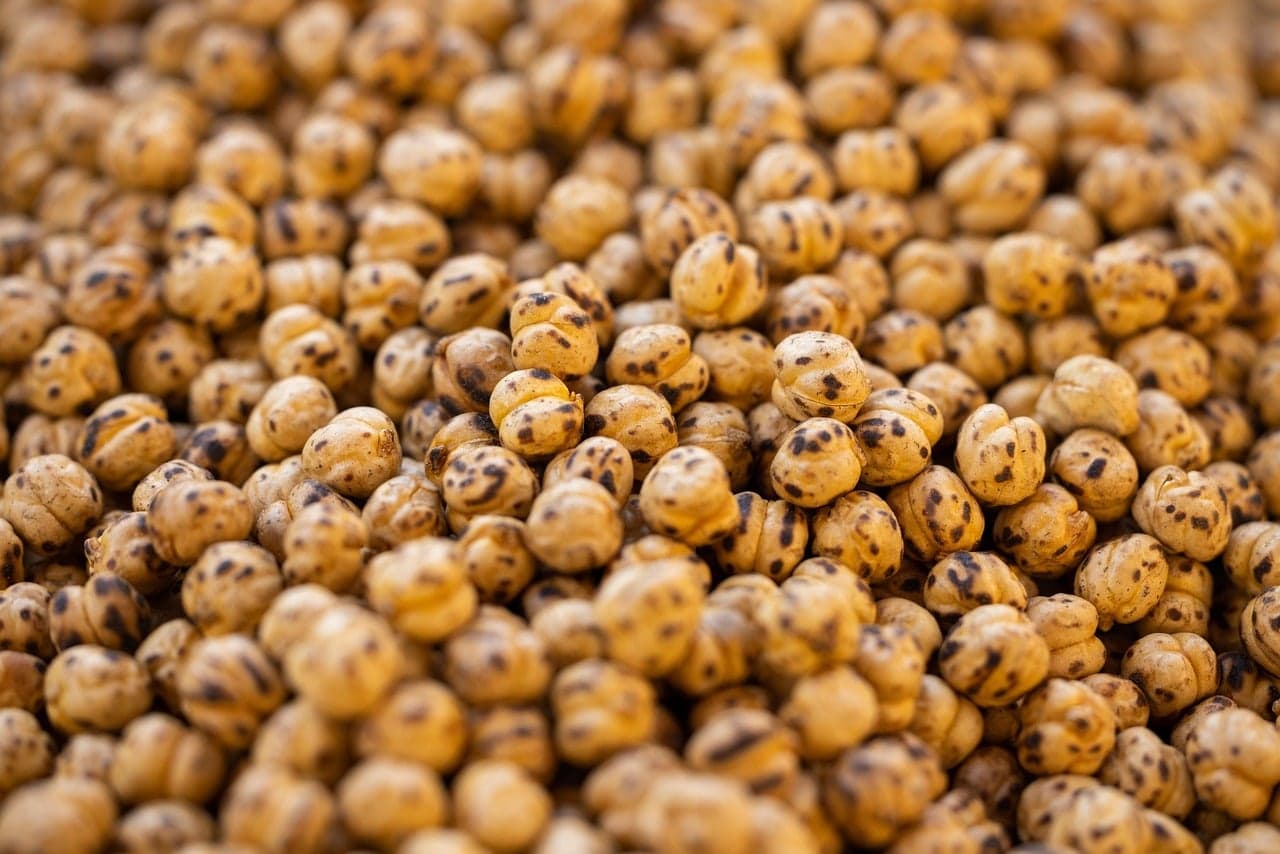
Çorum's emblem is leblebi: roasted chickpeas toasted over a wood fire come in peppery, sugared and chocolate-coated varieties, so be sure to buy a packet in the bazaar. İskilip dolması is a dish cooked for about twelve hours by cooks called dolmacı at weddings in the villages at the foot of the Deveci and Köse mountains. Çorum mantı served with garlic yoghurt and butter, gül baklava made in preparation for weddings and holidays, tandır kebab cooked in an oven heated with oak wood and madımak are the table's other highlights. Kargı tulum cheese and Osmancık and Kargı rice are local products you can take home.
How many days do you need in Çorum?
Two days is ideal. A sample route:
- The Boğazköy Museum and the gates, Great Temple and Büyükkale of Hattusa on the morning of day one.
- The Yazılıkaya Open-Air Sanctuary in the afternoon.
- The Alacahöyük site and museum in the late afternoon, then back to Çorum.
- The Çorum Museum, the Grand Mosque, the Clock Tower and Çorum Castle on the morning of day two.
- İskilip in the afternoon for İskilip Castle and İskilip dolması at lunch; leblebi shopping on the way back.
When should you go, and how do you get there?
Hattusa and Alacahöyük are large, open sites, so spring and autumn are the most comfortable seasons; on summer days, start early in the morning. Hattusa is about 90 kilometres from Çorum and 29 from Sungurlu, and Alacahöyük is 45 kilometres from Çorum. If you want to see the three sites on the same day, renting a car or joining a tour makes things easier.
What should you keep in mind?
- Walking distances at Hattusa are long; bring comfortable shoes, a hat and enough water.
- Do not touch the reliefs or gate sculptures, and do not leave the marked paths.
- Check current visiting hours and ticket prices for archaeological sites and museums on official sources.
- Visit mosques outside prayer times, and wear clothes that cover your shoulders and knees.
For other historic city routes, take a look at the City Routes page.
Frequently asked questions
How many days do you need in Çorum?
Two days is enough. You can give one day to Hattusa, Yazılıkaya and Alacahöyük, and the second to the Çorum Museum, the city centre and İskilip.
How far is Hattusa from Çorum?
Hattusa is in the Boğazkale district, about 90 kilometres from Çorum and 29 kilometres from Sungurlu. Alacahöyük is 45 kilometres south-west of Çorum.
Is Hattusa on the UNESCO list?
Yes. Hattusa was added to the UNESCO World Heritage List in 1986. The cuneiform tablet archives found at the site have also been on UNESCO's Memory of the World Register since 2001.
When is the best time to visit Çorum?
The archaeological sites are large and open, so spring and autumn are the most comfortable seasons. If you go in summer, start exploring early in the morning.
What should you eat in Çorum?
Leblebi is Çorum's emblem. İskilip dolması, Çorum mantı, gül baklava, tandır kebab, madımak and Kargı tulum cheese are also the region's best-known flavours.
Editorial desk
Stories signed by the Cultvia editorial desk follow our editorial policy; every story lists its sources at the end and errors are fixed under our corrections policy.
Last updated:
What changed?
- : First published
Sources
- Hattuşa — Kültür Portalı – T.C. Kültür ve Turizm Bakanlığı
- Çorum Müzesi — T.C. Çorum Valiliği
- Top Things to See in Çorum — Go Türkiye (Türkiye Turizm Tanıtım ve Geliştirme Ajansı)
- Taste the Flavors of Çorum — Go Türkiye (Türkiye Turizm Tanıtım ve Geliştirme Ajansı)
Up next
 City RoutesParis Photo 2026: opening hours, sectors and what to see13 November 2026 · 1 min read


