To understand Elazığ, first climb up to Harput above the city: the Urartian castle, the Grand Mosque with its leaning minaret and the Artuqid-era mosques are in this old town, the ancestor of today's Elazığ on the plain. Below are the Covered Bazaar and the City Museum, and around the city Lake Hazar, Hastek Castle on the Keban Dam Lake and the Urartian inscription at Palu. With two days you can get to know both the history and a table of Harput köfte and walnut sucuk.
What can you see in Harput?
The name Harput is generally taken to mean "stone castle". The settlement, with a history of at least four thousand years, grew quiet in the nineteenth century when the seat of administration moved down to the plain; today it is a district explored like an open-air museum.
Harput Castle (the Milk Castle)
Built by the Urartians in the eighth century BC, the castle is the oldest surviving structure in Harput. Rock-cut stairs, tunnels and water channels can still be traced inside. Its popular name, Süt Kalesi (the Milk Castle), comes from the story that milk was mixed into the mortar instead of water during a drought while it was being built. The view over the plain from the walls on the steep slope is the best moment of a visit to Harput.
The Grand Mosque of Harput
Built in 1157 by the Artuqid ruler Fahreddin Karaarslan, the mosque is known for its leaning minaret, which is why it is also called the Mosque with the Crooked Minaret. You can hear the legends about the minaret of this building, which shows traces of Anatolian and Iranian Seljuk architecture, and about the mulberry tree behind the mihrab from local guides.
The Kurşunlu Mosque and the Alacalı Mosque
The Kurşunlu Mosque was built in 1739 and takes its name from its lead-covered domes. Its real treasure is its ebony minbar, made with the kündekari technique of small wooden pieces fitted together without glue. The monumental plane tree in the courtyard is thought to be as old as the mosque. The Artuqid-era Alacalı Mosque dates from 1204; it takes its name from the use of light and dark cut stone together, and its wooden ceiling is decorated with painted ornament.
The Church of the Virgin Mary
The building, also known as the Red Church, is regarded as one of the oldest churches in Anatolia. Because it stands on a rock adjoining the south-east corner of Harput Castle, with rocks forming its west wall, it looks as if it were embedded in the castle. The church is still in use for worship, so keep quiet when you visit.
The Cimşit Bey Hamam
Of Harput's three historic bathhouses, the sixteenth-century one has been restored and all its parts can be seen. The remains of the Ottoman-era Hoca Hasan Hamam and the Castle Hamam are in the same district.
Buzluk Cave
In this cave in the cliffs near Harput, underground air currents make ice form naturally in summer, but not in winter. In the past, local people carried the ice they took from here in summer to Harput on pack animals and sold it. Look north from the cliffs above the cave and you will see the blue of the Keban Dam Lake.
What is there in Elazığ on the plain?
The Covered Bazaar, the Coppersmiths' Bazaar and the Grain Store
The Covered Bazaar, in business since 1928, is the liveliest place in the city. Kadayıf pastry is made fresh here; in the Coppersmiths' Bazaar next door copper vessels are made and tin-lined, and grains and pulses are sold at the Grain Store. A handmade copper pot is one of the most meaningful souvenirs you can take home from Elazığ.
The Elazığ City Museum and Kazım Efendi Street
The building, put up in 1896 and used for many years as the provincial administration building, has been the City Museum since 2024. Through themes such as weaving, food, music, shoemaking, coppersmithing and natural dyeing, it tells the story of the city's everyday memory. On Kazım Efendi Street in the city centre you can see Elazığ-Harput houses from the late nineteenth century, restored with their stone and timber work.
What do Hazar, Palu and Ağın offer?
Lake Hazar
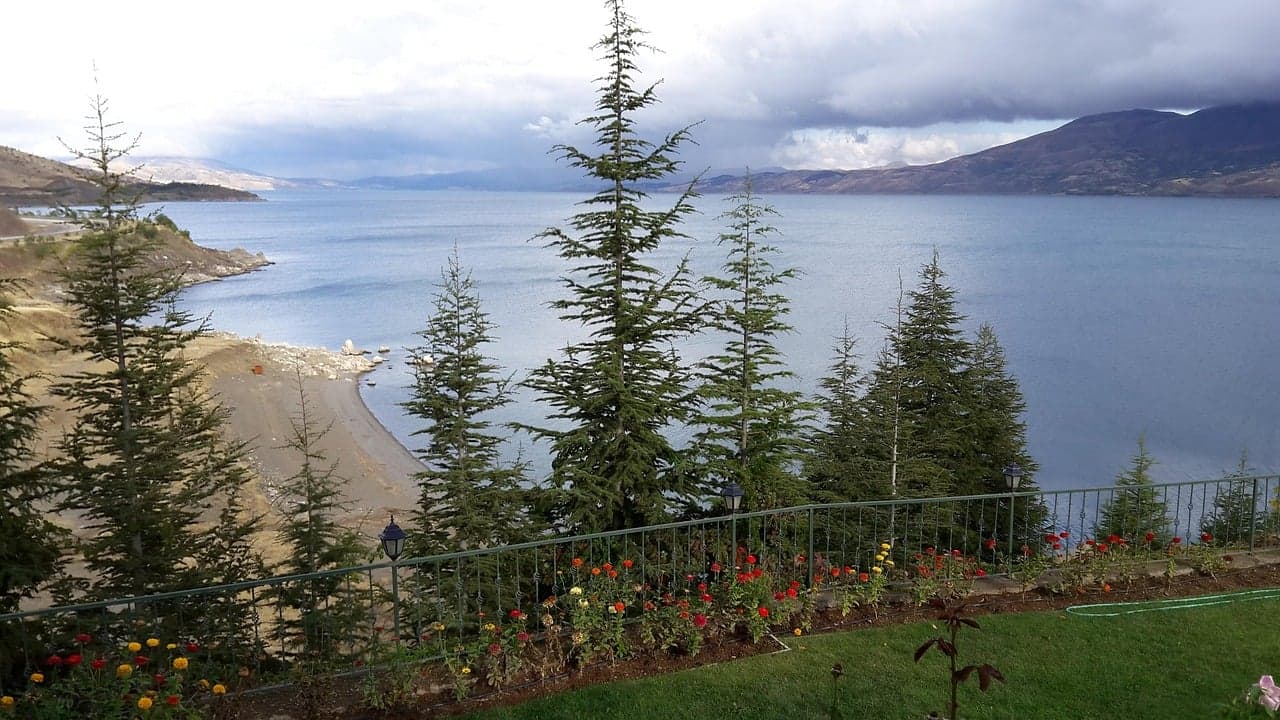
Lake Hazar, south-east of the city, is a tectonic lake about one thousand two hundred and fifty metres above sea level. With its clear water and Blue Flag beaches, it is the city's summer retreat, and the Sunken City in the lake is a first-degree archaeological conservation site. Lake Hazar has also been named among the European Destinations of Excellence.
Palu Castle and the Palu Bridge
Palu Castle, on a steep rock beside the Murat river, dates from the Urartian period. The rock inscription on the castle's north-east face records the campaigns of the Urartian king Menua in the region and his building of a temple. The stone bridge below is thought to have been built in the Roman period; historical sources call it "the bridge linking Istanbul to Baghdad".
Hastek Castle and Ağın
Hastek Castle in Ağın, carved storey by storey into cliffs that drop sheer into the Keban Dam Lake, is like a refuge, with its rooms, hidden stairs and loopholes. Today you can only see the castle by boat on the lake. Ağın's restored İspir Mansion, its historic houses, the Balkaya Crater Lake and the Ağın roasted chickpeas, with geographical indication, roasted in hot sand, are on the same outing.
What should you eat in Elazığ?
Harput köfte, kneaded with bulgur, minced meat and tomato paste, is the city's emblem. Kofik, made by stuffing peppers and aubergines dried in summer with bulgur and minced meat, lobik soup, made with a bean similar to black-eyed peas, and cheese pide, much loved in the city, are also local specialities. The öküzgözü and boğazkere grapes grown in Elazığ carry geographical indication status, and the pestil fruit leather and walnut sucuk made from them are winter treats. Be sure to try çedene coffee, made from the fruit of the wild pistachio tree.
How many days do you need in Elazığ?
Two days is enough. A sample route:
- Day one: Harput Castle and the Church of the Virgin Mary in the morning; the Grand Mosque and the Kurşunlu and Alacalı mosques at midday; Buzluk Cave in the afternoon.
- In the evening, head down to the city, stroll through the Covered Bazaar and the Coppersmiths' Bazaar, and end the day with Harput köfte.
- Day two: The City Museum and Kazım Efendi Street in the morning; Lake Hazar or Palu Castle in the afternoon.
- If you can spare another day, go to Ağın and see Hastek Castle by boat.
For other cities in eastern Anatolia, take a look at the City Routes page.
When should you go, and how do you get there?
May to October is the best time for walking in Harput and spending time by Lake Hazar. If you want to see the ice in Buzluk Cave, choose the summer months. Winters are cold, and Harput's slopes can be slippery on snowy days. You can reach Elazığ by air or by road; Lake Hazar is on the Elazığ–Diyarbakır road.
What should you keep in mind?
- Repair work may be under way at some historic buildings; check the official page before your visit to see whether they are open.
- Find out the City Museum's current hours and prices on its official page.
- Harput's stone streets are steep; wear comfortable, non-slip shoes.
- Visit the mosques and the church that is still in use outside service times and in suitable clothing.
Frequently asked questions
How many days do you need in Elazığ?
One day for Harput and the city centre and another for Lake Hazar or Palu lets you explore comfortably in two days. You can add a third day for Ağın and Hastek Castle.
Where is Harput, and is it separate from Elazığ?
Harput is the old town on the hill just above present-day Elazığ. When the seat of administration moved to the plain below in the nineteenth century, today's Elazığ was founded; Harput is now visited as the city's historic district.
When is the best time to visit Elazığ?
May to October is the best time for walking in Harput and spending time by Lake Hazar. If you want to see the ice in Buzluk Cave, choose the summer months.
How do you get to Lake Hazar?
Lake Hazar is south-east of Elazığ, on the Elazığ–Diyarbakır road, about twenty-two kilometres from the city centre; it is easy to reach by car.
What should you eat in Elazığ?
Harput köfte, kofik, lobik soup and cheese pide stand out. Pestil and walnut sucuk made from the öküzgözü and boğazkere grapes, Ağın roasted chickpeas and çedene coffee are also well-known local flavours.
Editorial desk
Stories signed by the Cultvia editorial desk follow our editorial policy; every story lists its sources at the end and errors are fixed under our corrections policy.
Last updated:
What changed?
- : First published
Sources
- Tarihi Harput — T.C. Elazığ Valiliği
- Gör Elazığ — Go Türkiye (Türkiye Turizm Tanıtım ve Geliştirme Ajansı)
- Buzluk Mağarası — Kültür Portalı – T.C. Kültür ve Turizm Bakanlığı
- Hazar Gölü — Kültür Portalı – T.C. Kültür ve Turizm Bakanlığı
Up next
 City RoutesParis Photo 2026: opening hours, sectors and what to see13 November 2026 · 1 min read


