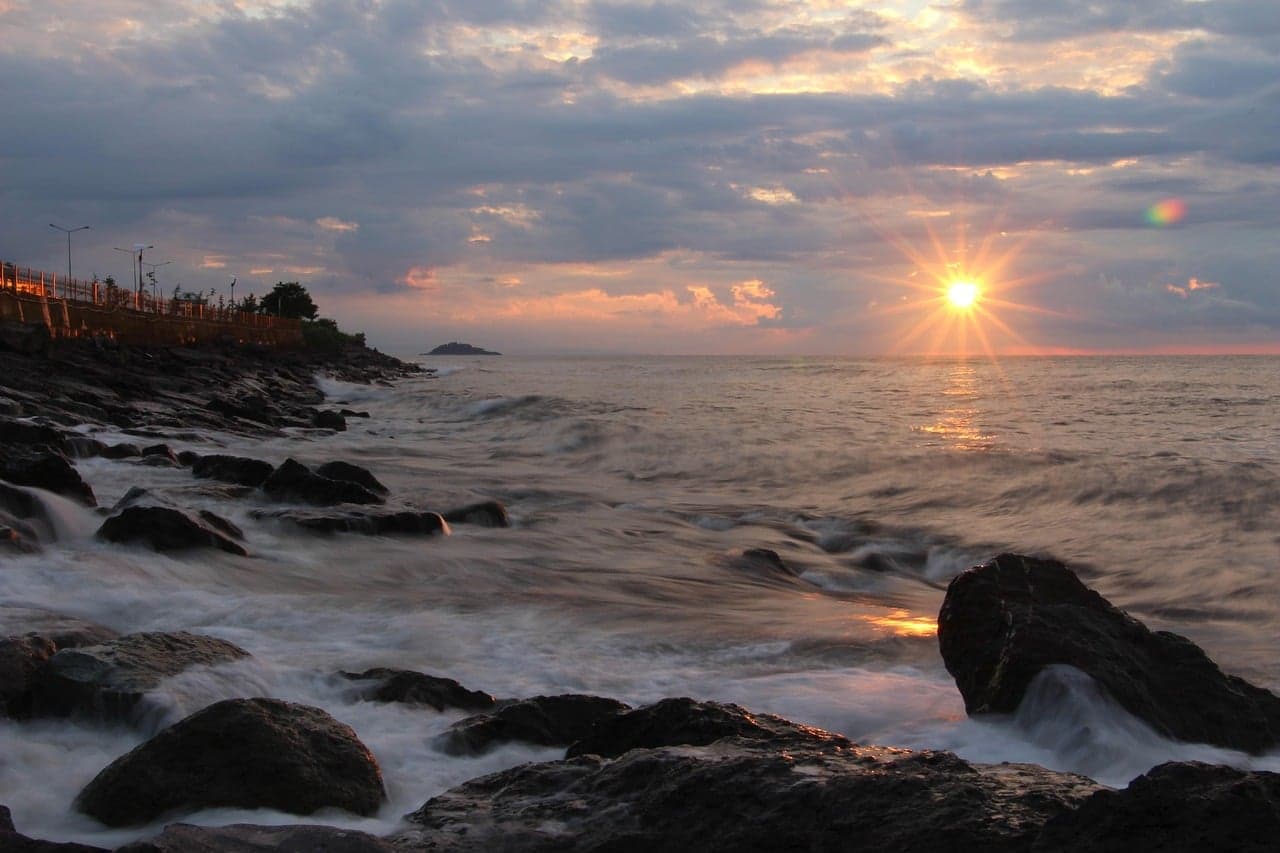
Make your first stops in Giresun the island of Giresun, the only island in the eastern Black Sea, and Giresun Castle on the summit of the peninsula that divides the city in two; both are just a few steps from the shore. The old houses of Zeytinlik at the foot of the castle and the Giresun Museum, housed in a church building, tell the story of the city's past. The real Giresun, though, begins higher up: the Kümbet, Bektaş and Sis Dağı highland pastures, the turquoise water of Mavi Göl (the Blue Lake) and the village roads between the hazelnut orchards.
What should first-time visitors see on the coast?
The city centre is built around a peninsula reaching out into the sea. The island, the castle, the old neighbourhood and the museum can all be seen in a single day, mostly on foot.
Giresun Island (Aretias)
Very close to the shore, this small island is the only island in the eastern Black Sea that was inhabited from antiquity to the Middle Ages. Archaeological finds take its history back to the 300s BC; on it are the remains of medieval walls and a monastery. Legends such as the Argonauts' voyage for the Golden Fleece and the Amazon women are also linked to this island. The island is also a breeding ground for seabirds; boat trips run only in the summer months.
Giresun Castle
The castle rising on the hill at the tip of the peninsula is believed to have been built by Pharnaces I, King of Pontus. Its cisterns, wells, lookout points and caves carved into the rock make it a pleasure to explore, but most people come up here for the view. This is the best place to see Giresun, where green slopes meet the blue sea. Today the castle is also a picnic and recreation area.
The Zeytinlik neighbourhood
The neighbourhood south-east of the castle is protected as an urban conservation area. According to their inscriptions, most of the houses were built in the 1840s and are arranged along the slope so as not to block one another's light or view. The Marseille roof tiles brought back by the ships that carried hazelnuts to Europe and the old peç stoves are the houses' most striking details. Wander the narrow streets without hurrying; the garden gates and window decorations differ one by one.
Giresun Museum (Gogora Church)
The museum is housed in the building of a former Orthodox church built in the Ottoman period. On display are objects ranging from the Early Bronze Age through the Hittite, Hellenistic, Roman, Byzantine, Seljuk and Ottoman periods, as well as stone reliefs, coins and clothing. Do not forget to look at the fresco of Jesus on the ceiling. Check the current visiting hours on the museum's official page.
The Meryem Ana Rock Church
West of the castle, this is a small cave church carved into the cliff overlooking the harbour. Originally a natural cave, the structure is thought to have been turned into a church in the fourth or fifth century AD. You reach the entrance over a small single-arched stone bridge from the Ottoman period; in the courtyard is a holy-spring fountain where sailors used to take on water.
Tirebolu Castle and the Görele Kemençe House
If you head east, stop at the castle in Tirebolu, also known as Saint Jean, on top of a rock reaching into the sea; inside are the remains of a small chapel and a masjid. A little further on, in Görele, considered the homeland of the kemençe, the Kemençe House displays a giant kemençe about six metres tall, portraits of master players and the stages of making the instrument.
Which highland pasture should you head up to?
Giresun's yaylas, or highland pastures, are not far from the city, and most of the roads are asphalted. Summer festivals, mornings when the mist settles into the valleys and the rhododendrons are the finest moments of highland tourism.
Kümbet Yaylası
At an altitude of about 1,600 metres in the Dereli district, this yayla is the province's best-known tourism centre. It spreads over a wide area surrounded by dense forest and flowering meadows, and is regarded as Giresun's ecotourism centre.
The Bektaş and Kulakkaya yaylas
Bektaş lies at the foot of Yörücek Hill, which is suitable for skiing, about 60 kilometres from the city. Kulakkaya, on the way, is known for its rhododendrons; Despot Kayası and Gelin Kayası, where two rocks sit one on top of the other, are the legendary stops along this route. When the sky is clear, the sight of clouds settling into the valleys is very impressive here.
Sis Dağı and Paşakonağı
At 2,182 metres, Sis Dağı in Görele is one of the most popular places for mountaineering; the Sis Dağı Festival is held every July. Paşakonağı Yaylası in Bulancak is famous for its yellow, purple and white azaleas, the Karasay Waterfall and Çiğseli Lake.
Gölyanı Obası
This highland settlement in Yağlıdere, with its houses built of wood, known locally as hartama, and its bowl-shaped natural lake, is like something out of a fairy tale. The area is protected and reinforced-concrete construction is not allowed.
Mavi Göl and Kuzalan Nature Park
The road that branches off right next to the Kuzalan Waterfall in Dereli climbs between travertines and canyons to Mavi Göl. Where the soda-rich water meets the limestone, the lake turns turquoise in certain months. The nearby Göksu travertines, with their white and turquoise pools, resemble a small Pamukkale.
Why should you give Şebinkarahisar a day?
Şebinkarahisar in the south of the province offers a completely different landscape from the coast: dark stone buildings, steep cliffs and a dry inland Anatolian air.
Şebinkarahisar Castle and the Taşhanlar
The walls of the castle on the rock overlooking the town run along steep slopes; inside are building foundations, cisterns reached by steps and rock tombs. The two-storey, arched Taşhanlar (Stone Inns) at the northern foot of the castle date from the seventeenth century.
The Meryem Ana Monastery
The Byzantine monastery in Kayadibi village is built into a hollow in the middle of a sheer cliff; in its appearance it recalls Sümela. It has thirty-two rooms with painted walls. The site was opened to visitors as an archaeological site in 2014.
Tamzara weaving
Tamzara, in a bowl-shaped valley, is known for the century-old cloth weaving that bears its name. Once woven as towels, tablecloths and sheets, Tamzara cloth is now turned into souvenirs; the neighbourhood is an urban conservation area.
What is on the table in Giresun?
Thanks to its rich vegetation, Giresun's cuisine is one of the most extensive vegetarian cuisines in Türkiye. Karalahana diblesi (collard greens) and dishes of wild greens and mushrooms form the basis of the table. If you go in July, taste cherries in their home province; do not miss the Giresun pide and the sesame-free simit made with grape molasses either. Hazelnut paste, Görele ice cream, Çamoluk dried beans, Alucra goat kebab, Çavuşlu bread and Piraziz apples are among the local products with a geographical indication.
How many days do you need in Giresun?
Three days is a relaxed pace. A sample route:
- Day one: Giresun Castle, the Meryem Ana Rock Church and Zeytinlik in the morning; the museum in the afternoon and, in summer, a boat trip to the island.
- Day two: The Kuzalan Waterfall and Mavi Göl towards Dereli, then the cool of the evening on Kümbet Yaylası.
- Day three: The castle, the Taşhanlar and the Meryem Ana Monastery in Şebinkarahisar, or east to Tirebolu and Görele.
For other cities on the Black Sea, take a look at the City Routes page.
When should you go, and how do you get there?
The best time for the highland pastures and the island is May to September; most festivals take place in the summer months. Spring is when the rhododendrons bloom. You can reach Giresun along the Black Sea coastal road or via Ordu-Giresun Airport; for the yaylas you will need your own vehicle or local minibuses.
What should you keep in mind?
- Fog can come down suddenly on the highland roads; drive slowly, especially in the late afternoon.
- Island trips depend on weather and sea conditions; confirm the dates in local announcements.
- Check the current opening hours and fees of museums and archaeological sites on their official pages.
- Do not leave the marked paths at Mavi Göl and the travertine areas; the formations are easily damaged.
Frequently asked questions
How many days do you need in Giresun?
One day for the castle, Zeytinlik, the museum and the island in the city centre and one day for Mavi Göl and Kümbet Yaylası is enough. Add a third day if you also want to see Şebinkarahisar.
How do you get to Giresun Island?
The island can be reached only on boat trips run in the summer months. Because the trips depend on weather and sea conditions, check the current dates in local announcements.
When is the best time to visit Giresun?
May to September is the best time for the highland pastures, island trips and festivals. Choose July if you want to taste cherries locally, and spring if you want to see the rhododendrons.
Where is Mavi Göl?
Mavi Göl is in Kuzalan Nature Park in the Dereli district, at the end of the road that branches off right next to the Kuzalan Waterfall. You reach the lake on a short walk between travertines and canyons.
What should you eat in Giresun?
Karalahana diblesi, dishes of wild greens and mushrooms, Giresun pide and simit with grape molasses stand out. Hazelnut sweets, Görele ice cream, Alucra goat kebab and Çavuşlu bread are also local specialities.
Editorial desk
Stories signed by the Cultvia editorial desk follow our editorial policy; every story lists its sources at the end and errors are fixed under our corrections policy.
Last updated:
What changed?
- : First published
Sources
- Gör Giresun — Go Türkiye (Türkiye Turizm Tanıtım ve Geliştirme Ajansı)
- Turizm — T.C. Giresun Valiliği
- Yaylalarımız — T.C. Giresun Valiliği
- Taste the Flavors of Giresun Guide — Go Türkiye (Türkiye Turizm Tanıtım ve Geliştirme Ajansı)
Up next
 City RoutesParis Photo 2026: opening hours, sectors and what to see13 November 2026 · 1 min read


