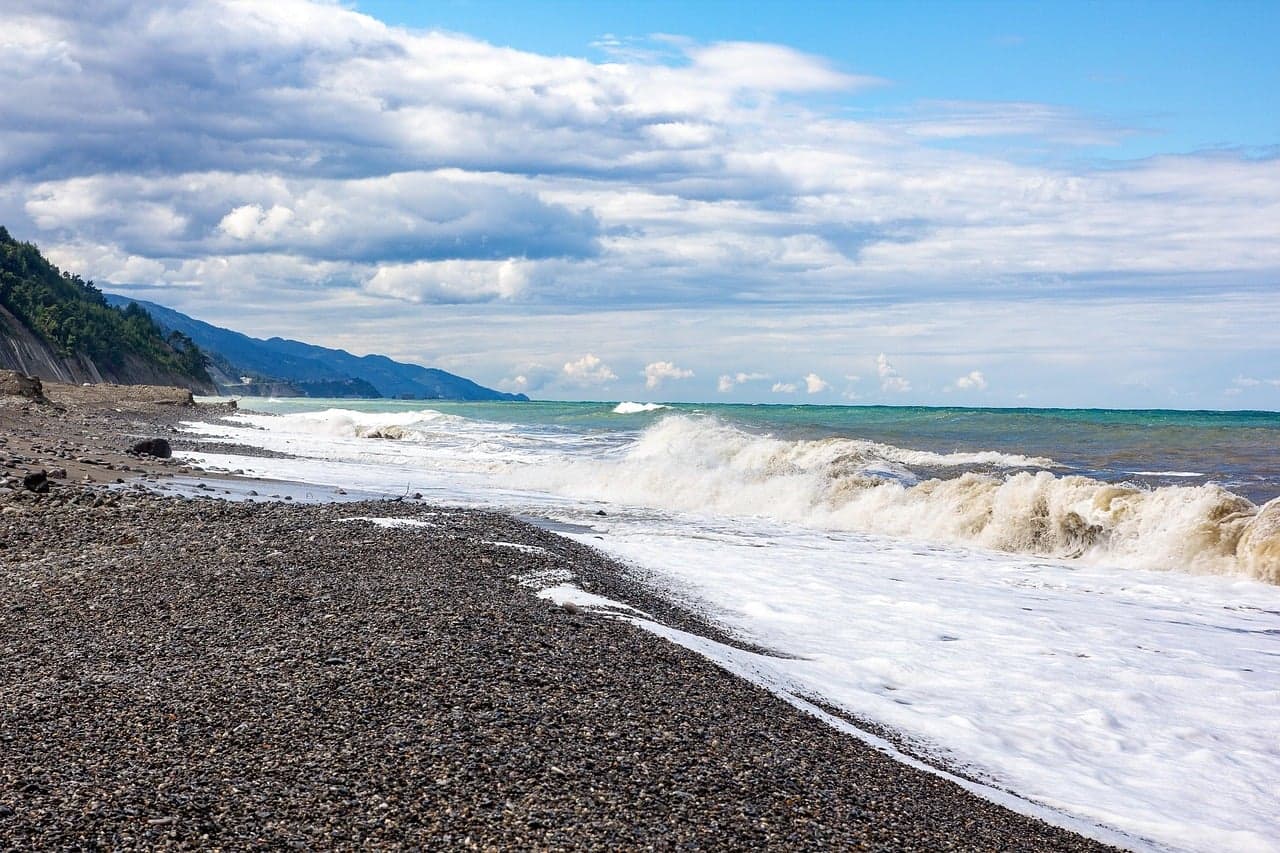
In Kastamonu, first climb to the castle at the top of the city, then walk among the mansions to Nasrullah Square, the İsmail Bey Complex and the museums. The next day, see the Mahmut Bey Mosque, built without a single nail, Pompeiopolis in Taşköprü and the wooden walkway of the Horma Canyon. İnebolu on the Black Sea coast and, in winter, Mount Ilgaz complete the two different faces of this forested province.
Where can you explore on foot in central Kastamonu?
The city centre is small but layered: on the same day you can see Phrygian-era rock tombs, Seljuk and Candarid buildings and nineteenth-century mansions. Comfortable shoes are a must for the steep streets.
Kastamonu Castle
The castle on the rock mass west of the city was built in the twelfth century, in the period of the Komnenos dynasty; only its inner castle has survived. Since it is about a hundred and twenty metres above the city, this is the best spot to take in Kastamonu from end to end. Inside are cisterns, escape tunnels and a tomb known as Bayraklı Sultan.
The Clock Tower
The tower on Sarayüstü Hill was built in 1885 and is one of the city's symbols. A local legend says the clock was "banished" here from Istanbul. If you visit it together with the castle, you get city views from two different angles.
The Nasrullah Mosque and its square
The mosque in the city centre, with its square, ablution fountain, bridge and the madrasa added later, has the look of a complex. It is the first and largest mosque built in Kastamonu in the Ottoman period; the calligraphy inside is the work of Ahmet Şevket Efendi, a calligrapher from Kastamonu. It is believed that anyone who drinks once from the fountain will either return to Kastamonu seven times or settle here.
The İsmail Bey Complex and Şahinşah Kayası
Regarded as one of the finest examples of the Beylik period, the complex rises on top of Şahinşah Kayası, a rock bearing two rock tombs from the seventh century BC. Of the group of buildings, made up of a mosque, a tomb, a madrasa, an inn and a hamam, the camel inn and the madrasa are used today as a crafts centre.
The mansions of Kastamonu
You reach the mansions, built between the end of the nineteenth century and the first half of the twentieth, through narrow streets and sometimes up stairs. Each building's front facade has a different design; the principle of not blocking a neighbour's sun and view is clearly visible here. Some of the restored mansions are open to visitors.
The Archaeology and Ethnography museums
The most striking pieces in the Archaeology Museum are Hittite-era metal vessels found in the Kınık excavations in Devrekâni: bull-headed rhytons and a bowl inscribed in hieroglyphs with the name Taprammi. The Ethnography Museum is in the Liva Paşa Mansion, built in 1887; alongside crafts such as rope-making, weaving and stone printing, the carved door of the Mahmut Bey Mosque in Kasaba village is displayed here. Check the current hours and fees on the museums' official page.
The Evkaya Tombs
On the rock face just south of the city centre are eight rock tombs, three of them monumental. The tomb that gives the site its name stands out for its columned front facade and the depiction of the "Goddess, Mistress of Animals" on its pediment; the tombs were made in the early seventh century BC under the influence of Phrygian culture.
Where can you see master woodwork?
Kastamonu is a province famous for its forests, and for centuries this wealth has been reflected in its wooden architecture.
The Mahmut Bey Mosque (Kasaba village)
The mosque in Kasaba village, on the Daday road about eighteen kilometres from the city centre, was built in 1366 in the period of the Candarid principality. Because it was put together with a stacking technique, without any metal parts, it is also known as the "Nailless Mosque". Its exterior is extremely plain, while its interior dazzles with woodwork decorated in root dyes. The building is on the UNESCO World Heritage Tentative List.
Which places should you see in the districts?
Taşköprü and Pompeiopolis
Taşköprü, about forty-five kilometres from the centre, takes its name from the historic stone bridge over the Gökırmak. Pompeiopolis in the district is a Roman city founded in the first century BC that was the centre of Paphlagonia; excavations have partly uncovered baths, market places and villas. Round off your trip with a walk among the wooden houses and the local kuyu kebabı.
The houses of İnebolu
In İnebolu, a coastal town built on steep slopes, the roofs of the historic houses are covered with the local slate and their facades are painted red, burgundy and blue with natural earth paint. As you wander the narrow, steep streets, you can watch the wild waves of the Black Sea and taste the sesame-free İnebolu simit fresh from the bakery in the morning.
What are the canyons, waterfalls and mountains like?
The Horma Canyon and the Ilıca Waterfall
The canyon in the Pınarbaşı district is about a hundred kilometres from the centre. A wooden walkway of about three kilometres runs some fifty to sixty metres above the canyon floor; below, the Zarı stream forms waterfalls large and small. At the end of the path, the Ilıca Waterfall inside Küre Mountains National Park awaits you. Do not go down to the canyon floor without a guide; the water rises considerably in spring.
Ilgaz Mountain National Park
Most of the area, declared a national park in 1976, is within the borders of Kastamonu, the rest in Çankırı. Among forests of fir, Scots pine and black pine there is a walking trail of about thirteen kilometres. The ski season usually lasts from early December to mid-April; snowboarding and sledging are also possible.
What is in Kastamonu's cuisine?
Etli ekmek, a thin-crusted bread with minced meat cooked on a griddle, has a geographical indication and is the city's best-known dish. Banduma, made with boiled turkey, walnuts and dough, simit tiridi, prepared with bone broth and garlic yoghurt, slow-cooked ekşili pilav and patates paçası, famous for its Taşköprü garlic, are the classics of the table. For dessert, try çekme helva, a taste somewhere between pişmaniye and saray helvası, and do not forget to take home Kastamonu pastırma coated in çemen made with Taşköprü garlic.
How many days do you need in Kastamonu?
Two days gives a relaxed pace. A sample route:
- Day one: the castle and the Clock Tower in the morning, Nasrullah Square and the İsmail Bey Complex at midday; the museums, the mansions and the Evkaya Tombs in the afternoon.
- Day two: the Mahmut Bey Mosque in Kasaba village in the morning, then Taşköprü and Pompeiopolis.
- If you can spare a third day, go to the Horma Canyon and the Ilıca Waterfall or to İnebolu; in winter, give this day to Ilgaz.
For other routes on the Black Sea, take a look at the City Routes page.
When should you go, and how do you get there?
Spring and autumn are the finest seasons for the Horma Canyon; summer suits the İnebolu coast. If you want to ski, go to Ilgaz between December and April. You can reach Kastamonu by road or by air. The buildings in the centre are within walking distance; for Kasaba village, Taşköprü, Pınarbaşı and İnebolu you need a vehicle.
What should you keep in mind?
- Check the current visiting hours and fees of museums and archaeological sites on their official pages.
- Do not touch the wood and paintwork in the Mahmut Bey Mosque; visit outside prayer times.
- In the Horma Canyon, use only the wooden walkway and follow the warning signs along the way.
- In the Ilgaz and Küre forests, respect wildlife and picnic only in permitted areas.
Frequently asked questions
How many days do you need in Kastamonu?
With one day for the city centre and one for the Mahmut Bey Mosque and Taşköprü, you can see Kastamonu comfortably in two days. Add a third day for the Horma Canyon, İnebolu or, in winter, Ilgaz.
Why is the Mahmut Bey Mosque called the nailless mosque?
The mosque in Kasaba village is known by this name because it was built with a stacking technique without any metal parts. Thanks to root dyes, the wooden surfaces inside largely keep their original appearance.
When should you visit the Horma Canyon?
The finest seasons are spring and autumn. Water flows in the canyon all year; in April and May the water level is high, so use only the wooden walkway.
How do you get to Kastamonu?
You can reach Kastamonu by road or by air. The buildings in the centre are within walking distance; for Kasaba village, Taşköprü, Pınarbaşı and İnebolu you need a vehicle.
What should you eat in Kastamonu?
Etli ekmek with its geographical indication, banduma, simit tiridi, ekşili pilav and patates paçası made with Taşköprü garlic stand out. For dessert try çekme helva, and at breakfast the sesame-free İnebolu simit.
Editorial desk
Stories signed by the Cultvia editorial desk follow our editorial policy; every story lists its sources at the end and errors are fixed under our corrections policy.
Last updated:
What changed?
- : First published
Sources
- Gör Kastamonu — Go Türkiye (Türkiye Turizm Tanıtım ve Geliştirme Ajansı)
- Horma Kanyonu — T.C. Kastamonu Belediyesi
- Ilgaz Dağı Milli Parkı — T.C. Kastamonu Belediyesi
- Kastamonu Cuisine & Food Guide — Go Türkiye (Türkiye Turizm Tanıtım ve Geliştirme Ajansı)
Up next
 City RoutesParis Photo 2026: opening hours, sectors and what to see13 November 2026 · 1 min read


