Start at Kilis Museum, set in a former Ottoman soap house, then walk to the Mevlevi lodge and the stone lanes lined with arched passages. Outside the centre, the Bronze Age mound of Oylum Höyük, a mosaic basilica and Ravanda Castle make up the rest of the route. Olive oil, katmer and Kilis tava anchor the table.
What should first-time visitors see in Kilis?
Kilis is a small city in the transition zone between the Mediterranean and southeastern Anatolia, settled since the Neolithic. According to the Kilis Governorship, its past runs from the Hittites through Rome and Byzantium to the Seljuk, Mamluk and Ottoman periods. The central sights sit close together, so you can spend a day on foot.
Kilis Museum (the historic soap house)
The building is the only survivor of the city's two large Ottoman soap houses, where soap was made from olive oil; locals call it Kalaycılar Masmanası. It took its final form in the second half of the nineteenth century and opened as a museum in 2021 after restoration, as the Kilis Governorship's museum page describes. The collection centres on finds from Oylum Höyük, alongside archaeological and ethnographic pieces from prehistory to the Ottoman era. Check current hours on the museum's official page before you go.
Mevlevi lodge, mosques and other stops
- Kilis Mevlevi Lodge: built between 1535 and 1553, it is one of thirty-two Mevlevi lodges still standing in Türkiye. Look at the stonework in the courtyard.
- Canbolat Pasha (Tekke) Mosque: commissioned in 1553 by the district governor Canbolat Bey in a classical Ottoman, centrally planned style. The architect is unknown; attributions to Mimar Sinan or his circle are not backed by a document.
- Great Mosque: a wide courtyard with a seven-spouted fountain, said to be fed by the Kurtağa spring.
- Prof. Dr. Alaeddin Yavaşca Museum: the restored childhood home of the Turkish music composer, with ten rooms on his life and belongings.
- Synagogue: built around 1909 and fully restored by the General Directorate of Foundations in 2018.
What should you look for in the stone lanes?
Kilis's narrow streets are crossed by arched links known as kabaltı. The Akıncı, Çağlayan, Neşet Efendi, Canbolat Paşa, Abidin Ağa, Ahmed Bey and Süpürgeci mansions are among the best known. The city also has sixteen kastel, sunken public fountains fed by wells and springs; the Salih Ağa, İpşir Paşa and Fellah kastels stand out. For hammams, look at Paşa, Eski, Tuğlu and Hasan Bey.
Which sites lie outside the city?
Oylum Höyük dominates the Kilis plain and was a regional hub through the Bronze Age, with continuous settlement since at least the Late Chalcolithic. Excavations since 1989 have turned up four-thousand-year-old olive stones, a sign of how old Kilis olives are, according to Go Türkiye.
The sixth-century basilica southwest of the mound covers some 800 square metres. Its floor mosaic, in red, brown, white, grey and black stone, shows leaf, Maltese-cross, interlocking-circle and diamond patterns typical of early Byzantine art.
Ravanda Castle stands on a high hill in Belenözü village, Polateli district. Restoration added steps, paths, benches and information boards. Inside are two large cisterns and the remains of a building thought to be a palace. Go before sunset for the view over the plain. Hisar Çamlığı Nature Park, about forty kilometres from the centre, suits summer picnics.
What is on the Kilis table?
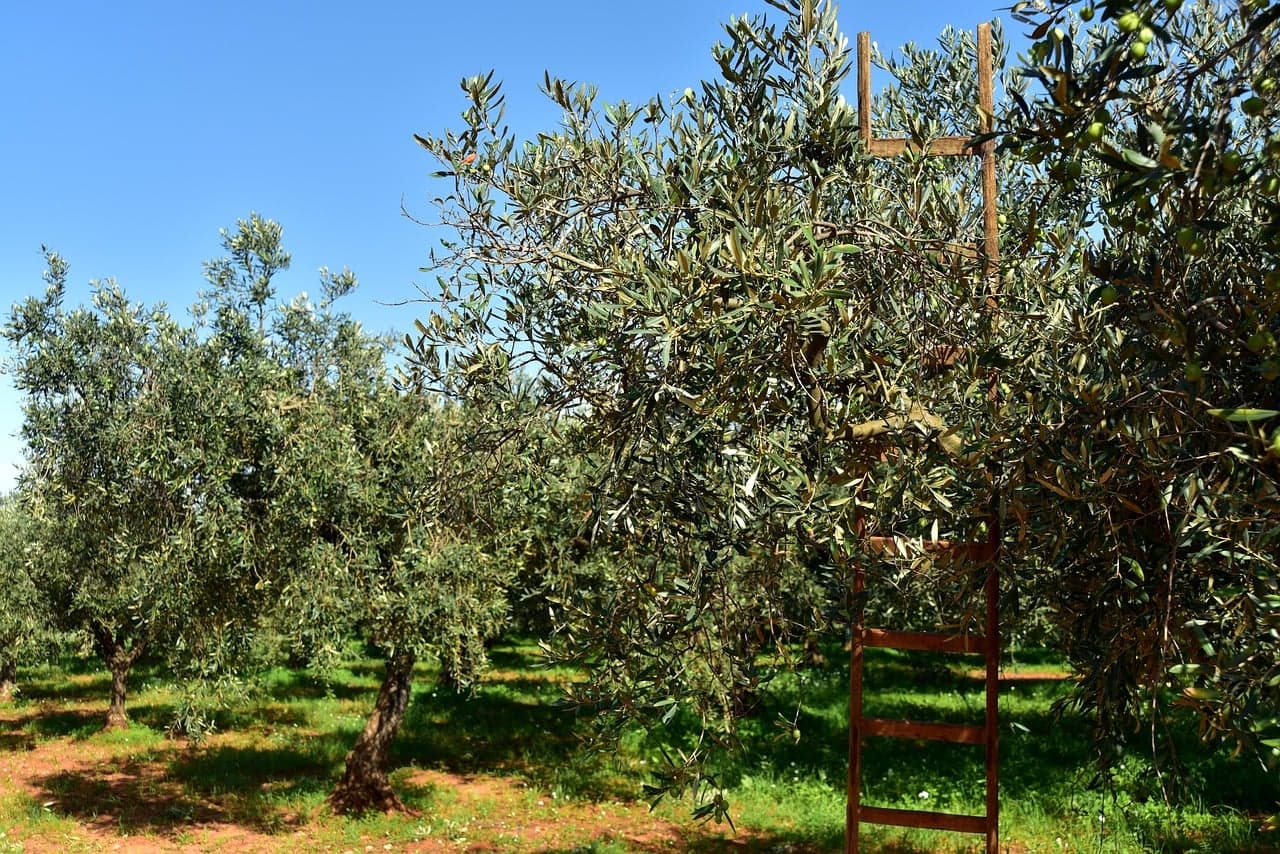
Olive oil is the base of the cuisine; the local oil won a gold medal at an international competition in Berlin in 2020, as Go Türkiye's food guide notes. Look for Kilis tava (meat cooked in a stone oven with regional spices), the registered Kilis sour kebab, katmer with clotted cream and pistachio, geographically indicated cennet çamuru sweet, bread dipped in oil and thyme at breakfast, and gerebiç cookies made with mahlab and walnut. Lebeniye soup is another local favourite.
How many days do you need, and when should you go?
A day and a half to two days is enough. On day one, take in the museum, Mevlevi lodge, Canbolat Pasha Mosque, Great Mosque and Yavaşca Museum, then wander the mansions and kastels in the afternoon. On day two, visit Oylum Höyük and the basilica in the morning and Ravanda Castle later. For other southeastern cities, browse Reads.
Summers are very hot, so spring and autumn work best; pick autumn if you want to see the olive harvest. The easiest way in is by road via Gaziantep, and you will need a car for Oylum Höyük and Ravanda Castle.
Visitor notes
Check opening status on official pages before you travel. Avoid open sites at midday in summer, carry a hat and water, stay on marked paths at excavation sites and do not step on mosaics. Dress modestly and mind prayer times when visiting mosques.
Frequently asked questions
How many days do you need in Kilis?
A day and a half to two days: one for the museums, lodge, mosques and mansion lanes, and the rest for Oylum Höyük, the mosaic basilica and Ravanda Castle.
Why is Oylum Höyük important?
It is a large mound where Anatolian and Mesopotamian cultures met, a regional centre through the Bronze Age with continuous settlement since at least the Late Chalcolithic.
When is the best time to visit Kilis?
Spring and autumn, because summers are very hot; choose autumn to see the olive harvest.
How do you reach Kilis?
Most easily by road via Gaziantep. The centre is walkable, but Oylum Höyük and Ravanda Castle need a car.
Editorial desk
Stories signed by the Cultvia editorial desk follow our editorial policy; every story lists its sources at the end and errors are fixed under our corrections policy.
Last updated:
What changed?
- : First published
Sources
- Gör Kilis — Go Türkiye (Türkiye Turizm Tanıtım ve Geliştirme Ajansı), 27 October 2026
- Kültür Turizm (Müzelerimiz) — T.C. Kilis Valiliği, 27 October 2026
- Geçmişten Bugüne Kilis — T.C. Kilis Valiliği, 27 October 2026
- Taste Local Flavors of Kilis — Go Türkiye (Türkiye Turizm Tanıtım ve Geliştirme Ajansı), 27 October 2026
Up next
 City RoutesParis Photo 2026: opening hours, sectors and what to see13 November 2026 · 1 min read


