Make İzmit your first stop in Kocaeli: the Clock Tower, the Kasr-ı Hümayun and Kapanca Sokak with its wooden houses fit into a single walk, and the Archaeology Museum and the Seka Paper Museum are just a few steps away. North of the gulf are the castles of Hereke and Eskihisar, to the south the forests of Kartepe, and in the north the coves of Kerpe and Kefken opening onto the Black Sea. With two coasts, a mountain and an industrial heritage, Kocaeli fits into a weekend thanks to its closeness to Istanbul.
Why is Kocaeli a route with two seas?
Kocaeli wraps around the Gulf of İzmit at the easternmost end of the Sea of Marmara and has a coastline on the Black Sea to the north. Built on top of a city that, under the name Nicomedia, served as a capital of Rome in antiquity, it is today one of the few places where you can see a museum, a castle, a highland meadow and a beach on the same day. Crafts such as Hereke carpets, Karamürsel baskets and Kandıra cloth also come from this land.
What should you see in İzmit on the first day?
The city's historic centre fits into a few streets climbing from the shore up the slope; you can see all of it on foot.
The İzmit Clock Tower
The tower in the Kemalpaşa neighbourhood was built in 1902 in travertine stone in the neoclassical style, to mark the twenty-fifth anniversary of Abdülhamid II's accession to the throne. Standing right next to the Kasr-ı Hümayun, it is a good meeting point for starting a walk around the city.
The Kasr-ı Hümayun Palace Museum
The architect of this two-storey pavilion, built in the reign of Sultan Abdülaziz, was Garabet Amira Balyan. Its facade is decorated with Baroque-influenced marble cladding, and the painting on its ceiling is the work of a French painter. The palace hosted many important guests in the Ottoman period. Check the current visiting hours on its official page.
Kapanca Sokak and the İzmit History Corridor
Leaning against the slope in the Akçakoca neighbourhood, Kapanca Sokak, with its nineteenth-century wooden houses, is İzmit's most photogenic corner; eighteen of the houses are registered by decision of the conservation board. The street also has a small press museum and a historic bazaar where craft shops are gathered. In the same historic fabric, the Hattat Ali Vasfi İzmidi Calligraphy Museum offers a short but elegant stop with its calligraphy panels and reed pens.
The Süleyman Paşa Hamam
Built in the fourteenth century, the hamam is one of the oldest Ottoman buildings in Kocaeli. In its walls, laid in alternating courses of rubble stone and brick, you can read the plan of an early hamam, from the cool room to the hot room.
The Kocaeli Archaeology Museum
The museum was created by converting the repair workshop, hangar and warehouses of the historic İzmit railway station. The giant statue of Heracles that greets you at the entrance is regarded as the second-largest statue of Heracles in the world. The galleries tell the story chronologically, from Stone Age traces at Kefken to Astacus, founded by the Megarians, and on to Nicomedia; amphorae from underwater research off Kerpe are also on display. Set aside extra time for the sarcophagi and milestones in the garden.
The Seka Paper Museum
The first paper factory, opened in 1936, was taken under protection after production ended and turned into an industrial museum. With its original production machines, printing equipment and handmade paper workshop, this is the place that best tells the story of Kocaeli's industrial memory. The museum ships on the shore can be added to the same seaside walk.
What is there on the north shore of the gulf?
Hereke Castle and the Kaiser Wilhelm Pavilion
The construction of Hereke Castle, on the hill overlooking the gulf, is dated to the seventh century; after restoration, its walls and viewing terraces make it a very good spot for views of the gulf. The Kaiser Wilhelm Pavilion in the Körfez district was built of wood without nails at Yıldız Palace in 1884, brought over by sea in pieces and put up in a single day.
Eskihisar Castle and the Osman Hamdi Bey House
Eskihisar Castle, on a steep hill overlooking the Marmara in Gebze, consists of two parts, an inner and an outer castle, and contains a cistern with eight columns. On the same shore is the house museum that the painter and museum founder Osman Hamdi Bey had built in 1884; examples of the works and personal belongings of the painter, who put the castle on his canvases, are here. Check on its official page before you go whether the house is open to visitors.
Where should you head in Kartepe and the Samanlı Mountains?
Kartepe and Kuzuyayla
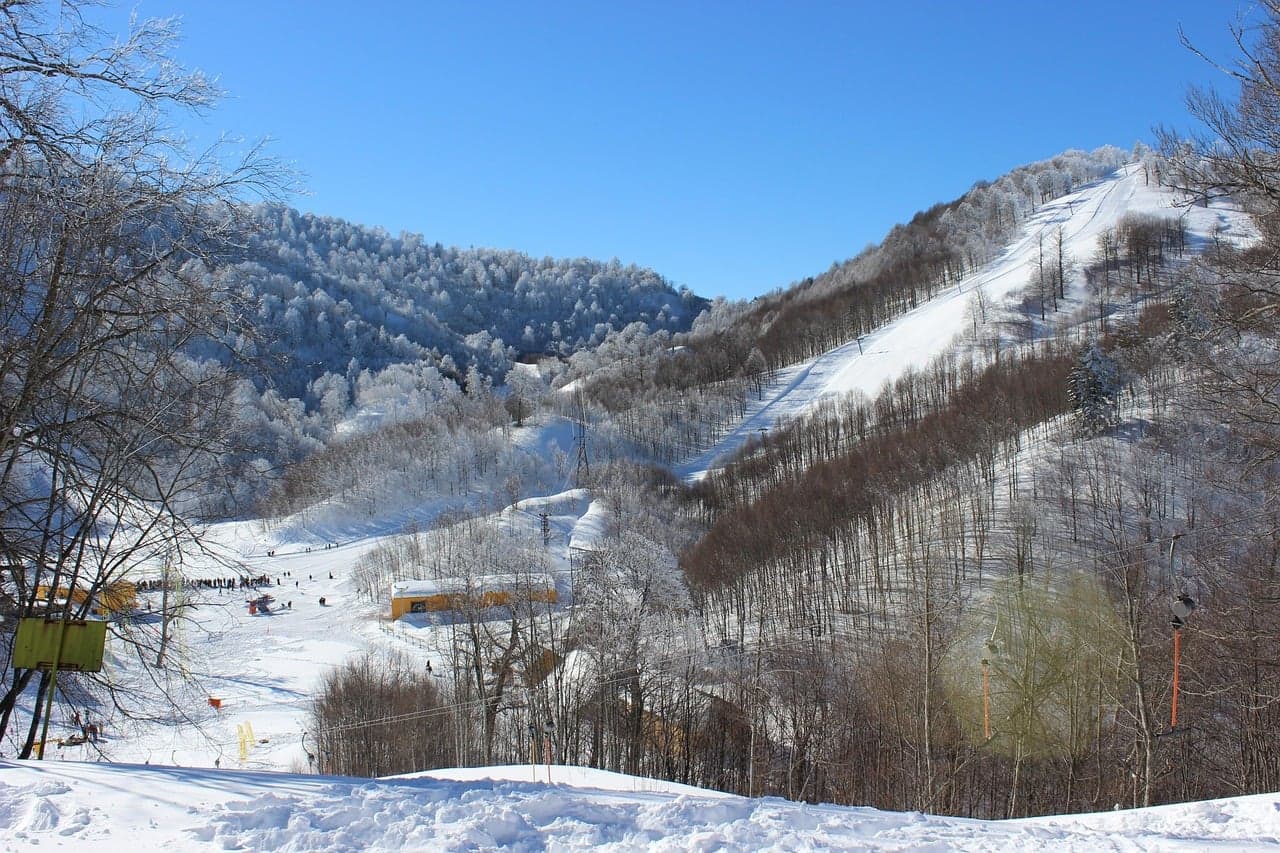
Kartepe, at the top of the Samanlı Mountains, looks out over both the Gulf of İzmit and Lake Sapanca. The ski season usually starts at the end of December. In Kuzuyayla Nature Park nearby you can walk among forests of beech and rhododendron.
Maşukiye and the Serindere Canyon
Maşukiye, on the shore of Lake Sapanca, is a green picnic area stretching along a stream. The Serindere Canyon in Başiskele, with six waterfalls ranging from ten to twenty metres in height, is the most challenging canyon in the area; you should go with an experienced group and the right equipment.
Ormanya
In this large wildlife park in Kartepe, many species, from reindeer to gazelles, live in a natural setting. Walking and cycling trails offer an easy day for families with children.
What is on the Black Sea coast at Kerpe and Kefken?
Kerpe
The ancient name of Kerpe, in the Kandıra district, is Calpe. The sheltered cove was founded as a harbour and market place by colonists from Megara or Miletus; in the Ottoman period it supplied Istanbul's firewood. Because the sea stays shallow for about a hundred and fifty metres in the half-moon-shaped cove, it is little affected by the waves of the Black Sea.
Kefken and the Pink Rocks
Kefken, Kerpe's neighbour, is known for its beaches backed by pine forests. The pink rocks on the shore have been used as a quarry since antiquity; because the stone is soft in the water and hardens once it is taken out, it was cut and carried to Istanbul in the Ottoman period.
What is on the table in Kocaeli?
İzmit pişmaniye and the İzmit simit, baked in a wood-fired oven until golden, are the symbols of the city. Umaç soup and keşkek with dartı are made at weddings, and pide with mancar greens on kandil nights. Kandıra's buffalo yoghurt and its clotted-cream-like dartı are the stars of breakfast; Karamürsel olives and the Eşme quince grown in Kartepe are also on the list of things to taste.
How many days do you need in Kocaeli?
Two days is ideal. A sample route:
- Day one, morning: the Clock Tower and the Kasr-ı Hümayun, then Kapanca Sokak, the Süleyman Paşa Hamam and the calligraphy museum.
- In the afternoon, the Archaeology Museum and the Seka Paper Museum; a walk along the shore in the late afternoon.
- Day two, choose by season: Kerpe and Kefken in summer, Kartepe and Kuzuyayla in winter.
- If you have time left, stop at Hereke Castle or Eskihisar Castle on the way back.
For other routes in the Marmara region, take a look at the City Routes page.
When should you go, and how do you get there?
June to September suits Kerpe and Kefken, and the winter months from the end of December suit skiing on Kartepe. Spring and autumn are the best seasons for comfortably exploring İzmit's streets and walking the canyons. Because Kocaeli is just east of Istanbul, it is easy to reach by road and rail; in the city the historic centre is within walking distance, while for the Kandıra coast and Kartepe you need a vehicle or a district bus.
What should you keep in mind?
- Check the current visiting hours and fees of the museums and pavilions on their official pages.
- Do not enter canyon and waterfall trails such as Serindere and Nüzhetiye in wet weather; plan the walk with a guided group.
- Carry snow tyres and chains on the Kartepe road in winter; check the road conditions before you set off.
- On the Black Sea coast, follow current warnings and swim only at safe beaches.
Frequently asked questions
How many days do you need in Kocaeli?
With one day for İzmit's historic centre and museums and one day, depending on the season, for the Kerpe and Kefken coast or for Kartepe, you can see Kocaeli comfortably in two days.
When is the best time to visit Kocaeli?
June to September suits the sea at Kerpe and Kefken, and the winter months from the end of December suit skiing on Kartepe. Spring and autumn are the most comfortable times for city walks and canyon trails.
How do you get to Kocaeli?
Kocaeli is just east of Istanbul and easy to reach by road and rail. İzmit's historic centre is within walking distance; for the Kandıra coast and Kartepe you need a vehicle or a district bus.
What can you see on foot in İzmit?
The Clock Tower, the Kasr-ı Hümayun Palace Museum, Kapanca Sokak, the Süleyman Paşa Hamam and the calligraphy museum are close together. The Archaeology Museum and the Seka Paper Museum can be added to the same day's walk.
What should you eat in Kocaeli?
İzmit pişmaniye, the İzmit simit baked in a wood-fired oven, umaç soup, keşkek with dartı and pide with mancar greens stand out. Kandıra buffalo yoghurt, dartı, Karamürsel olives and Eşme quince are also well-known local products.
Editorial desk
Stories signed by the Cultvia editorial desk follow our editorial policy; every story lists its sources at the end and errors are fixed under our corrections policy.
Last updated:
What changed?
- : First published
Sources
- Gör Kocaeli — Go Türkiye (Türkiye Turizm Tanıtım ve Geliştirme Ajansı)
- Kocaeli Arkeoloji Müzesi — T.C. Kocaeli Valiliği
- Kerpe — Kültür Portalı – T.C. Kültür ve Turizm Bakanlığı
- Tat Kocaeli — Go Türkiye (Türkiye Turizm Tanıtım ve Geliştirme Ajansı)
Up next
 City RoutesParis Photo 2026: opening hours, sectors and what to see13 November 2026 · 1 min read


