Make your first stop in Malatya Arslantepe Mound, on the UNESCO World Heritage List; one of the oldest known palace buildings in the world and the first metal swords were found here. Then head out through the apricot orchards to the viewing terrace over the Levent Valley and to the Tohma Canyon. With its apricots and dozens of kinds of köfte, the city is also a food route, and you can even climb Mount Nemrut by way of Malatya.
Where should you start in Malatya?
Malatya's story begins at a mound just outside the city. The name of the city, called Maldiya by the Hittites and Melitene by the Romans, has changed over thousands of years to reach its present form.
Arslantepe Mound Open-Air Museum
About seven kilometres north-east of the city centre, at Orduzu, the mound is about thirty metres high and was settled from the fifth millennium BC to the Middle Ages. Excavations have uncovered a mud-brick palace from 3300–3000 BC, an even older temple, more than two thousand seal impressions and the oldest known metal swords and spearheads in the world. These finds show that the first city-state in Anatolia was born here. Arslantepe was added to the UNESCO World Heritage List in 2021; the visitor and welcome centre next to the mound opened in autumn 2025. At the entrance you are greeted by full-size copies of the king's statue and the two lions displayed at the Museum of Anatolian Civilizations in Ankara. Excavations continue every year from summer to autumn, so if you go then, you can watch the work from a distance. Check the current visiting hours on the official page.
The Malatya Archaeology Museum
Finds from the excavations at Arslantepe, Cafer Höyük and other mounds in the province are displayed here in a sequence running from the Neolithic to the Ottoman period; you can also see the oldest swords in this museum. Before your visit, check on its official page whether the museum is open.
What can you see in Battalgazi (Old Malatya)?
Battalgazi, about ten kilometres from the city centre, is Malatya's historic core. We recommend checking on the official pages whether each building here is open to visitors before you go.
The Battalgazi Grand Mosque
Built at the beginning of the thirteenth century, in the reign of the Anatolian Seljuk Sultan İzzeddin Keykavus, the mosque is an important Anatolian example of the plan type with iwans and an open courtyard developed by the Great Seljuks in Iran. It is known for its glazed brick, tile and stucco decoration; the master of the tiles was Yakup of Malatya and the calligrapher of the inscriptions was his son Ahmet. Before your visit, check on its official page whether it is open.
The Silahtar Mustafa Paşa Caravanserai and the walls of Old Malatya
The caravanserai on the trade route to Baghdad was built in 1637 and, after restoration, began to host cultural events. The construction of the nearby walls began in the reign of the Roman emperor Titus and took its final form under Justinian; the part still standing was repaired in 2016. For both buildings, check on the official page whether they are open before your visit.
What can you do in the capital of apricots?
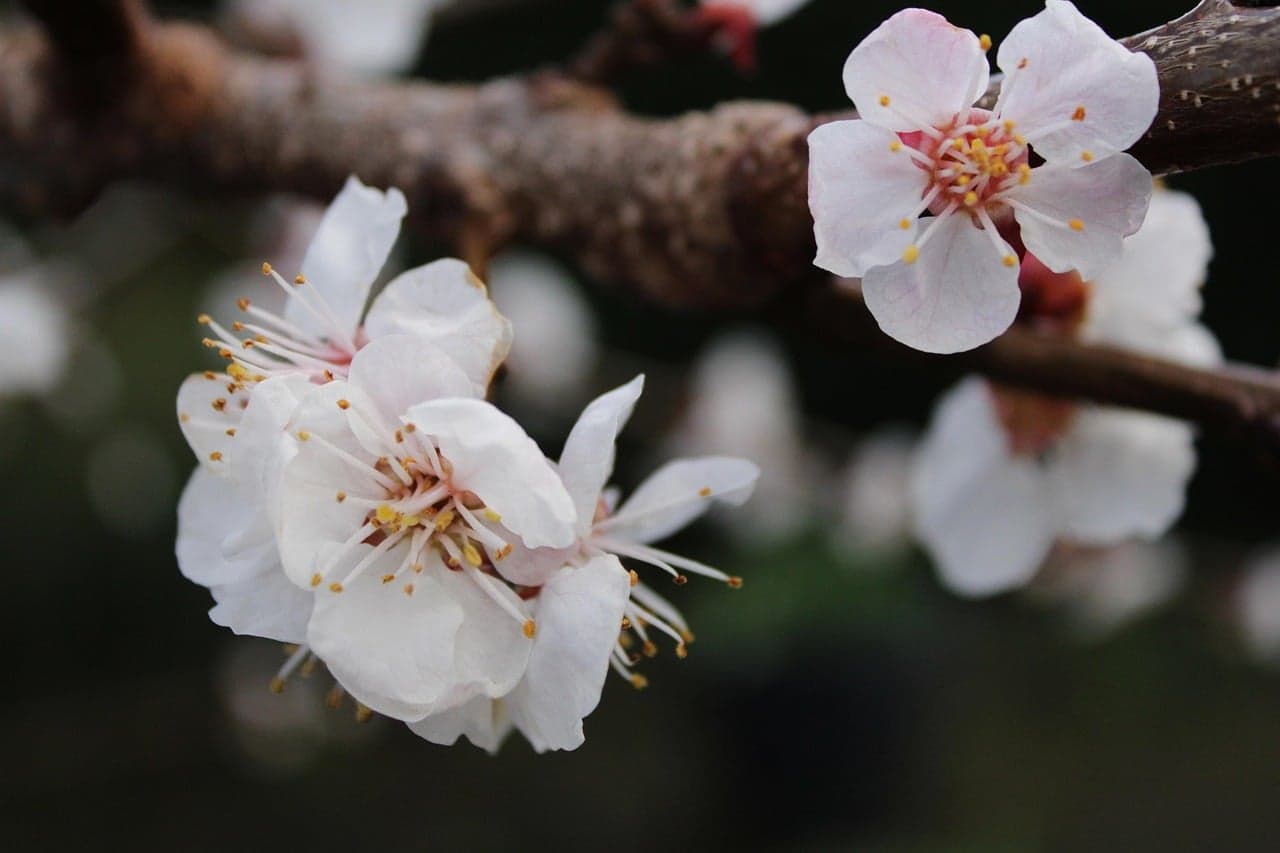
The apricot, which local people call "mişmiş", is Malatya's identity. Apricots are thought to have reached Anatolia in the fourth century BC; today Malatya alone supplies the greater part of the world's dried apricot production. The great majority of the harvest is of the Hacıhaliloğlu variety; Kabaaşı and Soğancı are other varieties you will often come across. In spring, when the trees blossom, the orchards turn white. At the Şire (Apricot) Market in the city, you can see different varieties of dried apricots side by side.
Where are Malatya's canyons and valleys?
The Levent Valley and its viewing terrace
The twenty-eight-kilometre valley in Akçadağ stands out for its cliffs, formed by millions of years of geological movement, and the hundreds of caves in its walls. The viewing terrace on the edge of the valley, one hundred and four metres high, is the easiest way to see the landscape from above. The valley is also suitable for nature walks, rock climbing and camping.
The Tohma Canyon and Darende
In Darende, inside the canyon carved by the Tohma stream, is a complex founded in the name of Somuncu Baba, one of the Sufi mystics of the fifteenth century, and a natural swimming pond called Kudret Havuzu. Zengibar Castle, west of the Tohma stream, is reached by a steep slope between sheer cliffs; wear comfortable shoes for the walk.
The Kayaarası Canyon, the Girmana Valley and the Ansır Caves
In the eighteen-kilometre Kayaarası Canyon in Arapgir, you may spot wild goats among the steep cliffs. The Girmana Valley in Hekimhan has a four-kilometre walking path. The Ansır Caves near Yazıhan are known locally as the Buzluk (Ice) Cave; under the rocks you can see churches and room-like hollows.
How do you climb Mount Nemrut from Malatya?
Most of Mount Nemrut, known for the giant statues of King Antiochus I of Commagene, lies within the borders of Adıyaman, but part of it is in Malatya's Pütürge district. From Malatya you can reach the summit by a road of about ninety-eight kilometres via Pütürge and Tepehan. If you want to watch the sunrise or sunset, set off early and take warm clothes; at the summit the air is cool even in summer.
What is on the table in Malatya?
Malatya is the province where the most varieties of içli köfte are made; traditionally they are not fried but boiled, and melted butter is poured over them. Kiraz yaprağı sarması, rolled in the leaves of the Dalbastı cherry and made without spices, is a dish with a geographical indication. Kağıt kebabı, cooked for hours in a stone oven, analı kızlı köfte, in which one of the dumplings is left as plain dough, and kayısılı gerdan aşı with apricots are also among the dishes you should try. For dessert there is kayısı tatlısı, the apricot dessert, and for the journey home, dried apricots and biscuits made with apricot kernels.
How many days do you need in Malatya?
Two days is ideal; you can add another day for Nemrut. A sample route:
- Day one: Arslantepe Mound and its visitor centre in the morning; the Archaeology Museum in the afternoon (after checking in advance that it is open); the apricot market in the evening.
- Day two: The Levent Valley viewing terrace in the morning; the historic buildings of Battalgazi in the afternoon (after checking in advance that they are open).
- Day three, depending on the season: the Tohma Canyon in Darende, or Mount Nemrut via Pütürge.
For other routes in Eastern Anatolia, take a look at the City Routes page.
When should you go, and how do you get there?
Spring suits the apricot blossom and the summer months suit fresh apricots. Spring and autumn are more comfortable for canyon walks; summer afternoons are hot. Because winter conditions on Nemrut are harsh, plan the summit trip for summer or early autumn. You can reach Malatya by air, road and rail; Arslantepe is reached by city public transport, while you need a vehicle for the valleys.
What should you keep in mind?
- Before your visit, check on their official pages whether museums, archaeological sites and historic buildings are open, along with their current hours and fees.
- In the Levent Valley and the canyons, do not leave the marked paths or go to the edges of the cliffs.
- At Arslantepe, view the excavation area only from the visitor paths and do not touch the finds.
- When buying apricots, ask about the variety and how they were dried; varieties for drying and for eating fresh differ from one another.
Frequently asked questions
How many days do you need in Malatya?
With one day for Arslantepe and the Archaeology Museum and one day for the Levent Valley and Battalgazi, you can see Malatya comfortably in two days. You can add a third day for the Tohma Canyon or Mount Nemrut.
Where is Arslantepe and how do you get there?
Arslantepe Mound is at Orduzu in the Battalgazi district, about seven kilometres north-east of central Malatya. It can be reached by city public transport; check its opening hours on the official page before your visit.
When is the best time to visit Malatya?
Spring, when the apricot trees blossom, and autumn for canyon walks are the most comfortable times. Choose the summer months for fresh apricots, and summer or early autumn for the summit of Nemrut.
Can you go to Mount Nemrut from Malatya?
Yes. Part of Mount Nemrut is in Malatya's Pütürge district; from Malatya you reach the summit by a road of about ninety-eight kilometres via Pütürge and Tepehan.
What should you eat in Malatya?
Boiled içli köfte, kiraz yaprağı sarması with its geographical indication, kağıt kebabı, analı kızlı köfte and kayısılı gerdan aşı stand out. For dessert, try the apricot dessert and Malatya biscuits made with apricot kernels.
Editorial desk
Stories signed by the Cultvia editorial desk follow our editorial policy; every story lists its sources at the end and errors are fixed under our corrections policy.
Last updated:
What changed?
- : First published
Sources
- Arslantepe Höyüğü — T.C. Malatya Valiliği
- Turizm — T.C. Malatya Valiliği
- Gör Malatya — Go Türkiye (Türkiye Turizm Tanıtım ve Geliştirme Ajansı)
- Tat Malatya — Go Türkiye (Türkiye Turizm Tanıtım ve Geliştirme Ajansı)
Up next
 City RoutesParis Photo 2026: opening hours, sectors and what to see13 November 2026 · 1 min read


