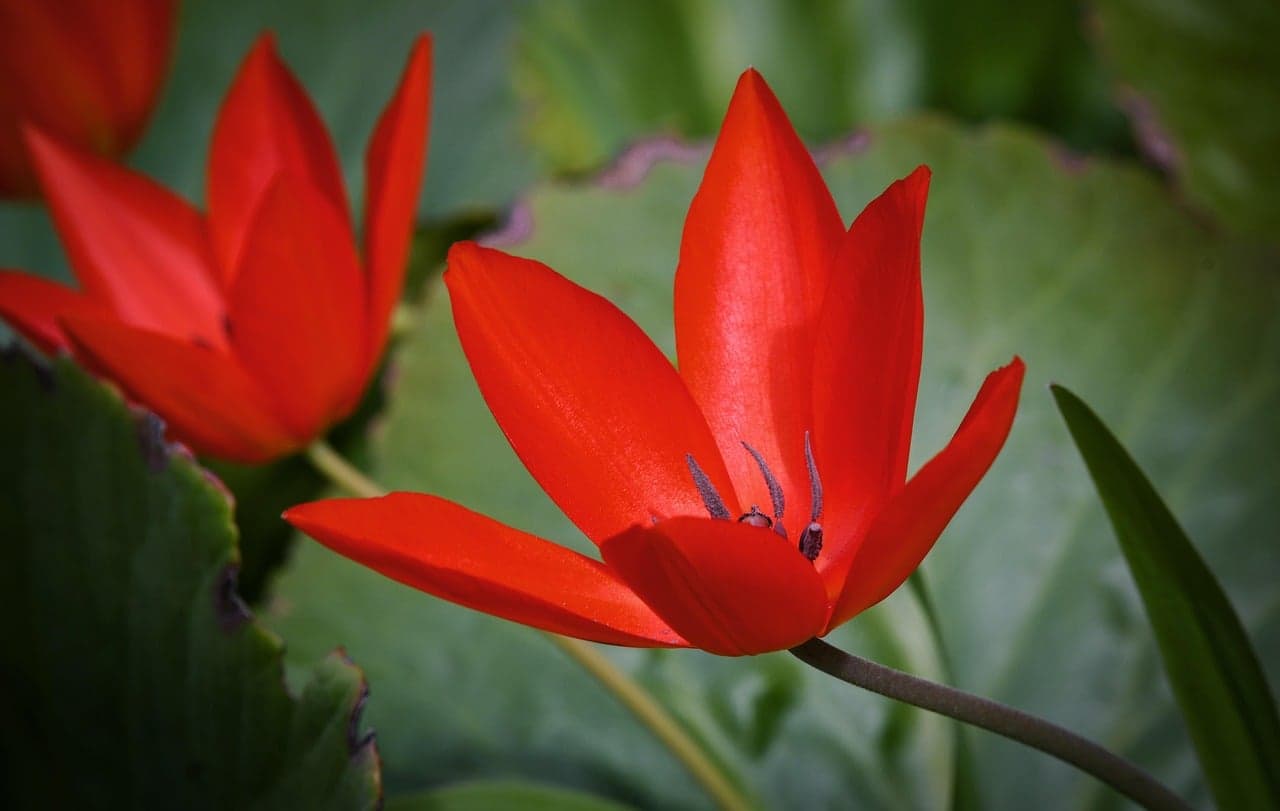
Make your first stops in Muş the Grand Mosque, built at the foot of the castle in the city centre, and the Alaaddin Bey Mosque and Hamam; then head down to the twelve-arched historic bridge over the Murat river. The Muş tulip that paints the plain red in spring, Kayalıdere, the Urartian fortress in Varto, and the double-walled castle of Malazgirt let you get to know the province through its plain, its river and its stone buildings.
Where should you start to understand Muş?
Muş was founded on the north-facing slope of Kurtik Dağı, one of the peaks of the Haçreş Mountains, an extension of the Southeastern Taurus, between the valleys opened by two streams. In front of it lies one of the widest plains in Anatolia, and the Murat river runs through the middle of the plain. The city's historic buildings are gathered on this slope, within walking distance of one another.
Muş Castle
It is not known for certain when the castle, regarded as one of the city's oldest structures, was built. The area west of the castle has been laid out as a park and is today one of the favourite picnic spots of the people of Muş. If you start your walk here, you will see from above how the city leans towards the plain.
The Muş Grand Mosque
Standing on sloping ground at the foot of the castle, the mosque has an inscription over its entrance showing the year 1571. The original minaret of the building, which has a transverse rectangular plan, has not survived; today's minaret was rebuilt in 1968, faithful to the original.
The Alaaddin Bey Mosque
Built at the beginning of the eighteenth century by Alaeddin Bey, the governor of the city, the mosque has some of the finest stonework in Muş. The mihrab in the square main space is decorated with colonnettes and plant motifs; on either side of the portal are relief motifs of oil lamps. Its minaret, with a square base and a cylindrical shaft, is built of cut stone in two colours.
The Alaaddin Bey Hamam
Sharing the same building materials and architectural language as the mosque, the hamam dates from the late Ottoman period and is still in use. Plant motifs stand out in its interior decoration. Do not forget to look for the tortoise relief at the entrance to the large lounge; it is the hamam's most charming detail.
What is there along the Muş Plain and the Murat river?
The historic Murat Bridge
About twelve kilometres south of the city centre, the bridge over the Murat river is known to have been built in the Seljuk period, in the thirteenth century, although the date of its first construction is not certain. The marble inscription on it shows that it was repaired in 1871, in the Ottoman period. The bridge, one hundred and forty-three metres long, has twelve arches and is still in use today. Go in the late afternoon: when the lights come on, the bridge is reflected in the water. A legend told by local people says that a jar of gold was buried under one of the bridge's piers.
The Muş tulip
Muş is part of the region regarded as the homeland of the tulip. The Muş tulip, known for its red petals and spear-shaped leaves, grows from a bulb; each bulb produces a single flower, which stays open for only about fifteen days. Between late April and early May, the plain turns red. The tulip fields have been taken under protection. The tulip festival, first held in 2000, celebrates this short season every spring.
Yağcılar (Evran) Höyük
About twenty-four kilometres north-west of Muş, on the Muş–Elazığ road, the mound cannot be seen in full because of the dense settlement on top of it. Pottery fragments found around it show that the site was a settlement in the Urartian period. Spotting these old settlements spread across the plain from the road reminds you how long people have lived in Muş.
In which districts are the Urartian and medieval castles?
Muş lay on the road running west from Tushpa, the capital of the Urartian Kingdom. That is why you often come across Urartian fortresses and rock settlements in its districts.
The Kayalıdere archaeological site (Varto)
The Urartian settlement in Kayalıkaya village, about twenty kilometres from Varto, came to light in excavations in 1965. The excavations uncovered a fortress, a temple, a wine cellar and tombs. The fortress is dated to the reign of the Urartian King Sarduri II and is in quite good condition. A bronze lion statuette found in the courtyard and belt fragments showing a lion hunt are on display at the Museum of Anatolian Civilizations in Ankara.
Malazgirt Castle
Malazgirt, where according to tradition the Urartian King Menua founded a city, is a district that entered the history books with the Battle of Malazgirt (Manzikert) in 1071. Two parallel walls surround the district. Although the walls have been brought down by various disasters over time, repairs have kept them standing. The wide landscape where the battle took place is protected as a historic site extending across the borders of Muş and Bitlis.
The Bostankale, Tıkızlı and Katerin castles
Bostankale, about ten kilometres from Malazgirt, is an Urartian fortress built by carving into a large rock mass. The castle in Tıkızlı village was built on a hill by piling up large stones without mortar. Katerin (Zincirli) Kale, the Byzantine structure on Katerin Dağı, is said in legend to have been linked to Malazgirt Castle by a bridge of thick chains.
Which historic buildings are hidden in the mountains?
The Arak Monastery
It stands on the wide plateau of a summit east of the Karaçavuş Mountains that is used today as a highland pasture. About two hundred metres beyond the building stands a large bell tower; the Roman style is evident in the workmanship. The name of the village on the slopes that gave the monastery its name, "arak", means wine in Persian and suggests that grape juice was once pressed here.
The Esenlik Mosque (Bulanık)
The mosque in Esenlik village in the Bulanık district is a Seljuk work built of Ahlat stone in 1194. The plain building, with a single dome, four windows and two doors, has four more small windows in its dome. The region's famous Ahlat stone gives this small building a texture of its own.
What is on the table in Muş?
The long winter has based Muş cuisine on livestock and winter preparations. Helimaşı soup, made with meat boiled until it falls off the bone, chickpeas and lentils; herse, with sizzling butter poured over boiled meat and wheat; and Muş köftesi, filled with minced meat and walnuts and boiled, are the foundations of the table. Cabbage is known locally as kelem: hez dolması, stuffed with meat and rice, and çorti pickles, soured with chickpeas or sourdough instead of vinegar, are the best-known ways of preparing it. Cavbelek, made with dried yoghurt (kurut), kırçik, prepared with cucumber peel, and teter helvası, in which village bread with grape molasses meets clotted cream and hazelnuts, are also worth trying. You may want to take home some light-coloured Muş honey, made from the endemic plants of the plain and the surrounding mountains.
How many days do you need in Muş?
Two days is enough; you can add another day for Malazgirt and Varto. A sample route:
- Day one, morning: Muş Castle and the Grand Mosque, then the Alaaddin Bey Mosque and Hamam.
- In the afternoon, go down to the historic Murat Bridge; watch the lights come on in the late afternoon.
- Day two: leave early in the morning for Malazgirt: Malazgirt Castle, Bostankale and Tıkızlı.
- On the way back, stop at the Esenlik Mosque in Bulanık; if you have time, see Kayalıdere on the Varto side on a third day.
For other routes in Eastern Anatolia, take a look at the City Routes page.
When should you go, and how do you get there?
Late April to early May is the best time for the tulip season, and June to September for going up to the castles and the highland pastures. Muş lies on a high plain; winters are long and snowy, and summer nights are cool. You can reach the city by air or by road. The Murat Bridge is reached by turning off at the signposted junction on the Muş–Bingöl road and continuing for about two kilometres; for Malazgirt, Varto and Bulanık you need a vehicle.
What should you keep in mind?
- Check with official sources whether archaeological sites and castles are open to visitors, along with current hours and conditions.
- In the tulip fields, walk only on the paths; do not pick flowers or dig up bulbs, as the fields are protected.
- Visit mosques outside prayer times and in suitable clothing; if you want to use the hamam, find out its schedule in advance.
- Ask about road conditions before going to the rural castles and the monastery on the highland pasture; in winter these roads can be closed by snow.
Frequently asked questions
How many days do you need in Muş?
With one day for the castle, mosques and hamam in the city centre and the Murat Bridge, and one for Malazgirt and Bulanık, you can see Muş comfortably in two days. You can add a third day for Kayalıdere in Varto.
When does the Muş tulip bloom?
The Muş tulip blooms between late April and early May and stays open for only about fifteen days. The tulip fields are protected, and a tulip festival celebrating this short season is held every spring.
How do you get to the Murat Bridge?
The bridge is about twelve kilometres south of central Muş. Turn off at the signposted junction on the Muş–Bingöl road and continue for about two kilometres to reach it.
When is the best time to visit Muş?
Late April and early May suit the tulips, and June to September suits trips to the castles and highland pastures. Winters are long and snowy, and summer nights are cool.
What should you eat in Muş?
Helimaşı soup, herse, Muş köftesi, hez dolması, kırçik, cavbelek and teter helvası stand out. Try çorti pickles made without vinegar, and do not forget to take home light-coloured Muş honey.
Editorial desk
Stories signed by the Cultvia editorial desk follow our editorial policy; every story lists its sources at the end and errors are fixed under our corrections policy.
Last updated:
What changed?
- : First published
Sources
- Gör Muş — Go Türkiye (Türkiye Turizm Tanıtım ve Geliştirme Ajansı)
- Tarihi Murat Köprüsü — T.C. Muş Valiliği
- Muş Lalesi — T.C. Muş Valiliği
- Taste the Flavors of Mus Guide — Go Türkiye (Türkiye Turizm Tanıtım ve Geliştirme Ajansı)
Up next
 City RoutesParis Photo 2026: opening hours, sectors and what to see13 November 2026 · 1 min read


