Make your first stop in Sakarya the Justinian Bridge, over the stream that carries the waters of Lake Sapanca to the Sakarya river; more than fourteen centuries old, this stone bridge is one of the grandest structures of the Early Byzantine period in Anatolia. Add the Orhan Mosque and the Uzun Çarşı in Adapazarı, a nailless wooden mosque in Kaynarca, the lead-domed Yunus Paşa Mosque in Taraklı and the water-lily-covered Acarlar Longoz, and you get to know Sakarya through water, stone and wood.
What should you see first in Sakarya?
Sakarya's past goes back to the eighth century BC. The Phrygians, Lydians and Persians passed through this land, but it was the Roman and Byzantine periods that really shaped the region's ancient identity. The greatest trace of that era stands just outside the city centre.
The Justinian Bridge
Built in AD 558–560 on the orders of the Byzantine emperor Justinian, the stone bridge stands over the Çark stream (ancient Melas), which drains the waters of Lake Sapanca into the Sakarya river. It is three hundred and sixty-five metres long and has twelve arches. The story behind its local name, "Beş Köprü" (Five Bridges), is intriguing: the Latin word "pons", meaning simply "bridge", came to be mistaken over time for a proper name, turning into Pontogephyra and then Pentegephyra, that is, Five Bridges; yet the bridge has neither five sections nor five arches. Look for the traces of an arch at its western end and the remains of an apsed structure at its eastern end. The bridge was added to the UNESCO World Heritage Tentative List in 2018; it is about eight kilometres from the city centre and can be reached by city transport.
How do you spend a day in the Adapazarı bazaar?
Central Adapazarı, with its bazaar from the Ottoman period, is where daily life flows. The stops here are close together, so you can explore on foot.
The Orhan Mosque
Built by Konuralp Bey in the name of Orhan Gazi, the mosque is made of cut stone, has no dome and a single minaret, and is rectangular in plan. The building was completely renewed in the reign of Sultan Abdülhamit II. In the middle of the bazaar, it is a nice stop for a short break from shopping.
The Uzun Çarşı
Right next to the Orhan Mosque, the bazaar is made up of about a hundred shops and is foremost among the oldest and most deep-rooted bazaars in Adapazarı surviving from the Ottoman period. It is still one of the city's main shopping centres today. Wander among the shopkeepers with tea and simit; this is where you will best feel the rhythm of the city.
The Sakarya Museum
In the museum's garden, architectural fragments, gravestones, altars, inscribed stones and terracotta storage jars from the Roman and Byzantine periods found within the province are on display. In the galleries there are prehistoric hand axes, terracotta vessels, perfume and tear bottles, as well as copper vessels, seals and handiwork from the Ottoman and Republic periods. Check the current hours and fees on the museum's official page.
The Old Sakarya Bridge
The arched bridge over the Sakarya river, built in 1936–1937, is part of the architectural heritage of the early decades of the Republic. Also known as the Trabzanlar or Güneşler Bridge after nearby settlements, it is today a symbol that appears on the city's emblems. Spend some time on the bank by the bridge to watch the river flow.
Which districts should you visit for wooden and stone mosques?
The Şeyh Muslihiddin Mosque (Kaynarca)
The mosque in Kaynarca was built in 1486 in the name of Şeyh Muslihiddin, one of the architects of Sultan Mehmed the Conqueror, and is one of the finest surviving examples of early Ottoman wooden architecture. No metal nails were used in the building: the wooden elements were fitted into one another and fixed with wooden pegs. This technique is called çantı. Take a close look at the Empire-style decoration of the mosque, which appears entirely wooden inside and out.
The Yunus Paşa Mosque (Taraklı)
In Taraklı, about sixty-two kilometres from the city centre, the mosque built in 1517 by the Grand Vizier Yunus Paşa is known locally as the Kurşunlu Camii (Lead Mosque) because its dome is covered with lead. Built on a square plan in cut stone, the building has three iwans on its front facade, carried by four marble columns. The facade walls and eave cornices are of finely carved küfeki limestone. While you are in Taraklı, also walk the old streets around the mosque.
What can you see in the longoz forest?
The Acarlar Longoz
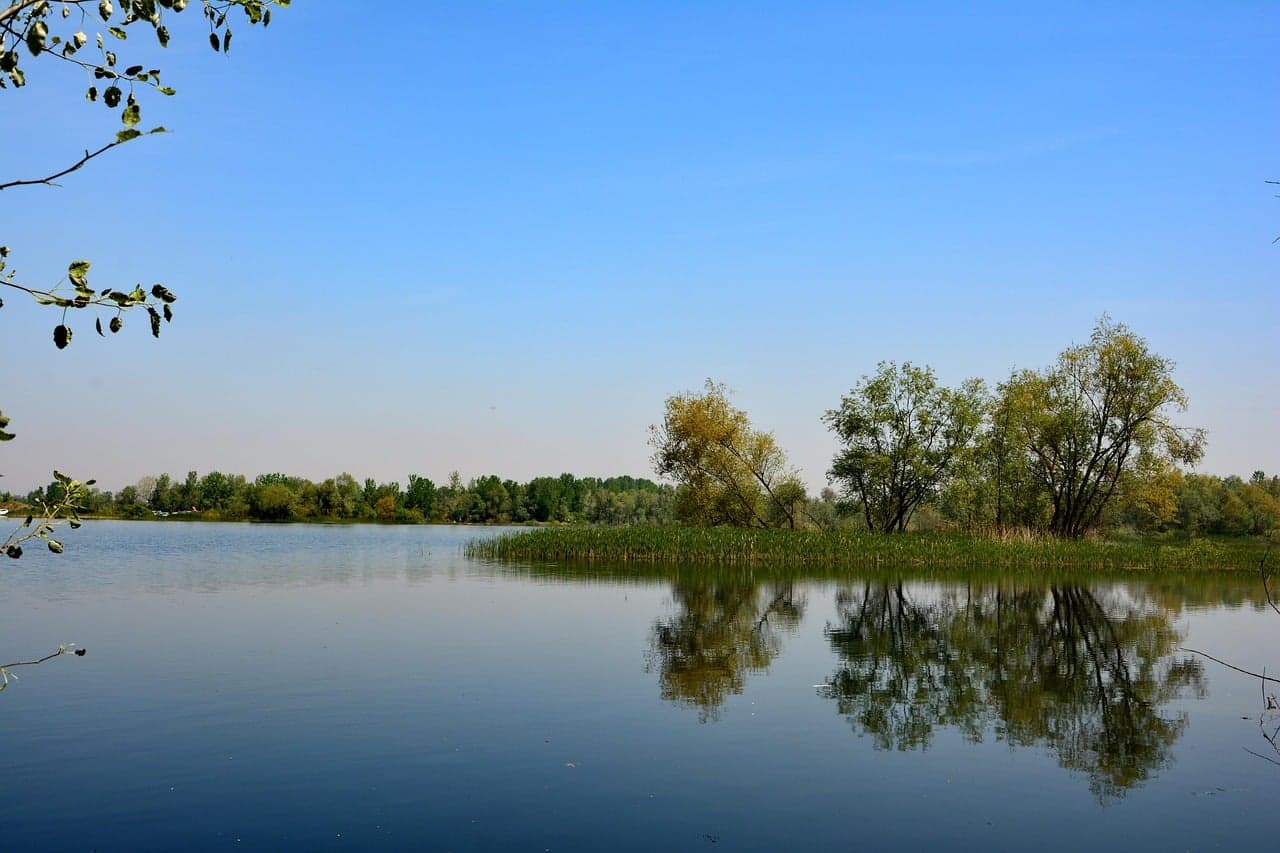
On the border between Kaynarca and Karasu, the Acarlar Longoz is a flooded forest that fills with water in winter and drains in summer. The depth of the area, which covers more than one thousand five hundred hectares, does not exceed one and a half metres; the parts that dry out are used for farming in summer. The longoz is surrounded by ash forests, and the trees push into the marsh in places. Water lilies and lake tulips decorate the surface of the water; birds such as pheasant, woodcock and wild duck and fish such as wels catfish, carp and pike live here. On the Karasu side there are facilities such as a walking path, rowing boats, pedal boats and a picnic area; it is ideal for a quiet nature walk.
What is on the Sakarya table: ıslama köfte and pumpkin dessert?
Sakarya's dish known across the country is ıslama köfte: the köfte, made from the meat of pasture-raised animals, comes with bread dipped in meat stock and a red-pepper-flake sauce. For dessert, pumpkin comes first: balkabağı kıvırması, in which grated pumpkin and walnuts are scattered between thin sheets of dough and rolled up, and kabak tatlısı stand out. Keşkek with dartı, the dish of weddings and special guests, Geyve quinces, müşküle grapes, köpük helva, smoked cheese, kaçamak and asude with grape molasses are also among the things you should try.
How many days do you need in Sakarya?
Two days is enough. A sample route:
- Day one: the Justinian Bridge in the morning; in the afternoon, the Orhan Mosque, the Uzun Çarşı, the Sakarya Museum and the Old Sakarya Bridge in Adapazarı. Islama köfte for dinner.
- Day two: north to the Şeyh Muslihiddin Mosque in Kaynarca and the Acarlar Longoz.
- If you can spare another day, cross south-east to Taraklı and explore the Yunus Paşa Mosque and the old streets.
For other routes around the Marmara, take a look at the City Routes page.
When should you go, and how do you get there?
Spring and autumn are the most comfortable seasons for seeing the bridge and the bazaar and heading out to the districts. If you want to see the longoz full of water, choose late winter and spring; in summer the water recedes and part of the area turns into fields. Because Sakarya lies on the main transport line between Istanbul and Ankara, it is easy to reach by road and rail. The stops in the centre are reached by city transport, while you need a vehicle for Kaynarca and Taraklı.
What should you keep in mind?
- Check the current visiting hours and fees of museums and historic buildings on their official pages.
- Visit mosques outside prayer times and in suitable clothing; in the wooden mosques, do not touch the interior decoration.
- The Acarlar Longoz is protected; do not leave the marked paths, disturb the birds or leave litter.
- Plan your drive to and from Taraklı and Kaynarca in daylight; the roads between the districts run through the countryside.
Frequently asked questions
How many days do you need in Sakarya?
With one day for the Justinian Bridge and central Adapazarı and one for Kaynarca and the Acarlar Longoz, you can see Sakarya comfortably in two days. You can add a third day for Taraklı.
Why is the Justinian Bridge called Beş Köprü (Five Bridges)?
The Latin word pons, meaning bridge, came to be mistaken for a proper name and turned into Pontogephyra and then Pentegephyra, that is, Five Bridges. In fact the bridge has twelve arches and is not made of five sections.
When should you visit the Acarlar Longoz?
The longoz fills with water in winter and drains in summer. Late winter and spring are the time to see it full of water, and the facilities on the Karasu side suit walks and boat trips.
How do you get to Sakarya?
Because Sakarya is on the main transport line between Istanbul and Ankara, it is easy to reach by road and rail. The Justinian Bridge is about eight kilometres from the city centre.
What should you eat in Sakarya?
Islama köfte, balkabağı kıvırması, kabak tatlısı and keşkek with dartı stand out. Geyve quinces, müşküle grapes, köpük helva and smoked cheese are also well-known flavours of the region.
Editorial desk
Stories signed by the Cultvia editorial desk follow our editorial policy; every story lists its sources at the end and errors are fixed under our corrections policy.
Last updated:
What changed?
- : First published
Sources
- Gör Sakarya — Go Türkiye (Türkiye Turizm Tanıtım ve Geliştirme Ajansı)
- Justinianus Köprüsü — Kültür Portalı – T.C. Kültür ve Turizm Bakanlığı
- Yunus Paşa Camii — Kültür Portalı – T.C. Kültür ve Turizm Bakanlığı
- Acarlar Longozu — T.C. Sakarya Valiliği
Up next
 City RoutesParis Photo 2026: opening hours, sectors and what to see13 November 2026 · 1 min read


