Make your first stops in Samsun the hill with the tumuli of ancient Amisos and, right after it, the Samsun Museum, which displays the gold jewellery of the Amisos treasure. The Göğceli Mosque in Çarşamba is one of the oldest wooden mosques still standing in Türkiye, while the birdwatching towers of the Kızılırmak Delta and the Şahinkaya Canyon turn the city into a nature route.
What should you see in central Samsun?
Samsun's past goes back to the Kaskians and the Hittites, then to the Pontic, Roman, Byzantine and Ottoman periods. Amisos, the harbour city of antiquity, was founded on the hill north-west of today's city; the stops in the centre show these layers one after another.
Amisos Hill and the Baruthane Tumuli
The tumuli on the hill, one of the oldest known settlement areas of the city, date from the third century BC, the Hellenistic period. Gold jewellery and glass vessels were found in the tombs of wealthy families of Amisos, an important harbour in Black Sea trade. You can ride a cable car up the hill; from the viewing terrace you see the sea and the city together.
The Samsun Museum
The museum's most popular collection is the Amisos treasure, found in a burial chamber: Hellenistic gold jewellery belonging to a man, a woman and a young girl shows the goldsmithing skill of the period. A bronze spearhead decorated in relief on both faces, skulls from the Early Bronze Age and a bronze statue of an athlete are among the other highlights. There are also coins from the Classical period to the Republic and a separate ethnography section. Check the current hours and fees on the museum's official page.
The City Museum
It is housed in two historic wooden buildings built in 1928 and used for many years as housing for railway workers. Since 2013, its themed sections have told Samsun's social, cultural, geographical and economic story through documents and objects. It is a good introduction for getting to know the city.
The Bandırma Steamer Museum
The replica of the Bandırma steamer, which arrived in Samsun on 19 May 1919, the date regarded as the start of the War of Independence, opened in 2003. Together with the landscaping around it, the area has become an open-air museum recalling this historic voyage.
Batıpark, Amazon Village and the Atakum shore
Amazon Village in Batıpark is a themed area dedicated to the Amazon women warriors, who ancient sources say made their home on the shores of the Black Sea; its statues and symbolic structures make Samsun's link with mythology visible. On the Atakum shore stretching west, cycling and walking paths run for kilometres and are ideal for summer evenings.
Why should you go to Çarşamba and Tekkeköy?
The Göğceli Mosque
The mosque inside the Gökçeli Cemetery in Çarşamba is one of the oldest wooden mosques still standing in Türkiye. It has no inscription, but tests on wood samples have shown that it was built in 1206 and that the portico in front of it was added or repaired in 1335. The walls are made of single planks twelve to twenty metres long, joined at the corners with dovetail-like notched joints; almost no nails were used in the building. The real treasure is on the ceiling: hand-painted floral designs made with natural root dyes form a different composition on almost every board, and no other building in Anatolia has anything like them. Take time inside to look up at the ceiling.
The Tekkeköy Stone Windmill
Built in the 1860s in Çırakman village, the mill is the only historic windmill with a stone body on the Black Sea. Visited by many people every year, it is one of the favourite spots of newly married couples for photographs.
The Tekkeköy Caves Archaeological Valley
In the valley with caves holding remains from the Hittite period and the Early Bronze Age, a museum house created by restoring a registered historic house has welcomed visitors since 2014. Copies of the finds are displayed here; stopping at the museum house before exploring the valley makes the site easier to understand.
What are the two ends of the Kızılırmak, the delta and the canyon, like?
The Kızılırmak, which rises at Kızıldağ in Sivas and flows into the sea at Bafra at the end of a journey of more than one thousand three hundred kilometres, is the river that shapes Samsun's nature.
The Kızılırmak Delta Bird Paradise
Formed from the clay and sand the river has carried for thousands of years, the delta spreads across the Ondokuzmayıs, Bafra and Alaçam districts. With its lakes, reedbeds and marshes, dunes and flooded forests, it is one of the most important wetlands on the Black Sea coast. Protected as a Ramsar site, the delta is also on the UNESCO World Heritage Tentative List. More than a third of the bird species recorded in Türkiye have been seen here; the symbols of the area are the water buffalo and the crane. With its visitor centre, birdwatching towers and walking paths, it can be explored all day. Do not forget to bring your binoculars.
The Şahinkaya Canyon
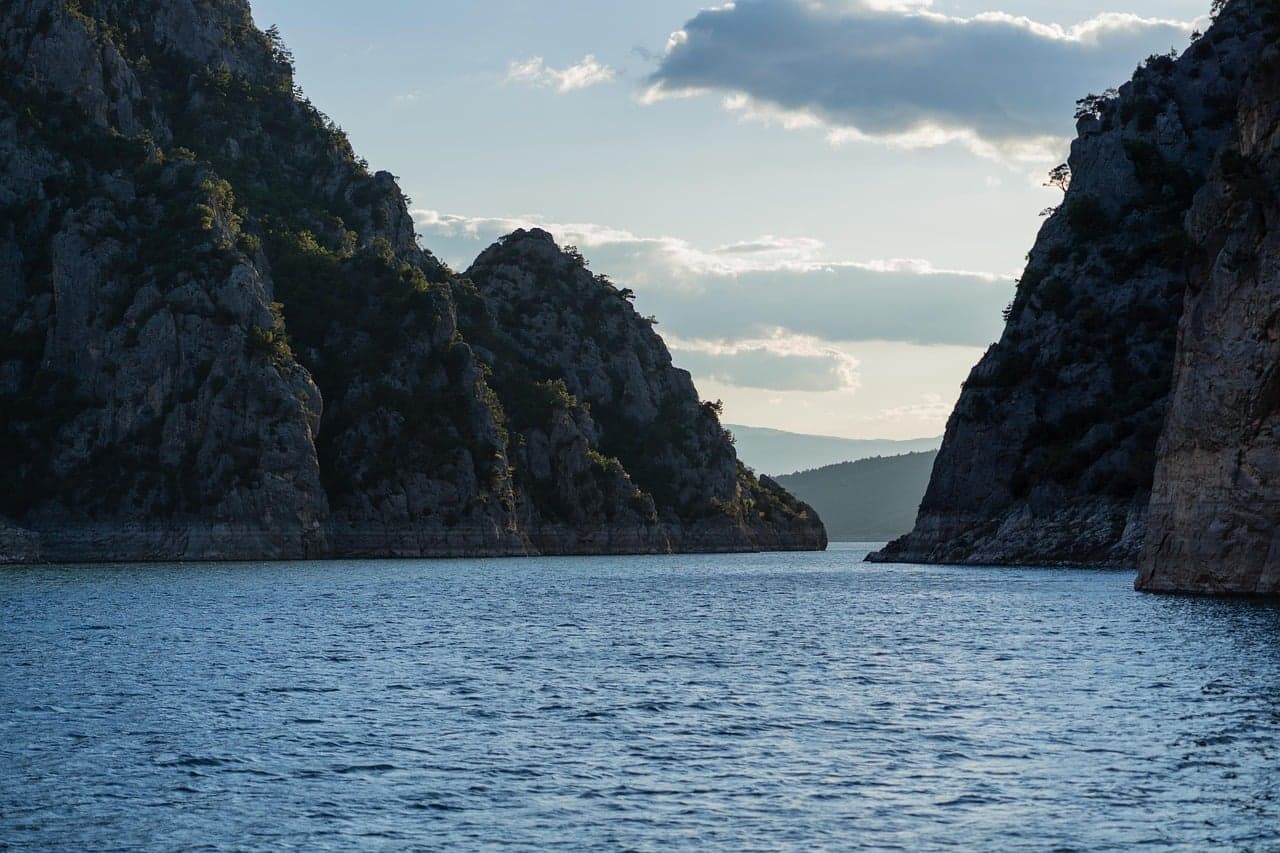
The canyon in Vezirköprü was carved among sheer rocks by the Kızılırmak over thousands of years; it took on its present appearance when the waters of the Altınkaya Dam Lake rose. Slopes rising hundreds of metres, dense vegetation and the river's colourful water make the canyon one of Samsun's most impressive nature stops.
Asarkale, the rock tombs and Kolay
Asarkale, on the shore of the lake formed by the Derbent Dam, sits on top of a giant rock mass; you climb it step by step on stairs rising from a hidden passage. The rock tombs carved into the steep cliffs on both sides of the dam lake and the Akalan waterfalls are on the same route.
What is there in Vezirköprü and Ladik?
The Vezirköprü houses and the bedesten
With their distinctive masonry and timber-frame structure, the Vezirköprü houses reflect the Ottoman architectural approach and its woodwork. The bedesten, with its four arched doors and an interior once used as a caravanserai, and the arasta show the district's historic commercial life. At the district's deer breeding farm, endangered red deer are raised in a protected setting and released into the wild.
Ladik Akdağ Ski Centre
On Akdağ, seven kilometres from Ladik, the ski centre set up between the Uzunyazı and Yemişen hills is known as the only ski centre in the central Black Sea region. It gets crowded at weekends in winter; set off early.
What is on the Samsun table: pide, tirit and nokul?
Besides Black Sea flavours, Samsun cuisine also includes Anatolian, Balkan and Caucasian tastes. Samsun pide, associated with Bafra and Terme, tirit made with goose, turkey, duck or chicken, keşkek, a must at weddings, and Çarşamba kıvratması are the best-known dishes. Çakallı menemen, Ladik et tandırı and the fish and mantı of Yakakent are also worth trying. Collard green soup, sarma and kuymak made with corn flour are flavours shared across the Black Sea; on your way home, do not forget to buy Bafra nokulu, and in summer to drink Terme lemonade.
How many days do you need in Samsun?
Three days is ideal. A sample route:
- Day one: Amisos Hill, the Samsun Museum, the City Museum and the Bandırma Steamer Museum; Batıpark and the Atakum shore in the late afternoon.
- Day two, to the east: the windmill and archaeological valley in Tekkeköy, then the Göğceli Mosque in Çarşamba.
- Day three, to the west: the Kızılırmak Delta towards Bafra; if you have time, Vezirköprü and the Şahinkaya Canyon on a fourth day.
For other routes on the Black Sea coast, take a look at the City Routes page.
When should you go, and how do you get there?
June to September suits the coast and the canyon, while spring and autumn suit birdwatching, as this is when migrating birds stop at the delta. In winter, go to Ladik for skiing. You can reach Samsun by air via the airport in Çarşamba or by road along the Black Sea coastal road. The stops in the centre are close to one another; for the delta, Çarşamba and Vezirköprü you need a vehicle.
What should you keep in mind?
- Check the current hours and fees of museums and archaeological sites on their official pages.
- In the delta, do not leave the designated walking paths; do not disturb the birds or the water buffalo, and keep quiet in the breeding season.
- The Göğceli Mosque is both a place of worship and a historic monument; go outside prayer times and do not touch the wooden surfaces.
- In the canyon and at Asarkale, keep away from the edges of the cliffs; wear sturdy shoes on the rock steps.
Frequently asked questions
How many days do you need in Samsun?
With one day for the city centre, one for Tekkeköy and Çarşamba and one for the Kızılırmak Delta, you can see Samsun comfortably in three days. You can add a fourth day for Vezirköprü and the Şahinkaya Canyon.
When should you visit the Kızılırmak Delta?
You can visit the delta in every season; spring and autumn are especially rewarding for birdwatching. The visitor centre, observation towers and walking paths are in the area towards Bafra.
Why is the Göğceli Mosque important?
The Göğceli Mosque is one of the oldest wooden mosques still standing in Türkiye and was built with single planks and almost no nails. Its ceiling designs, hand-painted with root dyes, have no equal in any other building in Anatolia.
How do you get to Samsun?
You can reach Samsun by air via the airport in Çarşamba or by road along the Black Sea coastal road. You need a vehicle for the delta, Çarşamba and Vezirköprü.
What should you eat in Samsun?
Bafra and Terme pide, goose or turkey tirit, keşkek, Çarşamba kıvratması, Çakallı menemen and Ladik et tandırı stand out. Also try Bafra nokulu and Terme lemonade.
Editorial desk
Stories signed by the Cultvia editorial desk follow our editorial policy; every story lists its sources at the end and errors are fixed under our corrections policy.
Last updated:
What changed?
- : First published
Sources
- Gör Samsun — Go Türkiye (Türkiye Turizm Tanıtım ve Geliştirme Ajansı)
- Kızılırmak Deltası, Kuş Cenneti ve Mandacılık — T.C. Samsun Valiliği
- Göğceli Camii — Kültür Portalı – T.C. Kültür ve Turizm Bakanlığı
- Taste the Flavors of Samsun Guide — Go Türkiye (Türkiye Turizm Tanıtım ve Geliştirme Ajansı)
Up next
 City RoutesParis Photo 2026: opening hours, sectors and what to see13 November 2026 · 1 min read


