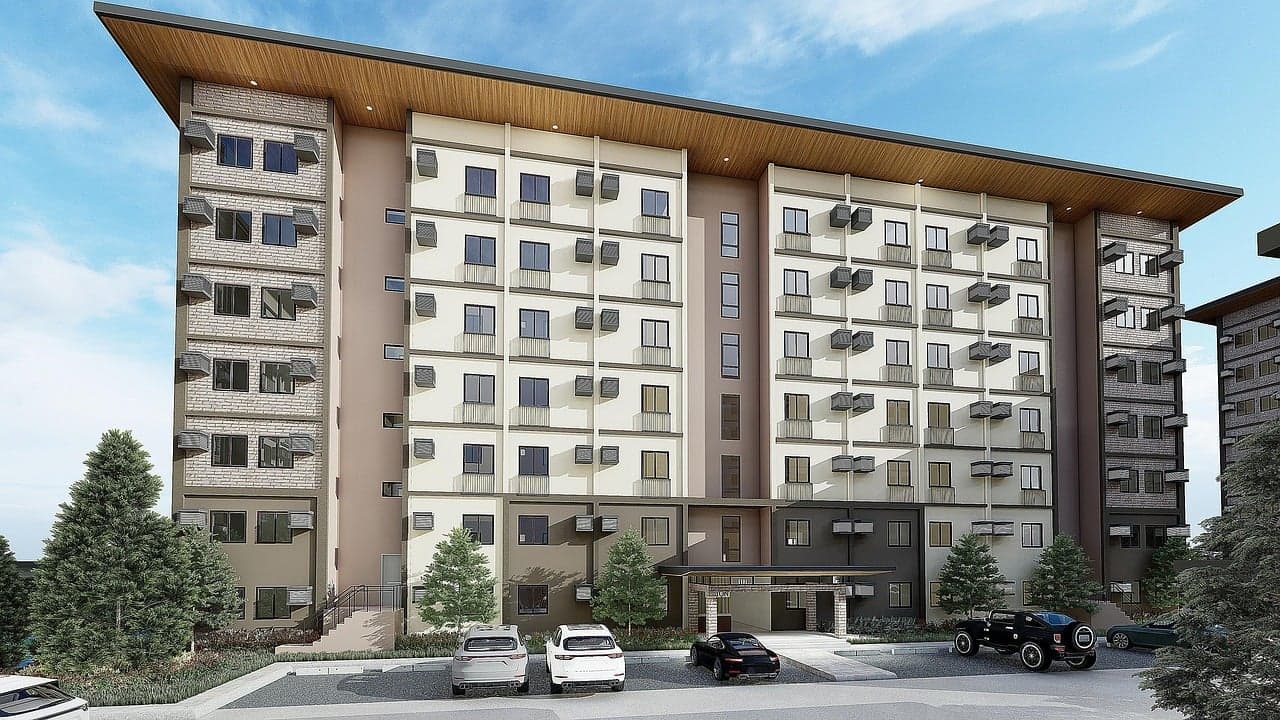
A rent deposit is the security a tenant gives the landlord against the tenant's obligations under the rental contract; in the Turkish Code of Obligations (Türk Borçlar Kanunu) it is covered under the heading "security given by the tenant" (kiracının güvence vermesi). In leases of homes and roofed business premises, this security cannot exceed three months' rent, and if it is given as money, the law says it must be held in a time deposit account at a bank. The surest way to get your deposit back is to record the condition of the home in writing when you hand it over, and to make the payment with a paper trail from the start.
What does the law say about deposits?
Article 342 of the Turkish Code of Obligations sets out the following framework for leases of homes and roofed business premises:
- If the contract obliges the tenant to provide security, this security cannot be more than three months' rent.
- If the security is money, the tenant deposits it in a time savings account in a way that it cannot be withdrawn without the landlord's consent. If the security is in the form of negotiable instruments (kıymetli evrak), it is deposited with a bank.
- The bank can return the security only with the joint consent of both parties, on the basis of a finalised enforcement proceeding, or on the basis of a final court decision.
- If, within three months after the rental contract ends, the landlord does not notify the bank in writing that they have taken legal action or started enforcement proceedings against the tenant in connection with the contract, the bank is obliged to return the security at the tenant's request.
In practice, the deposit is often paid directly to the landlord. In that case, getting it back depends largely on the two parties' agreement and the documents you hold. So paying by bank transfer rather than in cash, and writing "deposit" (depozito) in the description, will make things easier for you later.
Can the landlord make deductions from the deposit?
Because the deposit is a security, it comes into play if there is an unpaid debt arising from the contract (for example, unpaid rent) or damage arising from use contrary to the contract. However, the law also protects the tenant in respect of normal use:
- Under Article 334 of the law, the tenant is not responsible for wear and tear caused by use in line with the contract. Wall paint fading over time or normal signs of use on the floor are of this kind.
- Under the same article, agreements in which the tenant promises in advance to pay additional compensation when the contract ends, other than to make good damage arising from use contrary to the contract, are invalid.
- Under Article 335 of the law, when taking the home back, the landlord must check its condition and immediately notify the tenant in writing of any defects for which the tenant is responsible. If this notice is not given, the tenant is released from responsibility, except for hidden defects that could not be noticed through a normal inspection.
Whether a particular deduction is justified depends on the circumstances of each case; if you are not sure, consult a lawyer.
What should you do to get your deposit back?
- Have the amount of the deposit, how it was paid and the conditions for its return written into the contract.
- Pay through a bank and keep the receipt; you can suggest to the landlord that you use the time deposit account method set out in the law.
- When you move out, take dated photos and a video of every room in the home; ideally, you will have done the same when you moved in.
- Pay the final bills for usage costs such as electricity, water, natural gas and the building service charge (aidat), close the subscriptions and keep the documents.
- When you hand over the keys, go round the home with the landlord and prepare a handover report describing its condition, signed by both parties.
- Ask in writing (by email or message) for the deposit to be returned, stating the amount and a deadline.
- If a deduction is to be made, ask in writing for the reason and supporting documents.
What legal route is there if you cannot agree?
If the landlord does not return the deposit, a good start is to send a written reminder, ask for the reason for any deduction and gather your documents. Under the Law on Mediation in Civil Disputes No. 6325 (6325 sayılı Hukuk Uyuşmazlıklarında Arabuluculuk Kanunu), in disputes arising from a rental relationship, you must apply to a mediator before going to court. If an agreement is reached in mediation, the document drawn up can be made binding; if not, the other legal routes open up. To assess which route suits you, consult a lawyer or the mediation office at the courthouse.
This guide gives general information and is not a substitute for legal advice.
For other guides on renting and home topics, see the Home and Renting section or the Guides page.
Frequently asked questions
What is the most a landlord can ask for as a deposit?
Under Article 342 of the Turkish Code of Obligations, in leases of homes and roofed business premises, the security cannot exceed three months' rent.
Can the deposit be handed to the landlord in cash?
Under the law, security given as money is paid into a time savings account that cannot be withdrawn without the landlord's consent. Although paying in cash or by transfer is common in practice, paying through a bank and keeping the receipt makes the refund easier.
Can the landlord deduct the cost of painting from the deposit?
Under the law, the tenant is not responsible for wear caused by use in line with the contract. If there is damage arising from use contrary to the contract, the situation may be different; you should consult a lawyer about your particular case.
When do you get back a deposit held at a bank?
The bank can return the security with the consent of both parties. Also, if within three months after the contract ends the landlord does not notify the bank in writing that they have taken legal action or started enforcement proceedings, the bank returns the security at the tenant's request.
What should I watch out for when handing over the home?
Take dated photos of the home, pay the final bills for usage costs and prepare a handover report signed together with the landlord. The landlord must notify any defects in writing at the time of handover.
What can I do if the landlord does not return my deposit?
First ask in writing for the refund and, if there is a deduction, ask for the reason. In rental disputes, you must apply to a mediator before going to court; you can consult a lawyer about the right route.
Editorial desk
Stories signed by the Cultvia editorial desk follow our editorial policy; every story lists its sources at the end and errors are fixed under our corrections policy.
Last updated:
What changed?
- : First published
Your follow list is kept only on this device; when the page is updated you'll see it in Following.
Get email updates
Sources
- 6098 sayılı Türk Borçlar Kanunu (Resmî Gazete yayımı) — Resmî Gazete
- 6325 sayılı Hukuk Uyuşmazlıklarında Arabuluculuk Kanunu — Mevzuat Bilgi Sistemi
Up next
 Home & RentingHow do you register or renew an Ejari tenancy contract in Dubai?2 November 2026 · 2 min read