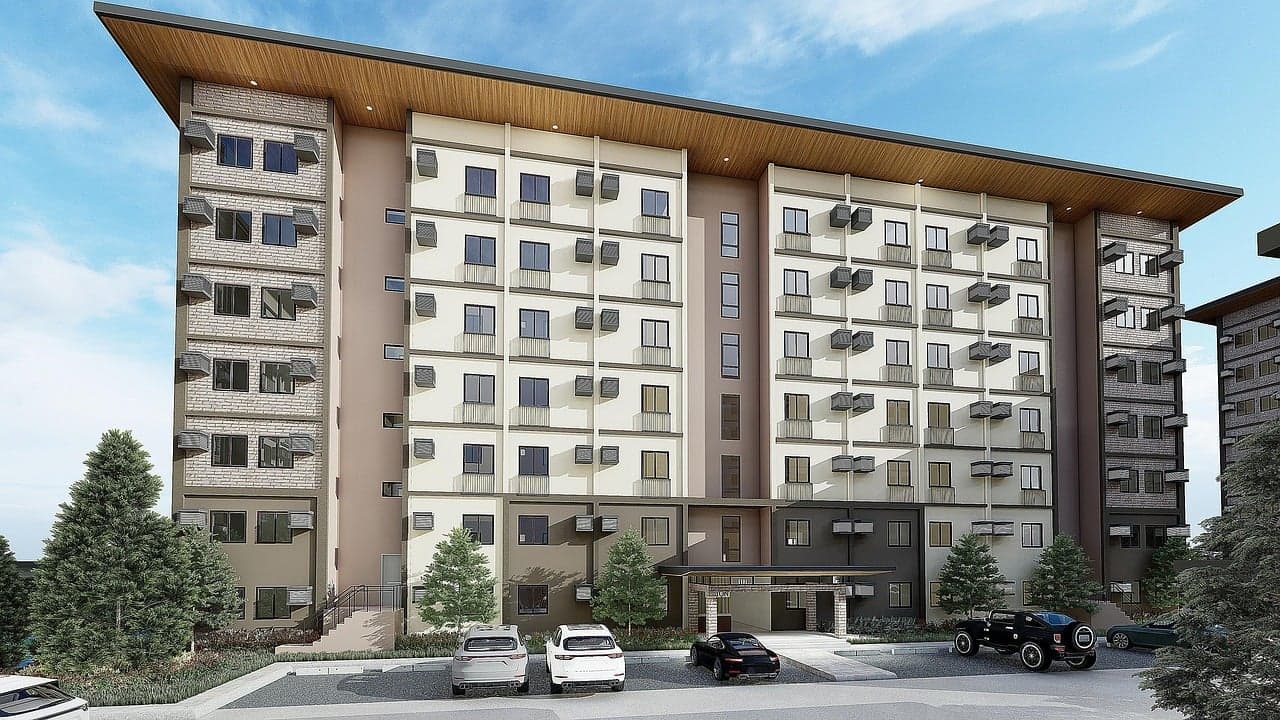
When you make a rental contract in Türkiye, you should verify the identity of the parties and that the landlord really is the owner, and put the rent, the term, the deposit, the service charges and the condition of the home at handover clearly in writing. The Turkish Code of Obligations (Türk Borçlar Kanunu) contains many rules that protect tenants in residential leases, and some of these rules cannot be changed to the tenant's disadvantage by the contract. The checklist below sets out, in order, what you need to review before you sign.
Who and what should you verify before signing?
- The landlord's identity and ownership: Make sure the person signing the contract is the owner of the home or an authorised representative. The landlord can show you the properties registered in their name using the "Tapu Bilgileri Sorgulama" (Title Deed Information Enquiry) service on the e-Devlet (e-Government) gateway.
- Power of attorney: If someone else is signing the contract, see the power of attorney that includes the authority to make a rental contract.
- Description of the property: The full address, floor, flat number and any extras such as a parking space or storage room should be written in the contract.
- Inventory of fixtures: Items left with the home (white goods, wardrobes, air conditioning, etc.) should be listed separately, together with their condition.
Which clauses must the contract include?
- Term: Under the law, a rental contract can be for a fixed or an indefinite term. Write the start date and the term clearly.
- Rent and payment: State the amount, the payment day and the payment method. Unless otherwise agreed, the law says rent is paid at the end of each month. Paying through a bank is the easiest way to document your payment history.
- Rent increase: Under the law, the increase applied in renewed rental periods cannot exceed the rate of change in the twelve-month average of the consumer price index over the previous rental year. Check the current rate in official announcements.
- Deposit: Under the law, the security deposit in residential leases cannot exceed three months' rent. Write the amount, how it is paid and the conditions for its return.
- Service charges: State who pays costs such as the building service charge (aidat), heating, water and electricity. Unless the contract says otherwise or local custom differs, usage costs are the tenant's.
- Alterations and subletting: Under the law, the tenant can make alterations to the home with the landlord's written consent; in residential leases, the tenant cannot let the home to someone else without written consent. Put your agreement on these matters in writing.
Which clauses are invalid?
Some terms are invalid by law even if they are written into the contract. Knowing them makes it easier for you to negotiate before you sign:
- No payment obligation other than the rent and service charges can be placed on the tenant. In particular, agreements that a penalty will be paid if the rent is paid late, or that the following rents will become due immediately, are invalid.
- It is invalid for the tenant to promise in advance to pay compensation when the contract ends, other than for damage arising from use contrary to the contract.
- If making or continuing the lease is tied to an obligation that does not benefit the tenant and is not directly related to the use of the home, that linked contract is invalid.
- Apart from setting the rent, no changes can be made to the tenant's disadvantage.
What should you record when you take over the home?
Under the law, the landlord must hand over the home in a condition fit for the use intended in the contract and keep it in that condition throughout the contract. The tenant, in turn, returns the home at the end of the contract in the condition in which they received it; they are not responsible for wear and tear from normal use.
- On handover day, take dated photos and a video of every room.
- Write existing defects (cracks, damp, faulty plumbing or wiring) in a handover report and have both parties sign it.
- Note the meter numbers and readings.
- Add the number of keys to the report.
How does the contract end?
In residential leases, if the tenant does not give notice at least fifteen days before the end of a fixed-term contract, the contract is deemed extended for one year on the same terms. The landlord, on the other hand, cannot end the contract simply on the grounds that the term has expired. For a termination notice to be valid, it must be made in writing. In a home rented as the family home, the tenant cannot terminate the contract without their spouse's explicit consent.
After you move, do not forget to register your new address with the civil registry and to ask the landlord whether compulsory earthquake insurance has been taken out. If you are not sure whether a clause in the contract is valid, consult a lawyer before you sign. For other guides on renting and home topics, take a look at the Home and Renting section.
Frequently asked questions
Does a rental contract have to be in writing?
The law does not require a rental contract to take any particular form, but a written contract makes it easier to prove rights and obligations. In residential leases, however, a termination notice must be given in writing.
How do I know the landlord really is the owner?
You can ask the landlord to show you the title deed details; they can view the properties registered in their name with the Title Deed Information Enquiry service on e-Devlet. If someone else is signing the contract, see the power of attorney that authorises them.
Can a late payment penalty be written into a rental contract?
Under the Turkish Code of Obligations, agreements that a penalty will be paid if the rent is not paid on time are invalid. No other payment obligation beyond rent and service charges can be placed on the tenant either.
How should the rent increase be set in the contract?
The increase rate is valid provided it does not exceed the rate of change in the twelve-month averages of the consumer price index over the previous rental year. Check the current rate in official announcements.
Who pays the service charge and the bills?
Unless the contract says otherwise or local custom differs, usage costs such as heating, lighting and water are the tenant's. It is best to state clearly in the contract who pays the building service charge (aidat).
Can the landlord make me leave when the contract term ends?
In residential leases, the landlord cannot end the contract simply on the grounds that the term has expired. If the tenant does not give notice at least fifteen days before the term ends, the contract is deemed extended for one year.
Editorial desk
Stories signed by the Cultvia editorial desk follow our editorial policy; every story lists its sources at the end and errors are fixed under our corrections policy.
Last updated:
What changed?
- : First published
Your follow list is kept only on this device; when the page is updated you'll see it in Following.
Get email updates
Sources
- 6098 sayılı Türk Borçlar Kanunu (güncel metin) — Mevzuat Bilgi Sistemi
- Tapu Bilgileri Sorgulama — e-Devlet Kapısı / Tapu ve Kadastro Genel Müdürlüğü
Up next
 Home & RentingHow do you register or renew an Ejari tenancy contract in Dubai?2 November 2026 · 2 min read