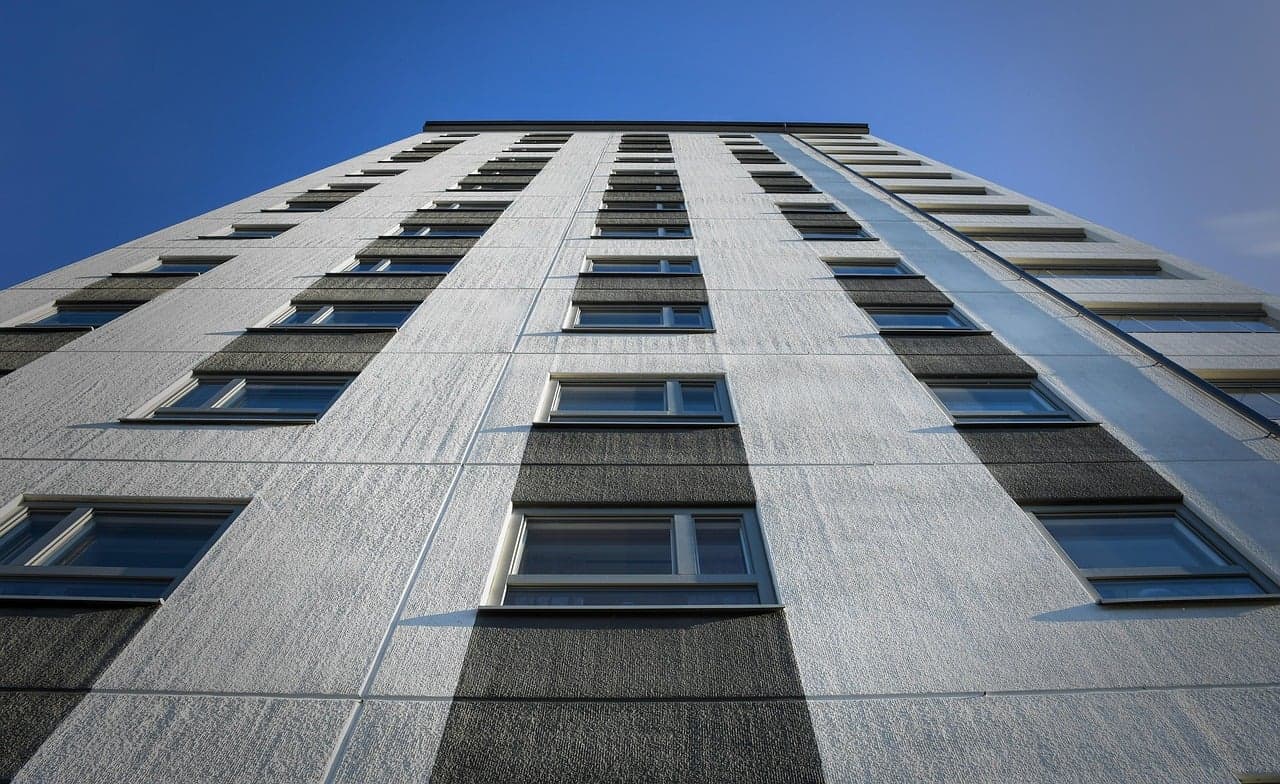
DASK, or Compulsory Earthquake Insurance (Zorunlu Deprem Sigortası, ZDS), is a compulsory insurance in Türkiye that covers homes within municipal boundaries, up to the policy limits, against material damage caused directly by an earthquake and by the fire, explosion, tsunami and landslide that result from it. Under the Disaster Insurance Law No. 6305 (6305 sayılı Afet Sigortaları Kanunu), the owner of the home or the holder of a right of usufruct takes out this insurance and renews it every year. You can take out the policy through authorised insurance companies, agencies or bank branches.
What does compulsory earthquake insurance cover, and what does it not cover?
According to the Natural Disaster Insurance Institution (DASK), the cover relates to the building itself. Earthquake damage to parts such as the foundations, main walls, shared walls separating independent units, ceilings and floors, stairs, lifts, corridors, roofs and chimneys is covered. The shared areas of apartment buildings are also included in this cover.
The following are not covered:
- Household contents and all kinds of movable property
- Bodily injury and death
- Costs of alternative accommodation or business premises, and other indirect losses
- Damage other than from an earthquake and the fire, explosion, tsunami or landslide caused by it
- Damage that builds up over time because of the building's own faulty construction
For household contents, or for building value above the cover limit, you can take out optional home insurance from insurance companies; according to DASK, compulsory earthquake insurance must be in place first.
Which buildings need compulsory earthquake insurance?
Buildings built as homes on privately owned property registered with the land registry, independent units under the Condominium Law (Kat Mülkiyeti Kanunu), and independent units such as shops and offices inside these buildings are covered. A policy can also be taken out for buildings with construction servitude (kat irtifakı) and for cooperative homes whose title deeds have not yet been distributed.
Public buildings, buildings in village settlement areas, buildings used entirely for commercial or industrial purposes, unfinished buildings and unlicensed structures are not covered. A separate policy is issued for each independent unit; if you have more than one flat in the same building, each one needs its own policy.
How do you take out DASK insurance?
- Apply to an authorised insurance company, agency or bank branch. The current list of authorised companies is on DASK's website.
- Give your own details: full name, address, mobile phone number and Turkish ID number (T.C. kimlik numarası) (tax ID number for legal entities).
- Give the building's details: full address or address code, title deed details, year of construction, construction type, total number of floors and damage status.
- State the flat's gross floor area and how it is used (home or business).
- Pay the premium and get your policy. You can check that the policy is valid on DASK's website.
The insurance is based entirely on what you declare; according to DASK, any losses arising from an incorrect declaration are the insured person's responsibility. So check the information against your title deed and building documents before you give it.
How is the premium set?
According to DASK, the annual premium is calculated based on construction type, gross floor area, year of construction, number of floors and the risk group of the neighbourhood where the building stands. People who renew their policy every year get a renewal discount; according to DASK's frequently asked questions page, discounted renewal can be done up to thirty days after the policy expires. Check the current premium tariff on DASK's own page.
What matters for tenants and home buyers?
- If you are a tenant: You cannot take out the policy in your own name, but you can take it out on behalf of the owner as the "policyholder" (sigorta ettiren). In every case, compensation is paid to the person shown as the right holder on the title deed.
- If you are buying a home: According to DASK, for sales recorded at the land registry on or after 5 September 2026, the seller's policy ends on the day of the title deed transaction. So the buyer must have taken out a policy in their own name before the title deed transaction; the land registry office or notary checks this. The seller can apply for a refund of the premium for the unused days of the policy that ended.
- Utility connections and title deeds: Under the law, a valid compulsory earthquake insurance policy is required for title deed transactions and for water and electricity subscriptions.
How do you file a damage claim after an earthquake?
According to DASK, if your home is damaged in an earthquake, you call the ALO DASK 125 call centre. Your policy number or ID number, the full address of the damaged home and your phone number are enough to open a claim. A loss adjuster then visits the home, and compensation is paid to the right holder on the title deed. For other guides on disaster preparedness, see the Guides page, and for guides on home topics, see the Home and Renting section.
Frequently asked questions
Is DASK insurance compulsory?
Yes. Under the Disaster Insurance Law No. 6305, the owner or the holder of a right of usufruct takes out compulsory earthquake insurance for the buildings and independent units in scope and renews it every year.
Does DASK cover household contents?
No. Compulsory earthquake insurance covers only material damage to the building. For household contents, you can take out optional home insurance from insurance companies.
Can a tenant take out DASK insurance?
A tenant cannot take out the policy in their own name, but can take it out on behalf of the owner as the policyholder. In every case, compensation is paid to the right holder on the title deed.
What details do you need to take out DASK insurance?
You need your full name, address, phone number and ID number, plus the building's full address or address code, title deed details, year of construction, construction type, number of floors, damage status and the flat's gross floor area.
How can you tell whether a DASK policy is valid?
You can check the policy's validity on DASK's website. To find out about the policy for a flat you are going to buy, you can also call the ALO DASK call centre.
What is the DASK premium based on?
The annual premium is calculated based on construction type, gross floor area, year of construction, number of floors and the risk group of the neighbourhood. Check the current tariff on DASK's page.
Editorial desk
Stories signed by the Cultvia editorial desk follow our editorial policy; every story lists its sources at the end and errors are fixed under our corrections policy.
Last updated:
What changed?
- : First published
Your follow list is kept only on this device; when the page is updated you'll see it in Following.
Get email updates
Sources
- Sıkça Sorulan Sorular — Doğal Afet Sigortaları Kurumu (DASK)
- 9 Adımda ZDS — Doğal Afet Sigortaları Kurumu (DASK)
- 6305 sayılı Afet Sigortaları Kanunu — Mevzuat Bilgi Sistemi
Up next
 Home & RentingHow do you register or renew an Ejari tenancy contract in Dubai?2 November 2026 · 2 min read